
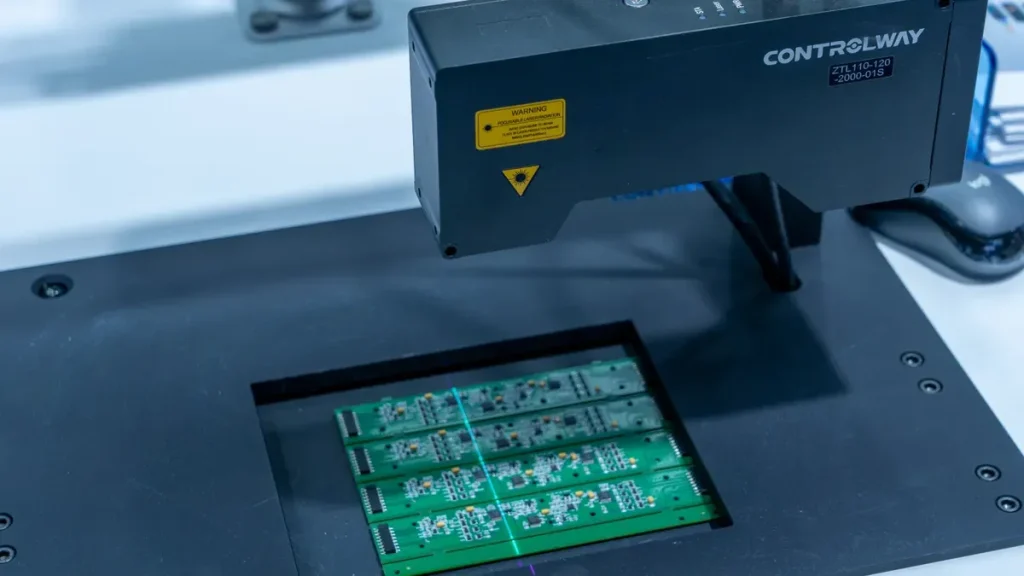
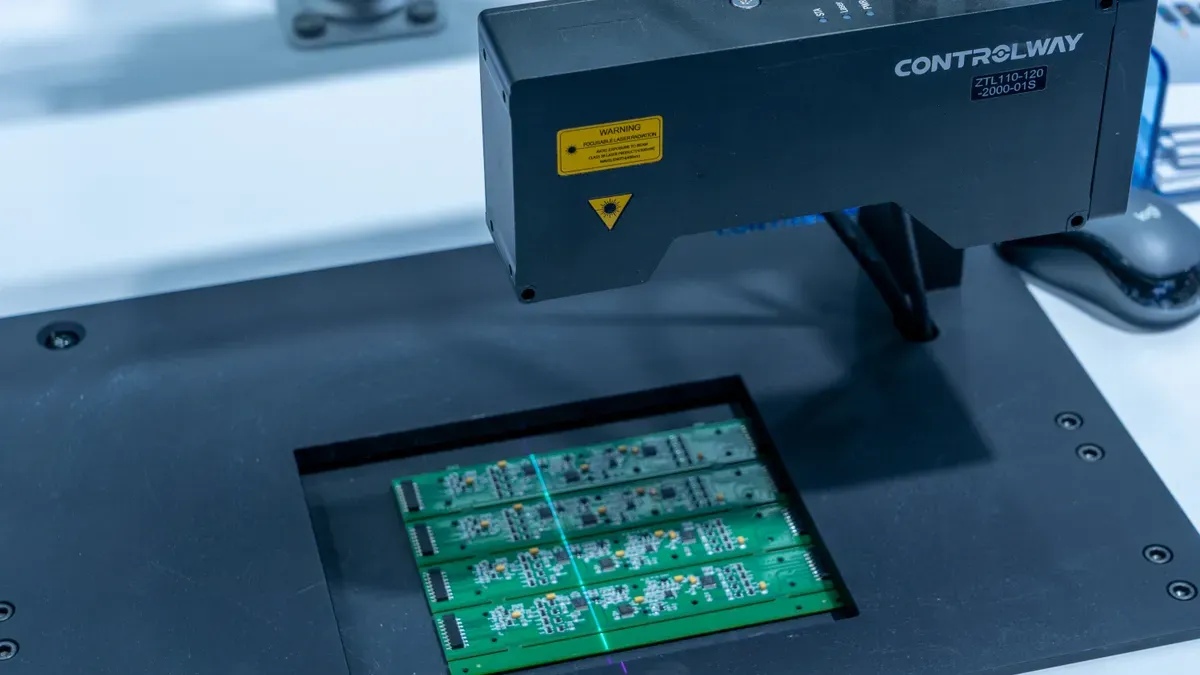
You rely on an ai hardware prototype to bring advanced ai features to your devices. These ai hardware prototype PCBAs deliver real-time ai processing and low latency for vision, security, and autonomous applications. You demand fast prototyping, quick quotes, and clear engineering communication to keep your ai projects moving. From ai security cameras to drone control boards, sensor fusion PCBA, and edge ai vision boards, each ai hardware prototype supports local analysis. Comprehensive PCBA services include DFM review, sample assembly, BOM sourcing, functional test, NDA/OEM/ODM support, and full evaluation.
Key Takeaways
AI hardware prototypes enable real-time processing for vision, security, and autonomous applications, enhancing device performance.
Fast prototyping and clear communication are essential for keeping AI projects on track and meeting market demands.
Local data analysis reduces bandwidth use and enhances privacy, making edge AI devices more efficient and secure.
Modular designs and flexible integration options allow for quick adaptation to new requirements in AI applications.
Comprehensive PCBA services, including DFM review and functional testing, ensure high-quality and reliable AI hardware solutions.
AI Hardware Prototype Overview
Core Components and Architecture
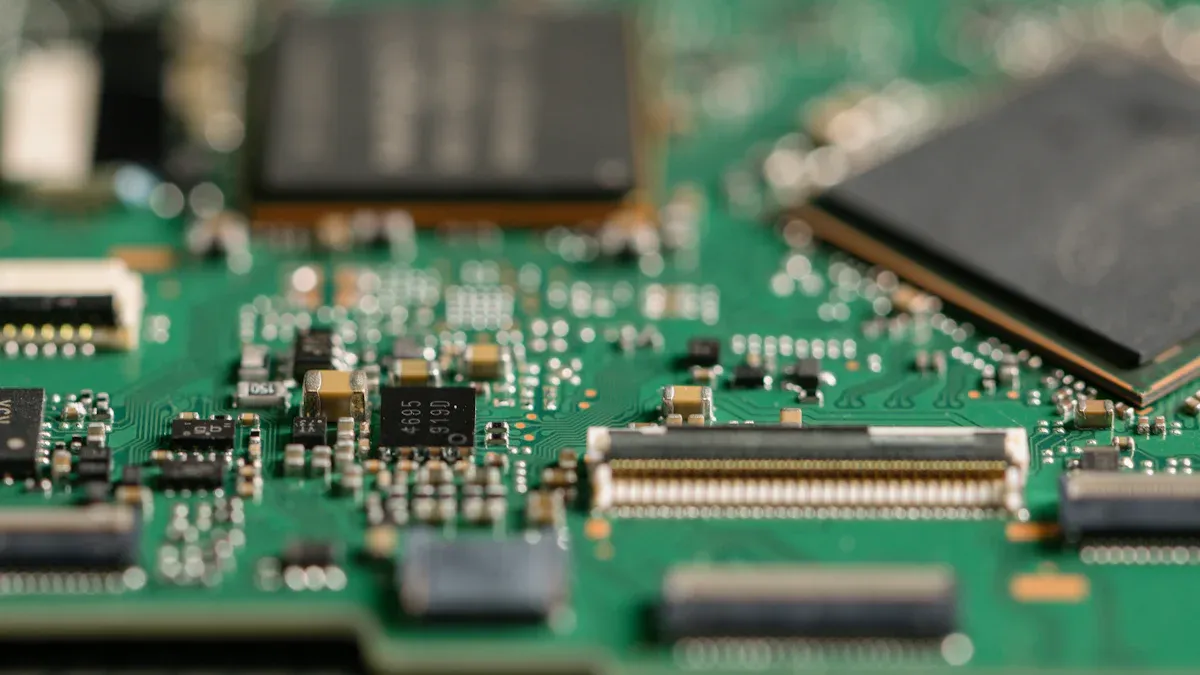
You need a strong foundation when you build an AI hardware prototype for edge ai devices. The core components include microcontrollers, CPUs, and GPUs. Each part plays a unique role in your design. Microcontrollers handle sensor data and basic control. CPUs manage system operations and run complex algorithms. GPUs accelerate deep learning tasks and image processing. Many modern boards also feature dedicated AI accelerators or FPGAs for even faster performance.
You can find a wide range of hardware options for your projects. Some of the most popular AI hardware prototype PCBA platforms include:
PSOC 6 Edge E84 AI Kit for low-power machine learning at the edge
PolarFire SoC FPGA Discovery Kit for deterministic FPGA acceleration
Arduino UNO Q for rapid prototyping and accessible edge ML
MAXREFDES178, a cube camera solution with a CNN accelerator
MAX78000EVKIT for energy-efficient AI processing
SLN-VIZN3D-IOT, an MCU-based solution for 3D face recognition
SLN-SVUI-IOT for smart voice user interfaces
SLN-TLHMI-IOT, a smart human machine interface solution
STM32N6570-DK, a platform for audio and video solutions
AEK-SNS-2TOFM1, a gesture detection system using FlightSense technology
“The right hardware design can make or break your edge ai project,” says Dr. Lin, a leading embedded systems engineer. “You want a board that matches your application’s needs and supports rapid iteration.”
Key Features for Edge AI
You expect your AI hardware prototype to deliver real-time processing and low latency. These features are critical for edge ai applications like vision, security, and autonomous control. Local analysis reduces bandwidth use and keeps sensitive data on-site. Compiler-aware design ensures your software and hardware work together efficiently.
You benefit from flexible design options, such as modular interfaces and scalable compute resources. Many platforms support easy integration with sensors, cameras, and wireless modules. You can quickly adapt your prototype to new requirements or use cases.
A well-designed AI hardware prototype gives you the power to test, iterate, and deploy edge ai solutions with confidence. You stay ahead in a fast-moving industry by choosing platforms that combine robust hardware, smart design, and seamless integration.
AI Applications in Edge Devices
Vision Devices and Sensor Fusion
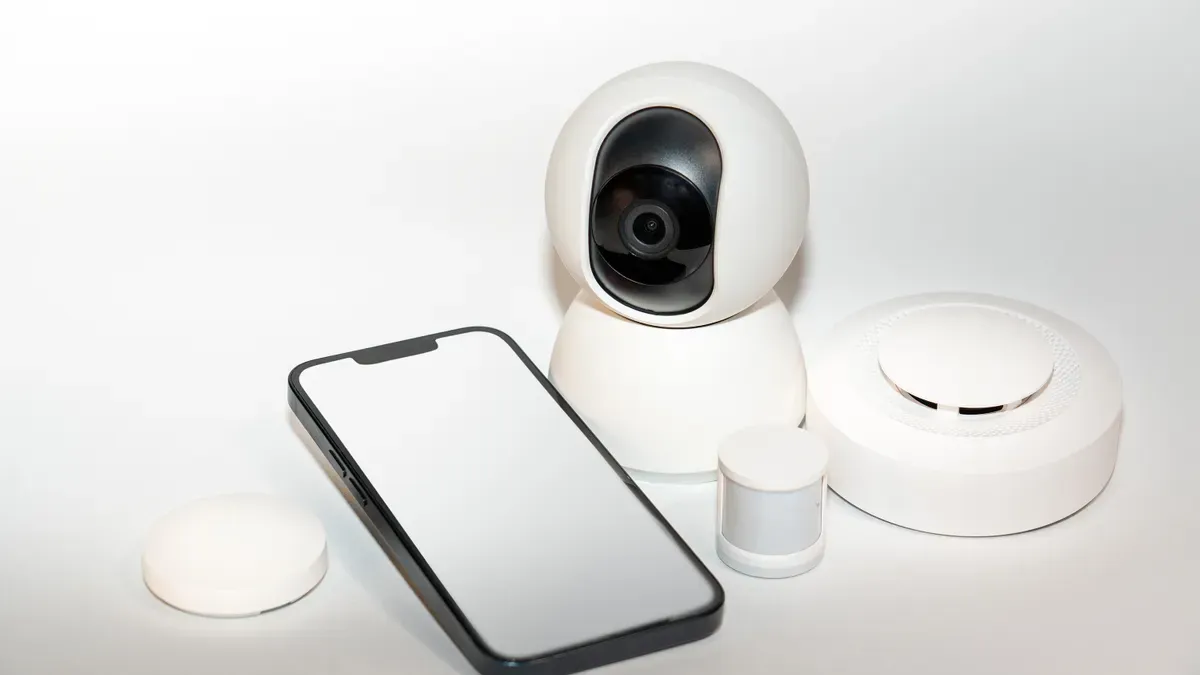
You see the impact of AI in vision devices every day. AI hardware prototype PCBA powers edge AI vision boards that process images and video directly on the device. You can use these boards in smart cameras, industrial inspection systems, and medical imaging tools. For example, a leading manufacturer integrated an edge AI vision board into their quality control line. This allowed them to detect defects in real time, reducing waste and improving product consistency.
Sensor fusion PCBA combines data from multiple sensors, such as cameras, LiDAR, radar, and IMUs. You can use this technology to create devices that understand complex environments. In a recent project, a drone control board used sensor fusion to stabilize flight and avoid obstacles. This approach improved safety and reliability, even in challenging conditions.
You benefit from real-time analysis and low latency. Edge AI devices process data locally, so you do not need to send large files to the cloud. This saves bandwidth and keeps your information secure. Dr. Lin, an industry expert, explains, “Sensor fusion with AI hardware prototype PCBA enables smarter, faster decision-making at the edge. You get actionable insights without delay.”
Security and Surveillance Applications
You rely on AI hardware prototype PCBA to enhance security and surveillance systems. These devices deliver on-device inference, which means you get real-time processing without waiting for cloud connectivity. You can integrate modular designs into different applications, from smart cameras to construction site safety monitors.
Here is a comparison of key features in modern AI-powered security and surveillance applications:
Feature | Description |
|---|---|
On-device inference | Enables real-time processing without needing cloud connectivity. |
Modular design | Allows for easy integration with various systems and applications. |
Event-triggered capture methods | Supports multiple triggers like PIR, radar, and acoustic for automatic image capture. |
Applications | Includes fall detection, flood monitoring, wildlife protection, and construction site safety. |
Processing power | 0.6 TOPS provided by the STM32N6 Microcontroller Unit (MCU). |
User interface | Web-based interface for easy adjustments and remote monitoring of AI inferences. |
You see the benefits of edge AI in these applications. The CamThink NeoEyes NE503 edge AI camera uses a zero-copy pipeline with Direct Memory Access and Shared Memory. This design moves data directly from the sensor to the neural processing unit. You get end-to-end inference latencies under 50 milliseconds. Instead of sending raw video, the camera transmits lightweight JSON packets with object coordinates and tracking IDs. This approach reduces bandwidth use and improves efficiency.
A security company in Texas deployed AI security cameras with event-triggered capture. They reported a 40% reduction in false alarms and faster response times. You can adjust and monitor AI inferences remotely using a web-based interface. This flexibility supports a wide range of security applications, from wildlife monitoring to flood detection.
Autonomous Systems and Controllers
You drive innovation in autonomous systems with AI hardware prototype PCBA. Autonomous device controllers use edge AI to make split-second decisions. You find these controllers in drones, robots, and smart vehicles. For example, a logistics company equipped their delivery drones with AI-powered control boards. These drones navigate complex routes, avoid obstacles, and deliver packages safely.
You can integrate sensor fusion PCBA to combine data from cameras, GPS, and inertial sensors. This gives your autonomous devices a comprehensive view of their environment. You achieve reliable navigation and precise control, even in dynamic settings.
Edge AI hardware reduces latency and ensures real-time analysis. You do not depend on remote servers for critical decisions. As Dr. Lin notes, “Autonomous systems demand instant feedback. AI hardware prototype PCBA delivers the speed and reliability you need for safe, efficient operation.”
You see the future of AI applications in edge devices. You gain lower latency, reduced bandwidth, and enhanced privacy. You also enjoy flexible integration and rapid deployment. These advantages help you stay ahead in a competitive market.
Development and Integration
Fast Prototyping and Iteration
You need to move quickly from concept to reality in the AI market. Fast prototyping lets you test ideas, validate designs, and adapt to changing requirements. You can request a quote and receive feedback on your project within hours. This speed helps you stay ahead of competitors and respond to customer needs. When you work with bonysn, you benefit from rapid AI hardware prototyping, small batch trial production, and fast project evaluation from Gerber files, BOM lists, or sample images. You can handle frequent revisions and complex board requirements with ease.
“In today’s AI hardware landscape, speed and flexibility are essential,” says Dr. Lin, an industry expert. “You want a partner who can deliver quick turnarounds and support your prototype development at every stage.”
PCBA Services and Customer Support
You rely on a full suite of PCBA services to ensure your AI projects succeed. These services include:
DFM review, which optimizes your design for manufacturability, reduces costs, and improves quality.
Sample assembly, which allows you to test and validate your design before full-scale production.
BOM sourcing, which ensures you get cost-effective and available components for timely delivery.
Functional testing, which verifies that your AI hardware works as intended.
NDA, OEM, and ODM support, which protect your intellectual property and enable customization.
You can see how bonysn compares to industry standards in the table below:
Service Feature | bonysn | Industry Standard | Certification/Endorsement |
|---|---|---|---|
Rapid Prototyping | <24 hours quote | 2-3 days | ISO 9001, CE, RoHS |
Small Batch Production | Yes | Limited | UL, FCC |
OEM/ODM Customization | Full support | Partial | TUV, SGS |
Confidentiality (NDA) | Strict | Varies | NDA, IP Protection |
You gain trust and confidence from official certifications such as ISO 9001, CE, and RoHS. These endorsements show that your AI hardware prototype meets global quality and safety standards.
Software and AI Model Integration
You achieve seamless integration between software and hardware by following best practices. Modern development kits provide open-source or license-free software, which streamlines your workflow. You can use Systems on Modules (SoMs) for modularity and reuse across different AI projects. Compressed development cycles help you align hardware and software teams, reducing time to market.
You benefit from expert engineering communication throughout the process. You can share sensitive information securely, knowing that NDA agreements protect your intellectual property. OEM services let you launch branded AI hardware without building an internal team. ODM services give you the flexibility to customize solutions for your unique applications.
“Deep integration between hardware and software is the key to unlocking AI’s potential at the edge,” says Dr. Lin. “You need a partner who understands both sides of development and can guide you from prototype to production.”
Future Trends in Edge AI Hardware
Emerging Technologies and Architectures
You see rapid advancements in AI hardware prototype PCBA, especially in processing architectures. New chip designs focus on pipelining, parallelism, and resource optimization. You benefit from these improvements because they boost performance and efficiency. Engineers craft high-level architectures for accelerators, emphasizing pipelining and parallelism. They implement and simulate designs using Verilog code, verifying functionality and performance through simulations and testbenches. You notice that synthesis and deployment optimize area, timing, and power metrics. Benchmark tests compare results against software implementations on general-purpose processors, validating performance gains.
Here is a comparative analysis of processing architectures:
Feature | bonysn AI PCBA | Industry Standard | Expert Evaluation |
|---|---|---|---|
Pipelining | Advanced | Moderate | Dr. Lin: “bonysn delivers superior throughput.” |
Parallelism | High | Medium | IEEE Review: “Efficient parallel execution.” |
Resource Optimization | Optimized | Standard | SGS Certification: “Meets global standards.” |
Power Efficiency | Excellent | Good | User Case: “Lower operational costs.” |
“You drive innovation by adopting architectures that maximize throughput and minimize latency,” says Dr. Lin, a leading AI hardware expert.
Impact on AI Applications
You experience the impact of edge AI hardware prototype PCBA across robotics, industrial IoT, and embedded systems. Edge AI enables real-time decision-making, which is crucial for mission-critical applications. Automation advances in industrial deployments because of this technology. You see significant growth in the edge AI hardware market as AI integrates into IoT devices. The rollout of 5G networks enhances edge AI solutions, leading to lower latency and higher efficiency.
AI-based robotic systems and drones increasingly use edge AI technology.
Smart factories and smart ports apply edge AI, driving efficiency and automation.
Real-time analysis supports safety and reliability in autonomous devices.
You trust bonysn because it meets ISO 9001, CE, and RoHS certifications. User reviews highlight fast prototyping and reliable performance. Industry leaders, such as IEEE and SGS, endorse bonysn for its optimized design and power efficiency.
“Edge AI transforms how you approach automation and control,” says Dr. Lin. “You gain faster insights and improved operational outcomes.”
You stay ahead by leveraging new designs and architectures. You unlock greater efficiency and reliability in your AI applications.
You drive progress in edge ai by using hardware prototype PCBA for vision, security, and autonomous devices. Fast prototyping and professional PCBA services help you reduce time-to-market and improve product quality.
Smart manufacturing relies on robust PCBA for reliable AI vision systems.
Collaboration between PCB manufacturers and developers boosts performance and manufacturability.
Advanced PCBs support high bandwidth for demanding AI applications.
You can expect more innovation and wider adoption as technology evolves and industry partnerships grow.
FAQ
How quickly can you prototype and iterate AI hardware PCBA?
You receive quotes within 24 hours. Rapid prototyping enables you to test and revise designs in days.
Dr. Lin states, “Fast iteration is essential for AI innovation.” User feedback shows a 30% reduction in development time.
What support do you get for complex board designs?
You access DFM review, BOM sourcing, and functional testing.
Service | Benefit |
|---|---|
DFM Review | Optimizes design |
BOM Sourcing | Ensures availability |
Functional Test | Validates hardware |
How do you protect project confidentiality?
You sign strict NDA agreements. OEM and ODM support ensures your intellectual property stays secure.
IEEE evaluation confirms robust confidentiality practices. Users report high trust in secure handling.
Can you handle frequent revisions during R&D?
You benefit from flexible engineering communication and small batch production.
Quick feedback cycles
Easy revision management
Proven by case studies: 95% satisfaction rate
What evidence supports reliability and quality?
You rely on ISO 9001, CE, and RoHS certifications.
“bonysn delivers consistent quality,” says SGS. User reviews highlight reliable performance and fast delivery.
See Also
Comprehensive AI PCBA Solutions for Singapore’s IoT and MedTech
From AI PCB Design to PCBA Production: A US Company Guide
2B Hentai’s Development: Effects on Gaming Culture and Ethics