
AI revolutionizes the PCBA processes in the Czech industrial electronics sector. You experience enhanced efficiency through automation and smarter workflows. Quality control improves with AI’s ability to detect defects early, ensuring your products meet high standards. Customization becomes seamless, allowing you to tailor solutions that fit your unique needs. Embracing AI electronics PCBA not only streamlines your operations but also positions your business at the forefront of innovation.
Key Takeaways
AI enhances efficiency in PCB assembly by automating repetitive tasks, allowing for faster production and reduced human error.
Quality control improves significantly with AI, as it detects defects in real-time, ensuring products meet high standards consistently.
Customization of PCBA solutions becomes easier with AI, enabling businesses to tailor designs to their specific needs and reduce costs.
Successful AI implementation relies on trained personnel and high-quality data, emphasizing the importance of human factors in technology adoption.
Emerging AI technologies, like visual inspection systems, promise to revolutionize defect detection and operational efficiency in the industry.
Benefits of AI Electronics PCBA
Enhanced Efficiency
AI electronics PCBA significantly boosts efficiency in the assembly process. By automating repetitive tasks, you reduce the time required for production. AI algorithms optimize workflows, ensuring that each step in the assembly line operates smoothly. This automation minimizes human error and accelerates production rates, allowing you to meet tight deadlines without compromising quality.
Moreover, AI systems adapt to production variations in real-time. They analyze data from previous runs and adjust parameters accordingly. This adaptability leads to fewer disruptions and maximizes output. As a result, you can focus on innovation and product development rather than getting bogged down by operational inefficiencies.
Improved Quality Control
Quality control is paramount in the electronics industry, and AI excels in this area. AI-based inspection systems outperform traditional methods by adapting to production variations and identifying defects that human inspectors might overlook. These systems minimize manual intervention, enhancing both efficiency and product quality. Unlike human inspectors, AI systems do not suffer from fatigue, ensuring consistent precision throughout production runs.
With AI electronics PCBA, you gain access to advanced inspection tools that provide real-time feedback. These tools analyze components and assemblies at a granular level, detecting even the slightest deviations from specifications. This proactive approach to quality control not only reduces the likelihood of defects reaching the market but also fosters customer trust in your products.
Applications of AI in PCB Assembly
Intelligent Routing
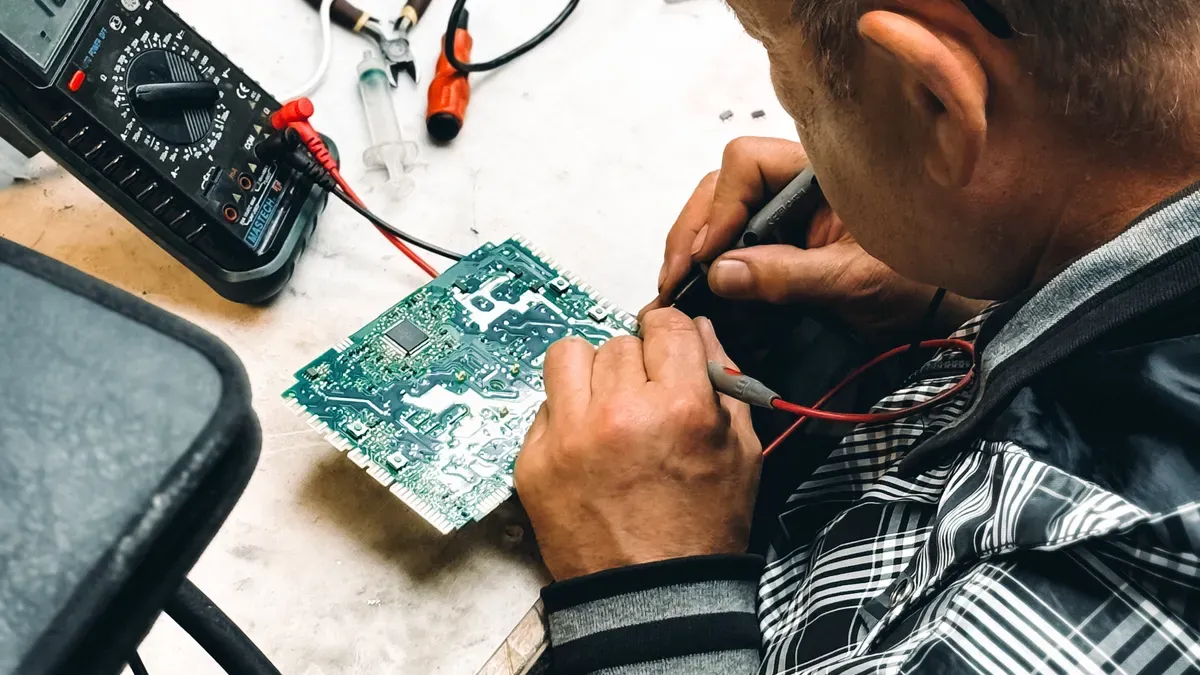
Intelligent routing plays a crucial role in optimizing the PCB assembly process. AI algorithms analyze the layout of components on the board and determine the most efficient paths for connections. This process minimizes the length of traces, reducing signal loss and improving overall performance. By leveraging machine learning, these systems adapt to various designs and production requirements, ensuring that you achieve optimal results every time.
In Czech industrial electronics, intelligent routing systems utilize advanced algorithms to streamline the assembly process. These systems can automatically adjust routing based on real-time data, allowing for quick responses to changes in production demands. As a result, you can enhance productivity while maintaining high-quality standards.
AI Inspection Tools
AI inspection tools have transformed quality control in PCB assembly. These tools utilize advanced technologies such as Automated Optical Inspection (AOI) to ensure that every board meets stringent quality standards. In Czech industrial electronics, AOI systems check 100% of produced PCBs, providing a level of scrutiny that manual inspections cannot match.
Here are some key features of AI inspection tools:
High-resolution cameras: These cameras capture detailed images of PCBs during assembly.
Deep learning algorithms: These algorithms analyze images to detect defects and anomalies.
Continuous inspection: Boards are inspected on the production line, allowing for real-time defect detection.
Fatigue-free performance: Unlike human inspectors, AI systems maintain consistent precision throughout production runs.
Speed and efficiency: AI can process thousands of images per minute, increasing production rates without sacrificing quality.
AI-driven automated inspection systems are becoming the industry standard. They can scan boards in seconds with high-speed cameras and advanced algorithms. These systems detect defects at a resolution of up to 5 micrometers, which is crucial for modern PCBs that may have components as small as 0.4mm in pitch. This level of detail is nearly impossible to achieve with manual inspections, which often rely on human operators using microscopes.
The integration of AI in automation and inspection processes has significantly impacted productivity in Czech PCB assembly plants. The use of AI and machine vision systems has replaced traditional manual inspections, leading to faster processes and a reduction in human error. This trend confirms a shift towards more efficient quality control methods, enhancing your operational capabilities.
Case Studies in Czech Industry
Successful Implementations
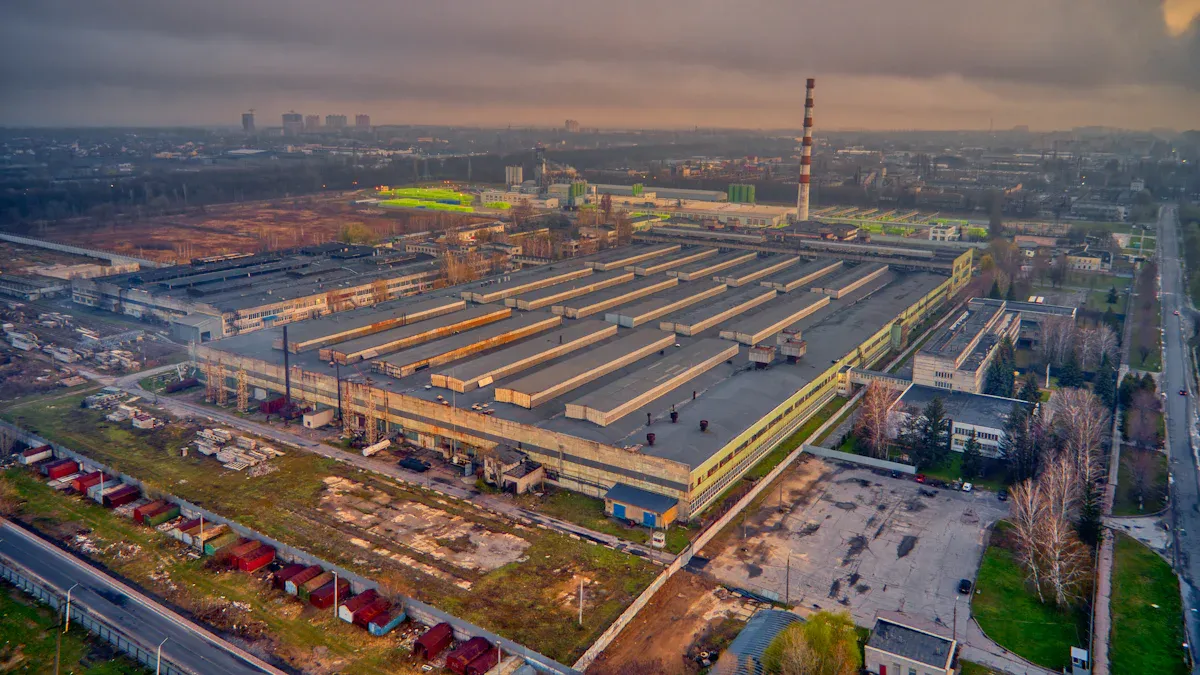
Several companies in the Czech Republic have successfully integrated AI electronics PCBA into their operations. For instance, a leading manufacturer of industrial control boards adopted AI-driven inspection tools. This implementation led to a 30% reduction in defect rates and significantly improved production speed. Another company specializing in sensor modules utilized intelligent routing algorithms, which optimized their assembly process and reduced material waste by 25%.
These examples demonstrate the tangible benefits of AI in PCB assembly. Companies that embrace these technologies often see enhanced productivity and quality.
Lessons Learned
From these successful implementations, several key lessons emerge. First, the human factor plays a crucial role in the success of AI PCBA projects. Trained and motivated personnel can effectively leverage technology to achieve desired outcomes. A recent analysis revealed that human factors contribute to 60% of the success in AI PCBA projects.
Second, data quality is essential. The effectiveness of AI systems hinges on the quality of the data they process. Poor data can lead to inaccurate results, undermining the benefits of automation. This factor accounts for 30% of project success. Lastly, while technology is important, its impact is minimal without skilled users and quality data, contributing only 10% to overall success.
Here’s a summary of the key factors contributing to successful AI PCBA projects in the Czech industry:
Factor | Contribution (%) | Description |
|---|---|---|
Human Factor | 60% | Success is largely dependent on trained and motivated personnel who can effectively use technology. |
30% | The quality of data is crucial as it directly impacts the effectiveness of technology. | |
Technology | 10% | While technology is important, its impact is minimal without skilled users and quality data. |
By understanding these lessons, you can better prepare for your own AI PCBA initiatives. Emphasizing training and data integrity will enhance your chances of success.
Future Trends in AI Electronics PCBA
Emerging Technologies
The landscape of PCB assembly is rapidly evolving with the introduction of emerging AI technologies. Visual AI inspection systems are at the forefront, utilizing high-resolution cameras and deep learning algorithms. These systems continuously analyze PCBs during assembly, detecting defects such as solder joint issues and component placement errors. By automating the inspection process, you can achieve faster inspection speeds and lower operational costs. This technology ensures that every board meets strict quality standards, which is crucial for maintaining high quality in PCB assembly.
Moreover, AI systems are set to revolutionize defect detection accuracy. They can achieve detection rates above 95%, process thousands of boards daily, and reduce production costs by up to 25%. This continuous monitoring and optimization of production processes will enhance your operational efficiency and product quality.
Long-term Industry Impact
The long-term impact of AI on the Czech industrial electronics sector is profound. Initiatives like the Czech AI Factory aim to integrate AI into industrial processes, enhancing competitiveness and innovation. This integration provides companies access to advanced AI tools without extensive infrastructure, fostering collaboration between research and industry.
The RICAIP project has established a unique infrastructure for testing and deploying industrial AI. This interconnected ecosystem strengthens the sector’s ability to innovate and remain competitive in the European market. As AI continues to transform the job market, you will need to adapt to new skill requirements. Up to 52% of work tasks in the Czech Republic could be automated by 2030, emphasizing the importance of lifelong learning and re-skilling.
AI plays a pivotal role in transforming PCBA processes within the Czech industrial electronics sector. You benefit from enhanced efficiency, improved quality control, and the ability to customize solutions to meet your specific needs.
Here are some key takeaways regarding AI’s impact:
Key Takeaway | Description |
|---|---|
Simplification of Production | AI simplifies the production process in PCB manufacturing. |
Increased Productivity | AI contributes to higher productivity levels in manufacturing. |
Real-time Communication | AI enhances communication between automation systems and humans, crucial for efficiency. |
By leveraging AI, you can reduce supply chain communication costs and streamline operations. Embracing these advancements positions your business for future success in a competitive landscape.
FAQ
What is AI PCBA?
AI PCBA refers to the integration of artificial intelligence in printed circuit board assembly processes. It enhances efficiency, quality control, and customization, allowing you to streamline operations and improve product standards.
How does AI improve quality control in PCBA?
AI improves quality control by utilizing advanced inspection tools that detect defects in real-time. These systems analyze components with high precision, ensuring that your products meet stringent quality standards consistently.
What are the benefits of customized PCBA solutions?
Customized PCBA solutions allow you to tailor designs to your specific needs. This flexibility reduces supply chain communication costs and enhances overall production efficiency, making your operations more competitive.
How can I implement AI in my PCB assembly process?
To implement AI in your PCB assembly, start by assessing your current processes. Identify areas for improvement, then invest in AI-driven tools and training for your team to maximize the benefits of automation.
What future trends should I watch in AI PCBA?
Watch for advancements in visual AI inspection systems and machine learning algorithms. These technologies will continue to enhance defect detection accuracy and streamline production processes, keeping you ahead in the competitive landscape.
See Also
Tailored AI PCBA Production for Electronics Firms in Mexico
Original Equipment Manufacturer AI PCBA for Polish Electronics
AI PCBA Prototyping for Israeli Security and Vision Tech