
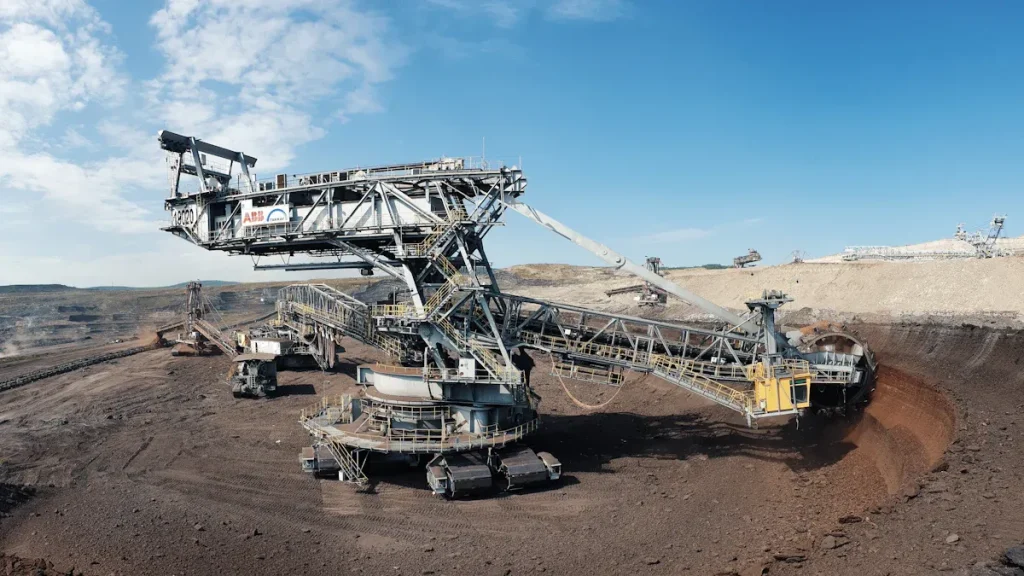
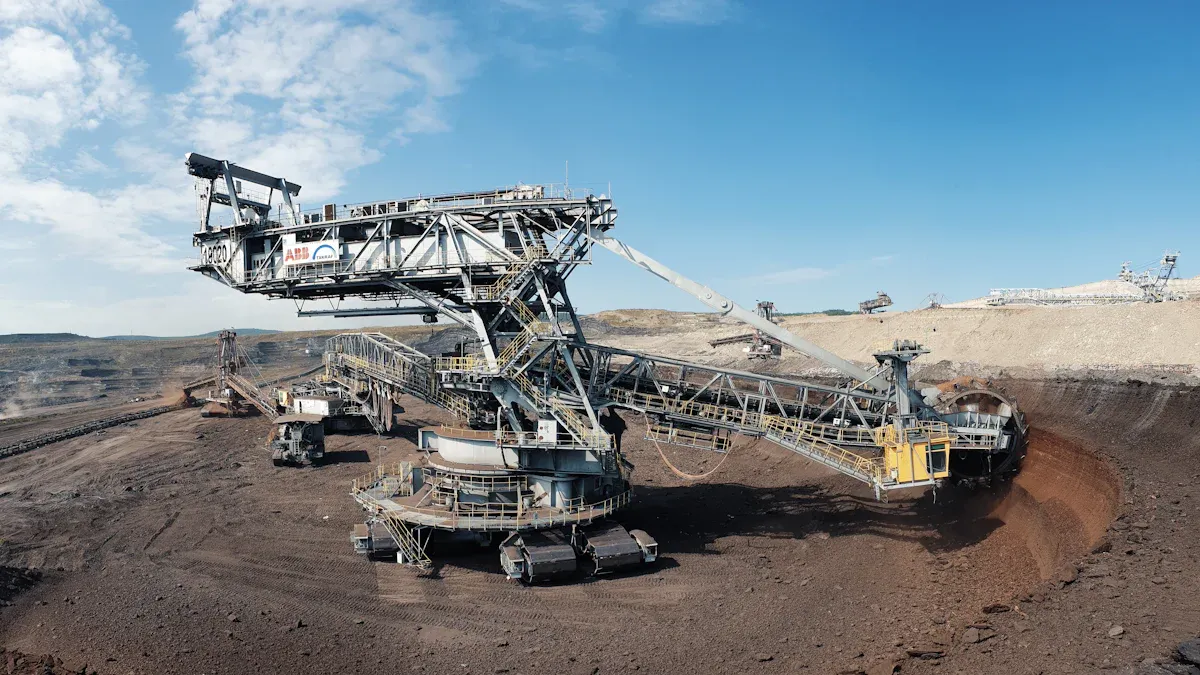
In the demanding landscapes of Australian mining and energy systems, rugged mining AI PCBA technology plays a pivotal role in ensuring safety and efficiency. You face numerous challenges, such as dust, vibration, and extreme temperatures, which can severely impact traditional PCBA performance. These harsh conditions necessitate robust solutions. For instance, employing corrosion-resistant materials and high-performance laminates can significantly enhance reliability. As you navigate these environments, the integration of advanced technology not only mitigates risks but also optimises operational success.
Key Takeaways
Rugged AI PCBA technology enhances safety in mining by predicting hazards and monitoring equipment health.
Integrating AI in mining operations improves efficiency, reduces costs, and optimises production processes.
Vibration and thermal stability are crucial for PCB assemblies to ensure reliable performance in harsh mining environments.
Remote monitoring systems provide real-time data, enhancing decision-making and operational efficiency in mining.
Investing in advanced monitoring and AI technology leads to long-term benefits, including cost savings and improved sustainability.
AI in Mining PCBA

Safety Enhancements
In the realm of mining, safety remains paramount. The integration of mining AI PCBA technology significantly enhances safety measures. You can leverage AI to predict potential hazards by analysing data from various sensors embedded in the equipment. This predictive capability allows you to take preemptive actions, reducing the risk of accidents. For instance, AI-driven systems can monitor equipment health and alert you to any anomalies that might indicate a failure. This proactive approach ensures that you maintain a safe working environment, even in the most challenging conditions.
PCBA manufacturers in the Australian mining sector face significant challenges. They must produce PCB assemblies that withstand extreme vibrations, temperature fluctuations, and exposure to dust and moisture. These conditions are prevalent in mining environments. Additionally, manufacturers must adhere to strict regulatory standards and comply with environmental sustainability measures, such as RoHS. By integrating AI, you can enhance the design and manufacturing processes, ensuring that the PCBA meets these rigorous demands.
Efficiency Improvements
Efficiency in mining operations directly impacts profitability. Mining AI PCBA technology plays a crucial role in streamlining processes and reducing operational costs. AI algorithms optimise the design and manufacturing of PCBA for mining applications. This optimisation results in faster production times and reduced material waste. You benefit from lower production costs and increased efficiency.
Moreover, AI integration allows for real-time monitoring and adjustments. You can use AI to analyse data from mining operations, identifying areas where efficiency can be improved. For example, AI can suggest optimal equipment settings or highlight bottlenecks in the production process. This continuous improvement cycle ensures that your mining operations remain competitive and cost-effective.
Incorporating mining AI PCBA technology not only enhances safety and efficiency but also positions you at the forefront of innovation in the mining industry. By embracing these advancements, you ensure that your operations are both safe and efficient, meeting the demands of the modern mining landscape.
Mining Automation Equipment
Vibration Resistance
In mining automation, PCB assemblies must meet stringent requirements to ensure operational reliability. You need assemblies that are vibration-resistant, as heavy machinery generates significant vibrations. This resistance is crucial to prevent component failure and maintain consistent performance. The use of rugged PCBA designs, which incorporate reinforced soldering and environmental sealing, enhances durability. These features ensure that your equipment can withstand the rigours of mining operations, even in remote locations where maintenance is challenging.
Thermal Stability
Thermal stability is another critical requirement for PCB assemblies in mining automation. Equipment often operates in extreme temperatures, which can lead to performance degradation. You should choose assemblies designed to endure these conditions, ensuring that they function reliably. Rugged PCBA designs utilise industrial-grade components that withstand high temperatures and vibrations. This capability is essential for maintaining performance in harsh environments.
Moreover, compliance with IEC 60079 standards is vital for safety in hazardous areas. Your PCB assemblies should be certified for use in Zone 0, 1, and 2 environments, reducing the risk of ignition in gas and dust scenarios. This compliance not only enhances safety but also boosts operational reliability.
To mitigate common failure modes, consider the following strategies:
Failure Mode | Description | Mitigation Strategy |
|---|---|---|
Dust Infiltration | Fine abrasive dust infiltrates enclosures rated IP65. | Use enclosures with higher IP ratings and regular cleaning protocols. |
Temperature Swings | Temperature variations cause condensation in conduits. | Implement temperature control systems and use materials resistant to condensation. |
Vibration | Vibration from machinery loosens terminations. | Secure all connections and use vibration-dampening mounts. |
By investing in rugged PCBA technology, you ensure that your mining automation equipment operates reliably, enhancing both safety and efficiency in your operations.
Monitoring Systems in Mining
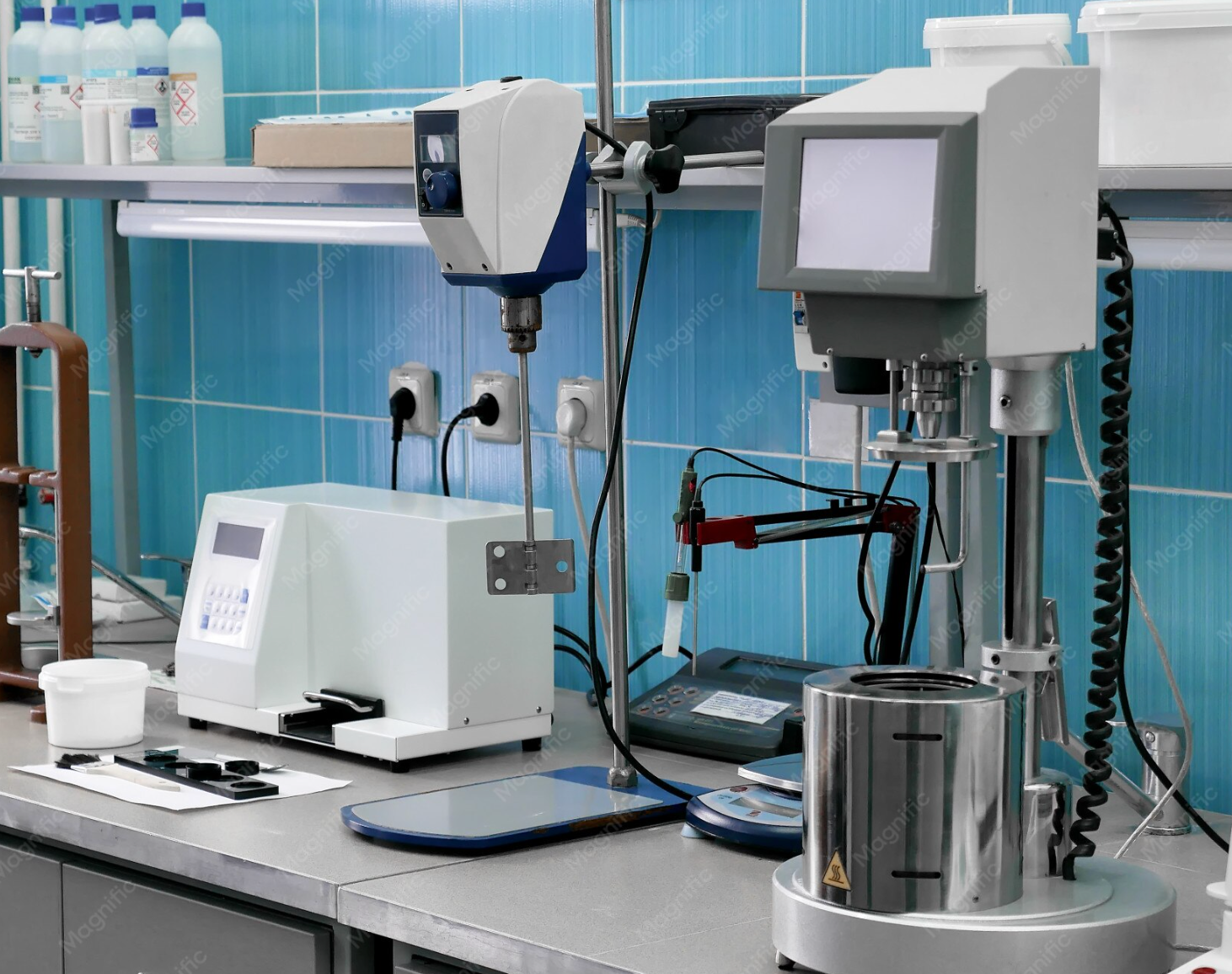
Monitoring systems play a crucial role in mining operations. They provide real-time data that enhances decision-making and operational efficiency. You rely on these systems to ensure safety, compliance, and productivity in challenging environments. Effective monitoring can help you identify potential issues before they escalate, ultimately safeguarding both personnel and equipment.
Remote Monitoring Solutions
Remote monitoring solutions have revolutionised the way you manage mining operations. These systems leverage advanced technology to collect and analyse data from various sources, allowing you to monitor conditions from anywhere. Some of the most effective solutions currently used in Australian mining include:
SiteHive’s Hexanode devices: These devices monitor environmental impacts such as noise, dust, and vibration. They provide critical data that informs safety and operational decisions.
Enviro software: This software allows you to visualise and analyse data collected from Hexanode devices, enhancing decision-making efficiency. Its user-friendly interface minimises the learning curve, making it accessible even for those who are not tech-savvy.
The integration of AI PCBA in these devices ensures robust performance in harsh mining environments. You benefit from improved data accuracy and reliability, which are essential for effective air quality monitoring and equipment health monitoring.
Anomaly Detection
Anomaly detection is another vital aspect of monitoring systems in mining. Implementing AI-based anomaly detection enhances safety and operational efficiency. You can establish safe operating bounds for operational technology (OT) devices, which helps in detecting AI drift and model changes that could impact safety and performance. As processes mature, shifting from setpoints to anomaly detection allows you to identify increasingly sophisticated faults.
The challenges faced by monitoring systems in Australian mining operations include:
Challenge | Implication |
|---|---|
Fragmented systems | Lead to inefficiencies and compliance risks |
Decision-making delays | Result from lack of unified data oversight |
Need for integrated platforms | Essential for connecting field data to dashboards |
Complexity of operations | Requires real-time oversight across contractors |
Moreover, regulatory requirements for monitoring systems are stringent. You must comply with air quality standards, particularly regarding diesel particulate matter (DPM). The new DPM standard, effective from December 2026, mandates that no worker exceeds an exposure limit of 0.01 mg/m³. Each state has specific regulations, such as New South Wales, which requires notification if DPM exceeds 0.1 mg/m³ and the development of management plans for exceedances.
By investing in advanced monitoring systems, you ensure that your mining operations remain compliant, safe, and efficient. The integration of rugged AI PCBA technology into these systems not only enhances their reliability but also positions you at the forefront of innovation in the mining industry.
Energy Monitoring with AI PCBA
Performance Validation
In energy monitoring systems, performance validation is crucial for ensuring reliability and efficiency. You can employ various methods to assess the effectiveness of AI PCBA in these systems. For instance, AI-assisted monitoring and diagnosis algorithms enhance the reliability of power electronic converters. These algorithms provide real-time data, allowing you to make informed decisions quickly. Additionally, hardware-in-the-loop (HIL) testing enables real-time validation under realistic conditions. This method ensures that your systems perform optimally, even in challenging environments.
Method | Description |
|---|---|
AI-assisted monitoring and diagnosis | Enhances the reliability and diagnosability of power electronic converters. |
Hardware-in-the-loop (HIL) testing | Allows for real-time validation and experimentation under realistic conditions. |
Predictive Maintenance
Predictive maintenance is another significant advantage of integrating AI into energy monitoring systems. By analysing real-time data, AI tools can predict equipment failures before they occur. This proactive approach minimises downtime and reduces maintenance costs. For example, BHP has successfully implemented AI-driven predictive maintenance for its heavy machinery. This initiative not only helps predict equipment failures but also reduces environmental impact by ensuring that machinery operates efficiently.
The integration of AI in energy monitoring systems offers several benefits:
AI virtual assistants manage routine tasks, allowing human experts to focus on critical areas like stakeholder engagement and safety oversight.
AI tools enhance grid stability and automate resilience measures, as seen in South Australia’s Virtual Power Plant.
Companies like Norske Skog are exploring AI-powered energy management systems to reduce their carbon footprint, demonstrating a commitment to sustainability.
While the initial investment in AI technology may be substantial, the long-term benefits, including cost savings and enhanced sustainability, make it an appealing option for companies in the mining and energy sectors. By adopting rugged PCBA technology, you ensure that your energy monitoring systems remain efficient and reliable, ultimately contributing to improved energy efficiency across your operations.
Rugged AI PCBA technology significantly transforms mining and energy systems in Australia. You benefit from enhanced safety and efficiency, which are crucial in these demanding environments. This technology supports the development of autonomous systems, improving operational resilience. Key advantages include:
Enhanced safety and efficiency in mining and energy sectors.
Support for autonomous systems that improve operational resilience.
Robust electronic solutions that withstand harsh environmental conditions.
Enabling technologies like autonomous haulage, remote monitoring, and collision detection.
As you look to the future, expect further advancements in AI integration, driving innovation and sustainability in your operations.
FAQ
What are reliable PCB assemblies used for in mining?
Reliable PCB assemblies are crucial for ensuring the operational reliability of mining equipment. They withstand harsh conditions, such as vibrations and extreme temperatures, enhancing the performance of automated mining systems.
How do AI-powered data processors improve mining operations?
AI-powered data processors analyse data from sensor networks, enabling real-time decision-making. This capability enhances safety systems and optimises processes, leading to increased efficiency in mining operations.
What role do remote condition monitoring systems play in mining?
Remote condition monitoring systems allow you to track equipment health and environmental conditions from afar. They utilise sensor data to detect anomalies, ensuring safety and preventing costly downtime.
How do autonomous haulage systems benefit mining operations?
Autonomous haulage systems improve efficiency by automating material transport. They reduce the need for human intervention, enhancing safety and allowing for continuous operation in challenging environments.
Why is data analysis important in mining?
Data analysis is vital for identifying trends and optimising operations. By leveraging data from various sources, you can make informed decisions that enhance safety and operational efficiency in mining.
See Also
Durable AI PCBA Solutions for Canadian Outdoor Surveillance
Robust AI PCBA for Marine and Energy Monitoring in Norway
AI PCB Assembly Solutions for Canadian Vision Monitoring Devices
Tailored Edge AI PCBA Solutions for American Hardware Startups