
Medical Device PCBA Assembly: Quality and Traceability for UK Innovators

Medical Device PCBA Assembly: Quality and Traceability for UK Innovators

Medical Device PCBA Assembly: Quality and Traceability for UK Innovators

Medical Device PCBA Assembly: Quality and Traceability for UK Innovators

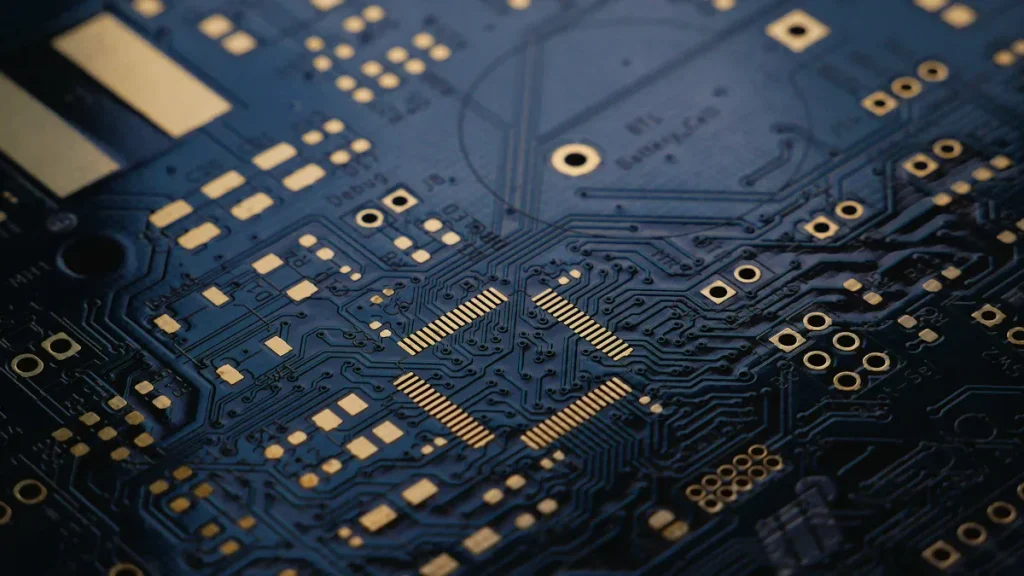
Printed Circuit Board Assemblies (PCBAs) form the indispensable core of modern medical devices, powering everything from diagnostic equipment to wearable health monitors. You, as UK innovators, face unique challenges in this highly regulated sector. Patient safety, stringent regulatory compliance, and ultimate market success fundamentally hinge upon uncompromising quality and robust traceability throughout the entire medical pcba assembly process. These are critical considerations for all medical electronics. How can you navigate these inherent complexities to ensure your innovative devices are not only groundbreaking but also inherently safe, reliably functional, and fully compliant? This blog serves as a comprehensive guide to achieving excellence in medical pcba manufacturing within the dynamic UK context. Every medical pcba must meet stringent standards.

Key Takeaways

  • IPC Class 3 and ISO 13485 standards guarantee ultimate safety for medical device circuitry.

  • Precision testing techniques like X-ray inspection catch hidden defects early to prevent product failures.

  • End-to-end component tracking simplifies official regulatory audits for faster market approval.

  • Early UK manufacturing partnerships reduce production costs and speed up product launch timelines.

Medical PCBA: Beyond Standard Electronics

Unique Demands of Medical Circuitry

Medical Printed Circuit Board Assemblies (PCBAs) are not merely standard electronic components; they are the sophisticated core of life-critical healthcare devices. You must understand that these PCBAs power essential equipment such as vital sign monitors and heart rhythm monitors, demanding absolute precision in their operation. The unique demands of medical circuitry necessitate higher material grades and a robust design far exceeding those found in typical consumer electronics. You require controlled manufacturing processes to ensure the integrity of every board. Thorough testing and inspection are paramount, guaranteeing consistent performance in demanding clinical environments. This focus on quality prevents life-threatening malfunctions and ensures long-term durability, significantly reducing the risk of faults in critical applications.

Furthermore, medical electronics must comply with strict regulatory standards based on their function and environment. This includes maintaining detailed records of testing and inspection, ensuring impeccable cleanliness through contaminant removal, and possessing the ability to withstand extreme conditions such as liquid exposure, shocks, and temperature fluctuations. For instance, advanced medical pcba technology is crucial for diagnostic equipment, laboratory instruments, remote health terminals, and wearable healthcare devices. Even implantable medical devices, which are quintessential life-critical systems, rely on highly specialised medical pcba for their reliable performance in harsh internal environments. You must ensure your medical device pcb design accounts for these rigorous requirements from the outset.

Why Specialisation Matters for UK Innovators

For UK innovators, specialisation in medical PCBA assembly is not merely an advantage; it is a necessity. Partnering with a specialist medical pcba manufacturer ensures that your products meet the unparalleled standards required for medical electronics. UK manufacturers typically adhere to rigorous quality standards, including ISO 9001 certification, IPC-A-600 compliance, and often industry-specific standards for medical applications. This commitment to established benchmarks provides you with the assurance of consistency and reliability, addressing common pain points in the development process.

A specialist manufacturer also brings advanced capabilities and expertise. For example, a new selective soldering machine ensures 100% barrel fill, meaning it meets IPC Class 3 standards, the standards needed in all medical and military equipment. This level of precision is critical for the long-term reliability of your medical pcba. Furthermore, specialists often have established relationships for stable component sources, which is vital for maintaining supply chain resilience and ensuring the consistent quality of materials. They also implement executable functional testing and strict production records, simplifying your regulatory quality audits and certification processes. You gain a partner who understands the nuances of medical device development, ensuring your innovations are not only cutting-edge but also safe and compliant.

Navigating UK Medical Device Regulations

ISO 13485 and UKCA Marking

You must understand the regulatory landscape for medical devices in the UK. The UKCA mark is a critical indicator that your device complies with the regulations outlined in the UK Medical Devices Regulations 2002.

The UKCA mark indicates that the device complies with the regulations outlined in the UK MDR 2002. Pursuing ISO 13485 certification is necessary to meet these legal obligations under UKCA requirements. This certification demonstrates your commitment to a robust quality management system.

Compliance with ISO 13485:2016 is vital for consistency and full traceability in your medical pcba assembly. This standard ensures your processes meet the stringent demands of medical device regulations. Key requirements under UKCA, supported by ISO 13485, include:

Requirement

Standard

Safety

IEC 60601-1

Electromagnetic compatibility

IEC 60601-1-2

Risk management

ISO 14971

ISO 13485:2016 principles are incorporated throughout production for traceability and robust documentation, supporting product lifecycle and ensuring safety and reliability through validated processes. This includes comprehensive data recording. Documentation requirements include: quality manual, medical device file, document control, control of records, quality policy, and additional templates. Traceability requirements include: process validation with documentation, cleaning validation, installation and service documentation, sterilization validation, and overall traceability tracking. ISO 13485:2016 requires manufacturers to document procedures for traceability, defined as the ability to trace history, application, or location of an entity. Section 7.5.9 specifically addresses traceability. External traceability involves components shared across the supply chain, while internal traceability tracks materials from inputs to finished product within a company. This meticulous approach simplifies regulatory quality audits and certification processes.

IPC Standards in Medical PCBA

Beyond ISO 13485, you must also adhere to specific IPC standards for your medical pcba. IPC high-reliability classes, such as IPC Class 3, are crucial for devices where failure is unacceptable. These standards dictate the quality and reliability of electronic assemblies.

The choice between IPC Class 2 and IPC Class 3 depends on the device’s criticality and associated risk management. IPC Class 2 is appropriate for non-life-support medical devices, such as diagnostic monitors, where reliability remains important but the consequence of failure is less catastrophic. IPC Class 3 is reserved for life-support medical devices like ventilators and heart monitors, where failure could directly lead to loss of life, demanding the highest reliability and safety standards.

Aspect

IPC Class 2

IPC Class 3

Application

Non-life-support medical devices (e.g., diagnostic monitors)

Life-support medical devices (e.g., ventilators, heart monitors)

Consequence of failure

Less catastrophic; reliability important but failure is acceptable

Failure unacceptable; can directly result in loss of life

Reliability requirement

High, but balanced with cost and performance

Highest level of reliability and safety, with stringent requirements

Adherence to these IPC standards, alongside ISO 13485, ensures your medical pcba meets the rigorous demands of medical device regulations. This comprehensive compliance framework also aids in achieving global standards, including aspects relevant to FDA compliance, by establishing a foundation of quality and documented processes.

Achieving Quality in Medical PCBA Assembly
Achieving Quality in Medical PCBA Assembly

Precision Manufacturing and Material Selection

Achieving superior quality in medical pcba assembly begins with precision manufacturing and meticulous material selection. You must understand that every component and every process step directly impacts the reliability and safety of the final medical device. Manufacturers employ Statistical Process Control (SPC) to manage, monitor, and maintain production processes. This technique involves collecting and analysing production data to detect variations in critical parameters and take corrective actions in real-time. The idea is to make a process as efficient as possible while producing products within conformance specifications with minimal scrap. For products with critical-to-quality measurements, automated metrology vision systems replace older methods, reducing reliance on operators and enabling the saving of SPC data. This commitment to SPC, alongside ISO 9001 Quality Management Systems and ISO 13485 Medical Device Quality Management, professionalises quality and traceability.

Material selection is equally critical for medical pcba. You require high-reliability materials that can withstand the demanding environments of medical applications. Common choices include High-Tg FR4 laminates for their thermal stability, ENIG (Electroless Nickel Immersion Gold) surface finishes for excellent solderability and corrosion resistance, and Parylene conformal coatings for superior moisture barriers. Polyimide substrates, such as DuPont’s Pyralux, are frequently used in medical devices for implants and diagnostic sensors due to their flexibility, thermal stability, and ability to conform to unusual shapes. These materials ensure the longevity and consistent performance of your medical pcba. Furthermore, leading manufacturers implement comprehensive incoming material inspection to verify component quality before assembly, mitigating potential issues early in the production cycle. This proactive approach is vital for effective risk management and ensuring the consistency and reliability of your medical pcba.

Rigorous Testing: AOI, X-Ray, and FCT

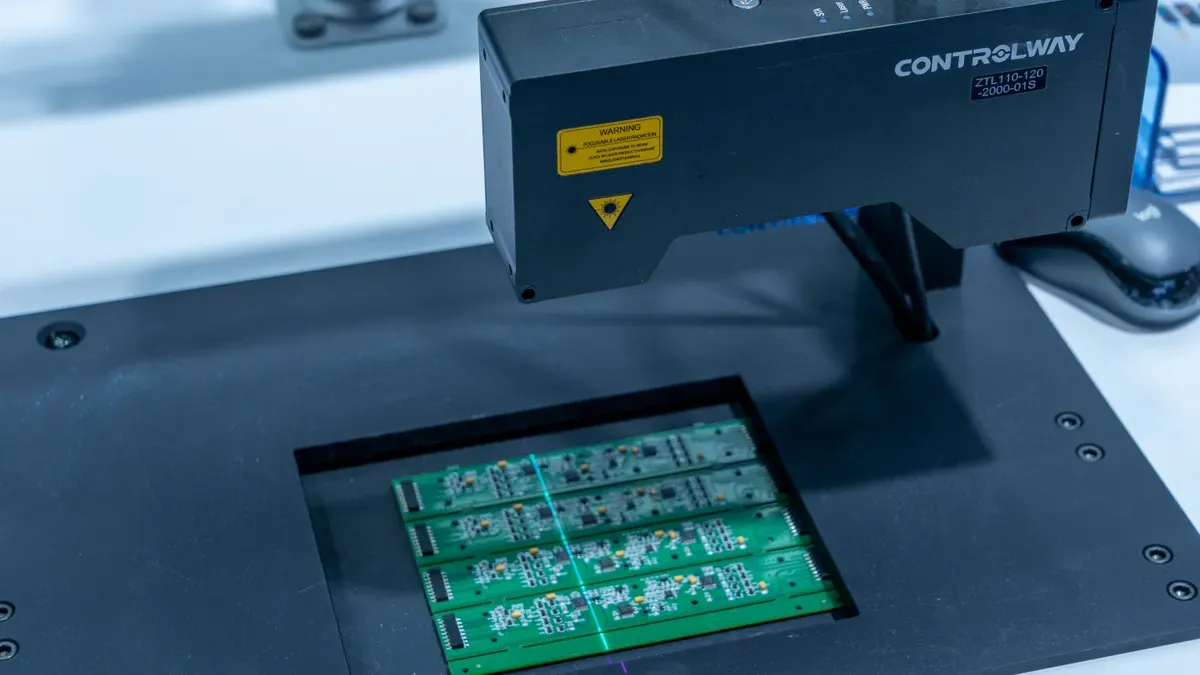
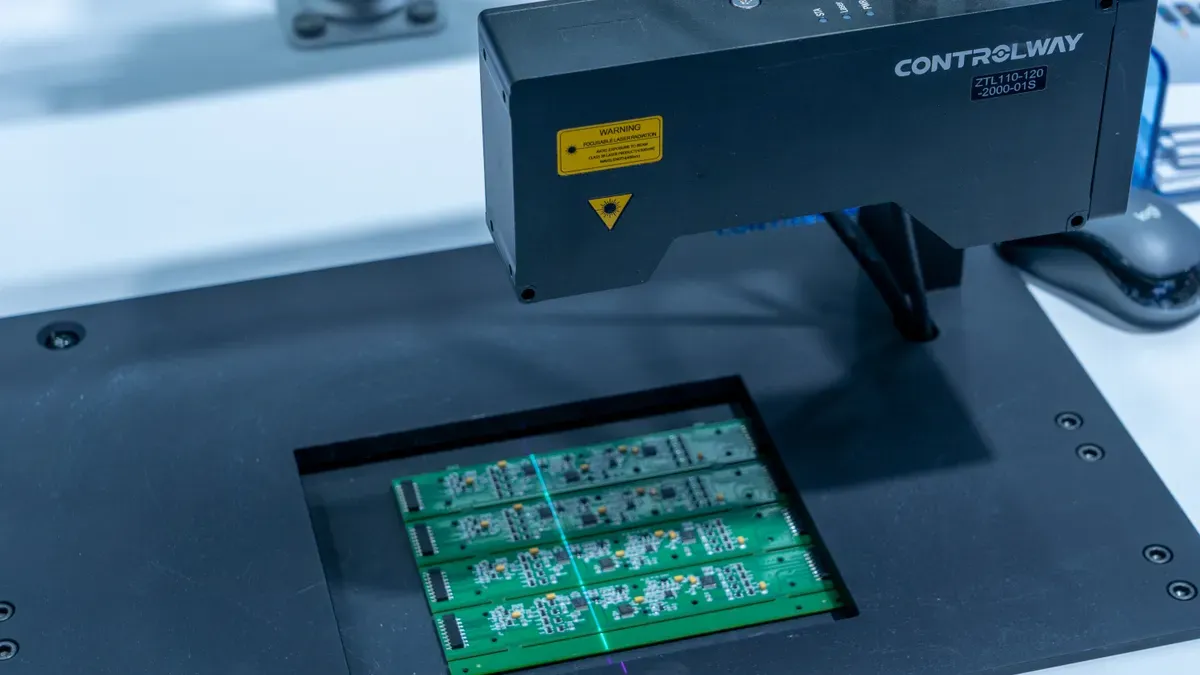
Rigorous testing protocols are indispensable for validating the quality of medical pcba. You cannot compromise on the thoroughness of inspection and testing, as patient safety depends on the flawless operation of medical electronics. Automated Optical Inspection (AOI) systems are a primary tool, quickly identifying surface defects such as missing components, incorrect polarity, or solder bridges. These systems provide rapid feedback, allowing for immediate process adjustments.

Beyond optical inspection, X-ray inspection offers a non-destructive method to visualise internal structures that are invisible to traditional optical methods. This includes critical elements like BGA (Ball Grid Array) solder joints, blind/buried vias, and internal layers. X-ray inspection can detect defects such as voids, bridging, insufficient solder, misalignment, and cracks. As the X-rays pass through the component, different densities within the component attenuate the X-rays by different amounts, resulting in light and dark areas on the detection media. For example, a crack in a solder ball appears as a light area containing a dark crack because the solder’s density is greater than the air in the crack. This technology enables detailed evaluation of BGA solder ball formation, joint geometry, and void percentage, identifying issues like head-in-pillow defects or fractured joints. By identifying these issues early, manufacturers prevent costly field returns and protect product integrity, which is crucial for effective risk management in medical pcba assembly.

Finally, Functional Circuit Testing (FCT) verifies that the medical pcba performs its intended electrical functions. This test simulates the operational environment of the device, checking for correct voltage outputs, current draws, and signal integrity. Manufacturers also provide precise program burning services and maintain meticulous test records for every medical pcba, ensuring full traceability and compliance with regulatory requirements. This multi-layered testing approach guarantees the reliability and performance of your medical pcba before it reaches the market.

End-to-End Traceability in PCBA Assembly

End-to-End Traceability in PCBA Assembly

Component Tracking and BOM Lifecycle

You must establish robust component tracking and Bill of Materials (BOM) lifecycle management to ensure the integrity and reliability of every medical pcba. This process begins with the meticulous tracking of each component from its receipt through to its final placement on the assembly. You require detailed records of testing and inspection processes for every part. Serialization of each assembly is crucial, providing a unique identifier that allows you to track each prototype from component placement through final inspection. This comprehensive approach ensures you can check the traceability of components at any stage, manage testing processes effectively, and verify component sources. You must also track design updates and ensure clear tracking throughout the entire process, purchasing only genuine components to mitigate risks. Utilising tools such as Automated Optical Inspection (AOI) and X-ray tools, alongside maintaining thorough paper records, further strengthens this tracking.

Effective component tracking also involves implementing various identification methods. You can use barcodes printed and applied on the PCB or packaging, RFID tags for automatic tracking, QR codes for serial numbers and dates, or laser marking for permanent etching. Data matrix codes offer high-density information, and unique identifiers like serial numbers are fundamental. Integrating these labelling methods with the SMT production line, treating labels as components, streamlines the process. These labels must withstand challenging conditions, including temperature fluctuations, mechanical abrasion, and chemicals. Polyimide is the most common material for these labels, offering high stability up to 300°C, high-resolution printability, and suitability for barcodes, data matrix codes, and QR codes. This meticulous tracking throughout the BOM lifecycle is essential for managing the high requirements for long-term supply, ensuring you can always identify and source components reliably for your medical pcba.

Ensuring Batch Consistency and Documentation

Ensuring batch consistency and maintaining comprehensive documentation are paramount for any medical pcba. A robust traceability system in PCB manufacturing supervises all manufacturing activities, providing a complete defect history for each batch. This system helps you reduce inventory, avoid shortages, identify and eliminate bottlenecks, and improve on-time delivery. It also monitors material flow and workflow, improving first-pass yields and reducing defects while minimising human factor failures. Labelling products with barcodes or serial numbers and implementing real-time traceability for material flow control are key components of such a system.

You must maintain extensive documentation to support regulatory compliance under UK MDR 2002. This includes receipt inspection records, batch tracking references, inspection outcomes, and test results, all linked to each job. The required documentation standards include ISO 13485:2016, UKCA marking for UK conformity, GS1 barcodes for standardised identification, and FDA Medical Device Tracking Regulations. Electronic batch records with complete genealogy tracking and automated inspection workflows are essential for audit readiness. ISO 13485 for medical device quality management and IPC Class 3 for high workmanship standards are critical. Batch traceability records, first article inspection reports, and test result archiving provide the foundation for regulatory submissions, post-market surveillance, and audit readiness. Furthermore, FDA 21 CFR Part 11 for electronic records and signatures, ISO 17025 for testing laboratory competency, and cGxP (GMP, GLP, GCP) for quality systems are vital. Effective batch management requires end-to-end traceability, linking final products to raw materials and suppliers, supporting Unique Device Identification (UDI) and other traceability requirements. This meticulous data recording is a cornerstone of your quality management system and crucial for effective risk management.

Challenges and Innovation for UK Firms

Miniaturisation and Supply Chain Resilience

You face significant challenges and opportunities with the ongoing trend of miniaturisation in medical device PCBA assembly. This trend is characterised by higher component densities, smaller surface-mount components, and advanced multilayer board designs with tighter tolerances. Advanced techniques such as High-Density Interconnects (HDIs) using microvia technology and advanced Surface Mount Technology (SMT) enable higher connection density and smaller component placement. The use of extremely small components, such as 01005 size, is now possible due to these SMT advances. This drive for smaller, more portable medical devices impacts manufacturing by requiring extreme precision to ensure no interference between components.

The manufacturing impact of miniaturisation means that Design for Manufacturability (DFM) becomes critical. Early collaboration in design and prototyping helps you avoid assembly issues. Automated SMT capabilities with pick-and-place machines enable accurate placement of these high-density components. While miniaturisation demands precise assembly processes, it also brings benefits such as reduced material and energy consumption, leading to cost savings and smaller, more portable medical devices. Ensuring supply chain resilience for these specialised components is paramount for your medical pcba projects.

Strategic UK PCBA Partnerships

Forming strategic partnerships with UK PCBA manufacturers is crucial for navigating these complexities and fostering innovation. Engaging an Electronics Manufacturing Services (EMS) partner during the design phase enables a thorough Design for Manufacturing (DFM) review. For example, a startup medical device prototype using 47 component types with long lead times was redesigned with 12 alternative components and a simplified medical device pcb design, cutting 8 weeks from the timeline and reducing component costs by 18%. Additionally, EMS partners can source components 3-5 times faster, achieve 5-15% lower costs through volume purchasing, and reduce time-to-market by 40-50% (e.g., from 24 weeks to 10-14 weeks).

These long-term partnership relationships, often spanning 15-20+ years, offer significant advantages for your medical electronics. They provide strategic inventory programmes to buffer critical components and offer in-house engineering support for obsolescence management and alternative component qualification. Such partnerships ensure process stability with documented change control for consistent production of your medical pcba. They also bring thorough risk assessment and mitigation strategies during design and production, ensuring compliance with ISO 13485, IPC Class 3, and Good Manufacturing Practices, alongside adherence to RoHS and REACH environmental standards.

Future Trends in UK Medical PCBA

IoT, AI, and Flexible Electronics

You will see significant advancements in medical pcba technology driven by the integration of the Internet of Things (IoT), Artificial Intelligence (AI), and flexible electronics. IoT connectivity enables medical devices to collect and transmit real-time patient data, facilitating remote monitoring and personalised healthcare. This requires medical pcba with robust wireless communication modules, low power consumption, and secure data encryption capabilities. AI algorithms, embedded directly onto the medical pcba or processed in the cloud, can analyse this data to provide predictive diagnostics, optimise treatment plans, and enhance the functionality of medical electronics. For example, AI-powered diagnostic equipment can identify subtle patterns in patient data that human analysis might miss.

Flexible electronics represent another transformative trend, allowing for the creation of devices that conform to the body’s natural contours or integrate seamlessly into clothing. This is particularly relevant for wearable health monitors and implantable medical devices. These flexible medical pcba utilise substrates like polyimide, enabling thinner, lighter, and more comfortable devices. You can expect to see continued innovation in materials and manufacturing processes to support these flexible designs, ensuring they maintain the high reliability and durability required for medical applications. The convergence of these technologies will lead to more intelligent, less invasive, and highly integrated medical solutions.

Preparing for Next-Gen Medical Devices

Preparing for the next generation of medical devices requires a forward-thinking approach to design and manufacturing. You must cultivate a team with diverse and advanced skill sets. Engineers need strong mixed-signal electronics design experience and expertise in taking products from concept to production. Essential skills also include EMC/ESD design and debugging experience, alongside knowledge of high-speed interfaces, sensors, or imaging systems. Proficiency with schematic and PCB design tools, ideally Altium, is crucial. Furthermore, an understanding of signal integrity, grounding, and power design is paramount for developing reliable medical pcba.

Beyond technical expertise, you will find that experience in the medical device or other regulated industries is highly beneficial. Your team should possess broad technical experience spanning physics, electronics (PCB design), electrical engineering, and product design. Programming experience, particularly embedded ‘C’, is essential, with additional knowledge of ‘Python’, Visual Basic, and scripting languages proving advantageous. A working knowledge of all relevant regulations and standards pertaining to medical devices is preferable. You must also foster effective teamwork, collaboration, and influencing skills for working with industrial design experts, biologists, and business partners. This comprehensive skill set ensures you can navigate the complexities of developing cutting-edge medical electronics.

You understand the fundamental importance of quality and traceability as cornerstones for success in the UK medical device sector. Adherence to stringent standards, advanced manufacturing techniques, and comprehensive traceability systems are not merely regulatory necessities; they are powerful drivers of innovation and competitive advantage for your medical pcba assembly. These practices ensure compliance with all medical device regulations. By prioritising these aspects, UK innovators confidently bring life-changing medical devices to market, ensuring patient safety and fostering trust. A bright future for UK medical device innovation emerges when built on a foundation of excellence in medical pcba.

FAQ

How do you ensure the quality of medical PCBAs for life-critical devices?

You ensure quality through precision manufacturing, meticulous material selection, and rigorous testing. Manufacturers employ Statistical Process Control (SPC) and adhere to ISO 13485 and IPC Class 3 standards. Comprehensive testing, including Automated Optical Inspection (AOI), X-ray inspection, and Functional Circuit Testing (FCT), validates performance and reliability.

What are the key regulatory requirements for medical device PCBAs in the UK?

You must comply with the UK Medical Devices Regulations 2002, indicated by the UKCA mark. Adherence to ISO 13485:2016 for quality management systems is essential. Additionally, IPC high-reliability classes, such as IPC Class 3 for life-support devices, dictate the required workmanship standards for your medical PCBAs.

How does end-to-end traceability benefit medical PCBA assembly?

End-to-end traceability provides complete visibility from raw materials to finished products. It ensures batch consistency, simplifies regulatory audits, and supports effective risk management. You can track every component, manage design updates, and maintain comprehensive documentation, which is vital for patient safety and regulatory compliance.

How do UK firms address the challenges of miniaturisation in medical devices?

UK firms address miniaturisation through advanced manufacturing techniques like High-Density Interconnects (HDIs) and precise Surface Mount Technology (SMT). Design for Manufacturability (DFM) becomes critical, fostering early collaboration between design and manufacturing teams. This ensures high component density and reliable assembly for smaller, more portable medical devices.

Why is partnering with a specialist UK PCBA manufacturer advantageous for innovators?

Partnering with a specialist UK PCBA manufacturer offers significant advantages. They provide expertise in DFM, ensuring efficient production. These partnerships also secure stable component sourcing, reduce lead times, and lower costs through volume purchasing. This strategic collaboration ensures your medical devices meet stringent quality and regulatory standards.

See Also

Advanced Medical Device Circuit Assembly Solutions For British Innovations

Next Generation Laboratory Automation Electronics For Irish MedTech Firms

Complete Turnkey Circuit Board Manufacturing For Irish Connected Health

Ultra Precise Circuit Board Assembly For Swiss Healthcare Equipment

Bespoke Edge Computing Hardware Solutions For Emerging American Startups
发表评论

您的邮箱地址不会被公开。 必填项已用 * 标注

Medical Device PCBA Assembly: Quality and Traceability for UK Innovators

Medical Device PCBA Assembly: Quality and Traceability for UK Innovators

Medical Device PCBA Assembly: Quality and Traceability for UK Innovators

Printed Circuit Board Assemblies (PCBAs) form the indispensable core of modern medical devices, powering everything from diagnostic equipment to wearable health monitors. You, as UK innovators, face unique challenges in this highly regulated sector. Patient safety, stringent regulatory compliance, and ultimate market success fundamentally hinge upon uncompromising quality and robust traceability throughout the entire medical pcba assembly process. These are critical considerations for all medical electronics. How can you navigate these inherent complexities to ensure your innovative devices are not only groundbreaking but also inherently safe, reliably functional, and fully compliant? This blog serves as a comprehensive guide to achieving excellence in medical pcba manufacturing within the dynamic UK context. Every medical pcba must meet stringent standards.

Key Takeaways

  • IPC Class 3 and ISO 13485 standards guarantee ultimate safety for medical device circuitry.

  • Precision testing techniques like X-ray inspection catch hidden defects early to prevent product failures.

  • End-to-end component tracking simplifies official regulatory audits for faster market approval.

  • Early UK manufacturing partnerships reduce production costs and speed up product launch timelines.

Medical PCBA: Beyond Standard Electronics

Unique Demands of Medical Circuitry

Medical Printed Circuit Board Assemblies (PCBAs) are not merely standard electronic components; they are the sophisticated core of life-critical healthcare devices. You must understand that these PCBAs power essential equipment such as vital sign monitors and heart rhythm monitors, demanding absolute precision in their operation. The unique demands of medical circuitry necessitate higher material grades and a robust design far exceeding those found in typical consumer electronics. You require controlled manufacturing processes to ensure the integrity of every board. Thorough testing and inspection are paramount, guaranteeing consistent performance in demanding clinical environments. This focus on quality prevents life-threatening malfunctions and ensures long-term durability, significantly reducing the risk of faults in critical applications.

Furthermore, medical electronics must comply with strict regulatory standards based on their function and environment. This includes maintaining detailed records of testing and inspection, ensuring impeccable cleanliness through contaminant removal, and possessing the ability to withstand extreme conditions such as liquid exposure, shocks, and temperature fluctuations. For instance, advanced medical pcba technology is crucial for diagnostic equipment, laboratory instruments, remote health terminals, and wearable healthcare devices. Even implantable medical devices, which are quintessential life-critical systems, rely on highly specialised medical pcba for their reliable performance in harsh internal environments. You must ensure your medical device pcb design accounts for these rigorous requirements from the outset.

Why Specialisation Matters for UK Innovators

For UK innovators, specialisation in medical PCBA assembly is not merely an advantage; it is a necessity. Partnering with a specialist medical pcba manufacturer ensures that your products meet the unparalleled standards required for medical electronics. UK manufacturers typically adhere to rigorous quality standards, including ISO 9001 certification, IPC-A-600 compliance, and often industry-specific standards for medical applications. This commitment to established benchmarks provides you with the assurance of consistency and reliability, addressing common pain points in the development process.

A specialist manufacturer also brings advanced capabilities and expertise. For example, a new selective soldering machine ensures 100% barrel fill, meaning it meets IPC Class 3 standards, the standards needed in all medical and military equipment. This level of precision is critical for the long-term reliability of your medical pcba. Furthermore, specialists often have established relationships for stable component sources, which is vital for maintaining supply chain resilience and ensuring the consistent quality of materials. They also implement executable functional testing and strict production records, simplifying your regulatory quality audits and certification processes. You gain a partner who understands the nuances of medical device development, ensuring your innovations are not only cutting-edge but also safe and compliant.

Navigating UK Medical Device Regulations

ISO 13485 and UKCA Marking

You must understand the regulatory landscape for medical devices in the UK. The UKCA mark is a critical indicator that your device complies with the regulations outlined in the UK Medical Devices Regulations 2002.

The UKCA mark indicates that the device complies with the regulations outlined in the UK MDR 2002. Pursuing ISO 13485 certification is necessary to meet these legal obligations under UKCA requirements. This certification demonstrates your commitment to a robust quality management system.

Compliance with ISO 13485:2016 is vital for consistency and full traceability in your medical pcba assembly. This standard ensures your processes meet the stringent demands of medical device regulations. Key requirements under UKCA, supported by ISO 13485, include:

Requirement

Standard

Safety

IEC 60601-1

Electromagnetic compatibility

IEC 60601-1-2

Risk management

ISO 14971

ISO 13485:2016 principles are incorporated throughout production for traceability and robust documentation, supporting product lifecycle and ensuring safety and reliability through validated processes. This includes comprehensive data recording. Documentation requirements include: quality manual, medical device file, document control, control of records, quality policy, and additional templates. Traceability requirements include: process validation with documentation, cleaning validation, installation and service documentation, sterilization validation, and overall traceability tracking. ISO 13485:2016 requires manufacturers to document procedures for traceability, defined as the ability to trace history, application, or location of an entity. Section 7.5.9 specifically addresses traceability. External traceability involves components shared across the supply chain, while internal traceability tracks materials from inputs to finished product within a company. This meticulous approach simplifies regulatory quality audits and certification processes.

IPC Standards in Medical PCBA

Beyond ISO 13485, you must also adhere to specific IPC standards for your medical pcba. IPC high-reliability classes, such as IPC Class 3, are crucial for devices where failure is unacceptable. These standards dictate the quality and reliability of electronic assemblies.

The choice between IPC Class 2 and IPC Class 3 depends on the device’s criticality and associated risk management. IPC Class 2 is appropriate for non-life-support medical devices, such as diagnostic monitors, where reliability remains important but the consequence of failure is less catastrophic. IPC Class 3 is reserved for life-support medical devices like ventilators and heart monitors, where failure could directly lead to loss of life, demanding the highest reliability and safety standards.

Aspect

IPC Class 2

IPC Class 3

Application

Non-life-support medical devices (e.g., diagnostic monitors)

Life-support medical devices (e.g., ventilators, heart monitors)

Consequence of failure

Less catastrophic; reliability important but failure is acceptable

Failure unacceptable; can directly result in loss of life

Reliability requirement

High, but balanced with cost and performance

Highest level of reliability and safety, with stringent requirements

Adherence to these IPC standards, alongside ISO 13485, ensures your medical pcba meets the rigorous demands of medical device regulations. This comprehensive compliance framework also aids in achieving global standards, including aspects relevant to FDA compliance, by establishing a foundation of quality and documented processes.

Achieving Quality in Medical PCBA Assembly

Achieving Quality in Medical PCBA Assembly

Precision Manufacturing and Material Selection

Achieving superior quality in medical pcba assembly begins with precision manufacturing and meticulous material selection. You must understand that every component and every process step directly impacts the reliability and safety of the final medical device. Manufacturers employ Statistical Process Control (SPC) to manage, monitor, and maintain production processes. This technique involves collecting and analysing production data to detect variations in critical parameters and take corrective actions in real-time. The idea is to make a process as efficient as possible while producing products within conformance specifications with minimal scrap. For products with critical-to-quality measurements, automated metrology vision systems replace older methods, reducing reliance on operators and enabling the saving of SPC data. This commitment to SPC, alongside ISO 9001 Quality Management Systems and ISO 13485 Medical Device Quality Management, professionalises quality and traceability.

Material selection is equally critical for medical pcba. You require high-reliability materials that can withstand the demanding environments of medical applications. Common choices include High-Tg FR4 laminates for their thermal stability, ENIG (Electroless Nickel Immersion Gold) surface finishes for excellent solderability and corrosion resistance, and Parylene conformal coatings for superior moisture barriers. Polyimide substrates, such as DuPont’s Pyralux, are frequently used in medical devices for implants and diagnostic sensors due to their flexibility, thermal stability, and ability to conform to unusual shapes. These materials ensure the longevity and consistent performance of your medical pcba. Furthermore, leading manufacturers implement comprehensive incoming material inspection to verify component quality before assembly, mitigating potential issues early in the production cycle. This proactive approach is vital for effective risk management and ensuring the consistency and reliability of your medical pcba.

Rigorous Testing: AOI, X-Ray, and FCT

Rigorous testing protocols are indispensable for validating the quality of medical pcba. You cannot compromise on the thoroughness of inspection and testing, as patient safety depends on the flawless operation of medical electronics. Automated Optical Inspection (AOI) systems are a primary tool, quickly identifying surface defects such as missing components, incorrect polarity, or solder bridges. These systems provide rapid feedback, allowing for immediate process adjustments.

Beyond optical inspection, X-ray inspection offers a non-destructive method to visualise internal structures that are invisible to traditional optical methods. This includes critical elements like BGA (Ball Grid Array) solder joints, blind/buried vias, and internal layers. X-ray inspection can detect defects such as voids, bridging, insufficient solder, misalignment, and cracks. As the X-rays pass through the component, different densities within the component attenuate the X-rays by different amounts, resulting in light and dark areas on the detection media. For example, a crack in a solder ball appears as a light area containing a dark crack because the solder’s density is greater than the air in the crack. This technology enables detailed evaluation of BGA solder ball formation, joint geometry, and void percentage, identifying issues like head-in-pillow defects or fractured joints. By identifying these issues early, manufacturers prevent costly field returns and protect product integrity, which is crucial for effective risk management in medical pcba assembly.

Finally, Functional Circuit Testing (FCT) verifies that the medical pcba performs its intended electrical functions. This test simulates the operational environment of the device, checking for correct voltage outputs, current draws, and signal integrity. Manufacturers also provide precise program burning services and maintain meticulous test records for every medical pcba, ensuring full traceability and compliance with regulatory requirements. This multi-layered testing approach guarantees the reliability and performance of your medical pcba before it reaches the market.

End-to-End Traceability in PCBA Assembly

End-to-End Traceability in PCBA Assembly

Component Tracking and BOM Lifecycle

You must establish robust component tracking and Bill of Materials (BOM) lifecycle management to ensure the integrity and reliability of every medical pcba. This process begins with the meticulous tracking of each component from its receipt through to its final placement on the assembly. You require detailed records of testing and inspection processes for every part. Serialization of each assembly is crucial, providing a unique identifier that allows you to track each prototype from component placement through final inspection. This comprehensive approach ensures you can check the traceability of components at any stage, manage testing processes effectively, and verify component sources. You must also track design updates and ensure clear tracking throughout the entire process, purchasing only genuine components to mitigate risks. Utilising tools such as Automated Optical Inspection (AOI) and X-ray tools, alongside maintaining thorough paper records, further strengthens this tracking.

Effective component tracking also involves implementing various identification methods. You can use barcodes printed and applied on the PCB or packaging, RFID tags for automatic tracking, QR codes for serial numbers and dates, or laser marking for permanent etching. Data matrix codes offer high-density information, and unique identifiers like serial numbers are fundamental. Integrating these labelling methods with the SMT production line, treating labels as components, streamlines the process. These labels must withstand challenging conditions, including temperature fluctuations, mechanical abrasion, and chemicals. Polyimide is the most common material for these labels, offering high stability up to 300°C, high-resolution printability, and suitability for barcodes, data matrix codes, and QR codes. This meticulous tracking throughout the BOM lifecycle is essential for managing the high requirements for long-term supply, ensuring you can always identify and source components reliably for your medical pcba.

Ensuring Batch Consistency and Documentation

Ensuring batch consistency and maintaining comprehensive documentation are paramount for any medical pcba. A robust traceability system in PCB manufacturing supervises all manufacturing activities, providing a complete defect history for each batch. This system helps you reduce inventory, avoid shortages, identify and eliminate bottlenecks, and improve on-time delivery. It also monitors material flow and workflow, improving first-pass yields and reducing defects while minimising human factor failures. Labelling products with barcodes or serial numbers and implementing real-time traceability for material flow control are key components of such a system.

You must maintain extensive documentation to support regulatory compliance under UK MDR 2002. This includes receipt inspection records, batch tracking references, inspection outcomes, and test results, all linked to each job. The required documentation standards include ISO 13485:2016, UKCA marking for UK conformity, GS1 barcodes for standardised identification, and FDA Medical Device Tracking Regulations. Electronic batch records with complete genealogy tracking and automated inspection workflows are essential for audit readiness. ISO 13485 for medical device quality management and IPC Class 3 for high workmanship standards are critical. Batch traceability records, first article inspection reports, and test result archiving provide the foundation for regulatory submissions, post-market surveillance, and audit readiness. Furthermore, FDA 21 CFR Part 11 for electronic records and signatures, ISO 17025 for testing laboratory competency, and cGxP (GMP, GLP, GCP) for quality systems are vital. Effective batch management requires end-to-end traceability, linking final products to raw materials and suppliers, supporting Unique Device Identification (UDI) and other traceability requirements. This meticulous data recording is a cornerstone of your quality management system and crucial for effective risk management.

Challenges and Innovation for UK Firms

Miniaturisation and Supply Chain Resilience

You face significant challenges and opportunities with the ongoing trend of miniaturisation in medical device PCBA assembly. This trend is characterised by higher component densities, smaller surface-mount components, and advanced multilayer board designs with tighter tolerances. Advanced techniques such as High-Density Interconnects (HDIs) using microvia technology and advanced Surface Mount Technology (SMT) enable higher connection density and smaller component placement. The use of extremely small components, such as 01005 size, is now possible due to these SMT advances. This drive for smaller, more portable medical devices impacts manufacturing by requiring extreme precision to ensure no interference between components.

The manufacturing impact of miniaturisation means that Design for Manufacturability (DFM) becomes critical. Early collaboration in design and prototyping helps you avoid assembly issues. Automated SMT capabilities with pick-and-place machines enable accurate placement of these high-density components. While miniaturisation demands precise assembly processes, it also brings benefits such as reduced material and energy consumption, leading to cost savings and smaller, more portable medical devices. Ensuring supply chain resilience for these specialised components is paramount for your medical pcba projects.

Strategic UK PCBA Partnerships

Forming strategic partnerships with UK PCBA manufacturers is crucial for navigating these complexities and fostering innovation. Engaging an Electronics Manufacturing Services (EMS) partner during the design phase enables a thorough Design for Manufacturing (DFM) review. For example, a startup medical device prototype using 47 component types with long lead times was redesigned with 12 alternative components and a simplified medical device pcb design, cutting 8 weeks from the timeline and reducing component costs by 18%. Additionally, EMS partners can source components 3-5 times faster, achieve 5-15% lower costs through volume purchasing, and reduce time-to-market by 40-50% (e.g., from 24 weeks to 10-14 weeks).

These long-term partnership relationships, often spanning 15-20+ years, offer significant advantages for your medical electronics. They provide strategic inventory programmes to buffer critical components and offer in-house engineering support for obsolescence management and alternative component qualification. Such partnerships ensure process stability with documented change control for consistent production of your medical pcba. They also bring thorough risk assessment and mitigation strategies during design and production, ensuring compliance with ISO 13485, IPC Class 3, and Good Manufacturing Practices, alongside adherence to RoHS and REACH environmental standards.

Future Trends in UK Medical PCBA

IoT, AI, and Flexible Electronics

You will see significant advancements in medical pcba technology driven by the integration of the Internet of Things (IoT), Artificial Intelligence (AI), and flexible electronics. IoT connectivity enables medical devices to collect and transmit real-time patient data, facilitating remote monitoring and personalised healthcare. This requires medical pcba with robust wireless communication modules, low power consumption, and secure data encryption capabilities. AI algorithms, embedded directly onto the medical pcba or processed in the cloud, can analyse this data to provide predictive diagnostics, optimise treatment plans, and enhance the functionality of medical electronics. For example, AI-powered diagnostic equipment can identify subtle patterns in patient data that human analysis might miss.

Flexible electronics represent another transformative trend, allowing for the creation of devices that conform to the body’s natural contours or integrate seamlessly into clothing. This is particularly relevant for wearable health monitors and implantable medical devices. These flexible medical pcba utilise substrates like polyimide, enabling thinner, lighter, and more comfortable devices. You can expect to see continued innovation in materials and manufacturing processes to support these flexible designs, ensuring they maintain the high reliability and durability required for medical applications. The convergence of these technologies will lead to more intelligent, less invasive, and highly integrated medical solutions.

Preparing for Next-Gen Medical Devices

Preparing for the next generation of medical devices requires a forward-thinking approach to design and manufacturing. You must cultivate a team with diverse and advanced skill sets. Engineers need strong mixed-signal electronics design experience and expertise in taking products from concept to production. Essential skills also include EMC/ESD design and debugging experience, alongside knowledge of high-speed interfaces, sensors, or imaging systems. Proficiency with schematic and PCB design tools, ideally Altium, is crucial. Furthermore, an understanding of signal integrity, grounding, and power design is paramount for developing reliable medical pcba.

Beyond technical expertise, you will find that experience in the medical device or other regulated industries is highly beneficial. Your team should possess broad technical experience spanning physics, electronics (PCB design), electrical engineering, and product design. Programming experience, particularly embedded ‘C’, is essential, with additional knowledge of ‘Python’, Visual Basic, and scripting languages proving advantageous. A working knowledge of all relevant regulations and standards pertaining to medical devices is preferable. You must also foster effective teamwork, collaboration, and influencing skills for working with industrial design experts, biologists, and business partners. This comprehensive skill set ensures you can navigate the complexities of developing cutting-edge medical electronics.

You understand the fundamental importance of quality and traceability as cornerstones for success in the UK medical device sector. Adherence to stringent standards, advanced manufacturing techniques, and comprehensive traceability systems are not merely regulatory necessities; they are powerful drivers of innovation and competitive advantage for your medical pcba assembly. These practices ensure compliance with all medical device regulations. By prioritising these aspects, UK innovators confidently bring life-changing medical devices to market, ensuring patient safety and fostering trust. A bright future for UK medical device innovation emerges when built on a foundation of excellence in medical pcba.

FAQ

How do you ensure the quality of medical PCBAs for life-critical devices?

You ensure quality through precision manufacturing, meticulous material selection, and rigorous testing. Manufacturers employ Statistical Process Control (SPC) and adhere to ISO 13485 and IPC Class 3 standards. Comprehensive testing, including Automated Optical Inspection (AOI), X-ray inspection, and Functional Circuit Testing (FCT), validates performance and reliability.

What are the key regulatory requirements for medical device PCBAs in the UK?

You must comply with the UK Medical Devices Regulations 2002, indicated by the UKCA mark. Adherence to ISO 13485:2016 for quality management systems is essential. Additionally, IPC high-reliability classes, such as IPC Class 3 for life-support devices, dictate the required workmanship standards for your medical PCBAs.

How does end-to-end traceability benefit medical PCBA assembly?

End-to-end traceability provides complete visibility from raw materials to finished products. It ensures batch consistency, simplifies regulatory audits, and supports effective risk management. You can track every component, manage design updates, and maintain comprehensive documentation, which is vital for patient safety and regulatory compliance.

How do UK firms address the challenges of miniaturisation in medical devices?

UK firms address miniaturisation through advanced manufacturing techniques like High-Density Interconnects (HDIs) and precise Surface Mount Technology (SMT). Design for Manufacturability (DFM) becomes critical, fostering early collaboration between design and manufacturing teams. This ensures high component density and reliable assembly for smaller, more portable medical devices.

Why is partnering with a specialist UK PCBA manufacturer advantageous for innovators?

Partnering with a specialist UK PCBA manufacturer offers significant advantages. They provide expertise in DFM, ensuring efficient production. These partnerships also secure stable component sourcing, reduce lead times, and lower costs through volume purchasing. This strategic collaboration ensures your medical devices meet stringent quality and regulatory standards.

See Also

Advanced Medical Device Circuit Assembly Solutions For British Innovations

Next Generation Laboratory Automation Electronics For Irish MedTech Firms

Complete Turnkey Circuit Board Manufacturing For Irish Connected Health

Ultra Precise Circuit Board Assembly For Swiss Healthcare Equipment

Bespoke Edge Computing Hardware Solutions For Emerging American Startups
发表评论

您的邮箱地址不会被公开。 必填项已用 * 标注