
AI inspection PCBA revolutionizes the PCBA processes in Mexican manufacturing plants by significantly enhancing quality and efficiency. With advanced algorithms, you can achieve remarkable improvements in defect detection. For instance, manufacturers experience a 30% reduction in overall test time and a 35% increase in daily electronics production. Additionally, AI inspection PCBA streamlines BOM management, ensuring that every component aligns perfectly with production requirements. This technology not only boosts productivity but also elevates the standard of quality in the electronics sector.
Key Takeaways
AI inspection PCBA improves defect detection accuracy, leading to higher product quality.
Implementing AI can reduce inspection times by up to 70%, enhancing production efficiency.
AI systems significantly lower false positive rates, increasing trust in inspection alerts.
Streamlined BOM management through AI saves time and reduces manual errors.
Integrating AI with existing systems boosts overall manufacturing efficiency and responsiveness.
AI in Defect Detection
Enhanced Accuracy
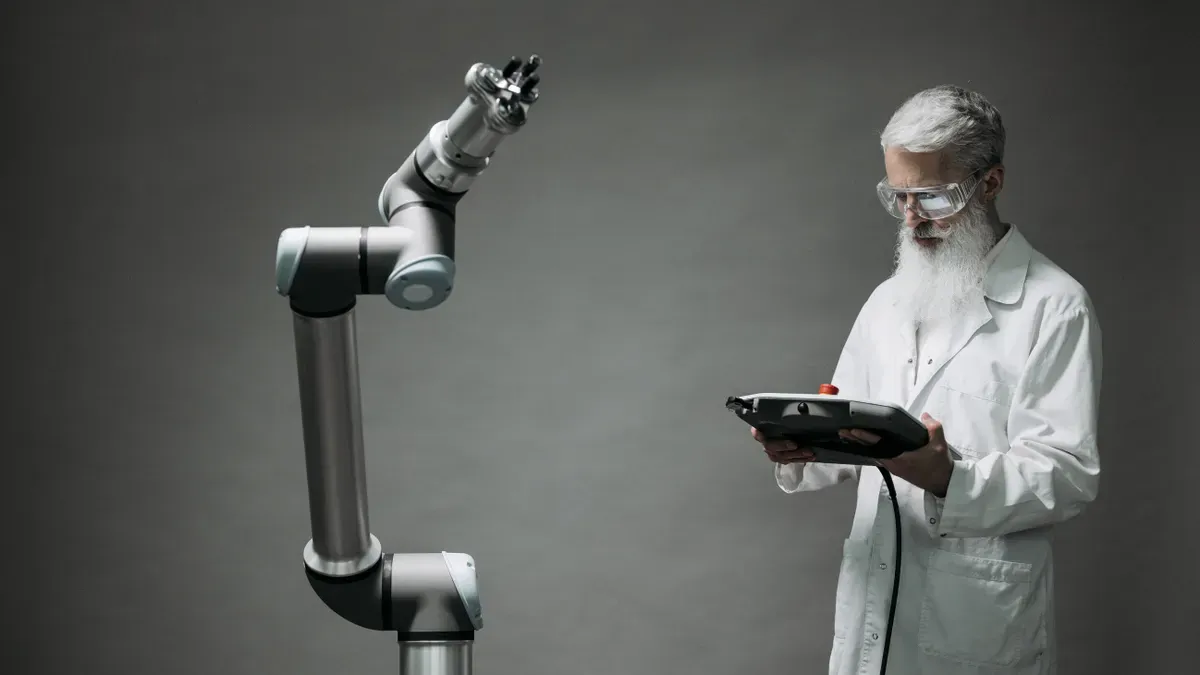
AI inspection PCBA systems significantly enhance accuracy in defect detection. Traditional inspection methods often struggle with subtle defects, leading to missed issues that can affect product quality. In contrast, AI-driven systems utilize advanced algorithms to analyze images and identify defects with remarkable precision. Studies show that AI systems improve defect detection rates and reduce inspection times compared to conventional methods. For instance, a recent study titled “AI-Driven Quality Control in PCB Manufacturing” found that AI systems not only enhance production efficiency but also match or exceed traditional systems in accuracy during real trials.
Study Title | Findings | Link |
|---|---|---|
AI-Driven Quality Control in PCB Manufacturing | AI systems improve defect detection rates, reduce inspection times, and enhance production efficiency compared to traditional methods. | Link |
Automatic printed circuit board inspection: a comprehensible survey | Highlights limitations in dataset sizes for AI approaches but notes improvements in accuracy rates over time. | Link |
AI quality inspection for electronics manufacturing | Reports that AI detection accuracy matches or exceeds traditional systems in real trials. | Link |
Reduced False Positives
One of the most significant advantages of AI inspection PCBA systems is their ability to reduce false positive rates. Traditional rule-based inspection methods often generate numerous false alerts, leading to unnecessary rework and wasted resources. AI models adapt to variations in lighting, components, and layouts, improving defect detection accuracy. Research indicates that AI can achieve a 60 to 80 percent reduction in false positive rates compared to rule-based automated optical inspection (AOI). This reduction enhances the credibility of the inspection process, allowing operators to trust the alerts provided.
The reduction in false positives leads to increased trust in alerts from the inspection system.
Operators are more likely to engage with the inspection process when they can rely on the alerts provided.
Real-Time Monitoring
Real-time monitoring capabilities of AI inspection systems further enhance defect detection. These systems can detect subtle defects such as solder bridges, cold solder joints, and misaligned components that traditional methods often miss. By providing real-time analytics, AI-driven tools improve throughput metrics, allowing for faster and more efficient inspections. Tools like Kompass™ and Nagare™ utilize deep learning to enhance inspection accuracy and efficiency.
AI-driven systems improve product reliability and reduce manufacturing costs by minimizing false positives and missed defects.
AI models can identify low-contrast defects, such as lifted leads on QFPs and tombstoned passives, which are often overlooked by traditional inspection methods.
Incorporating AI inspection PCBA into your manufacturing processes not only boosts accuracy but also streamlines operations, ensuring that you maintain high-quality standards in your products.
AI Inspection PCBA for BOM Management
Streamlined Processes
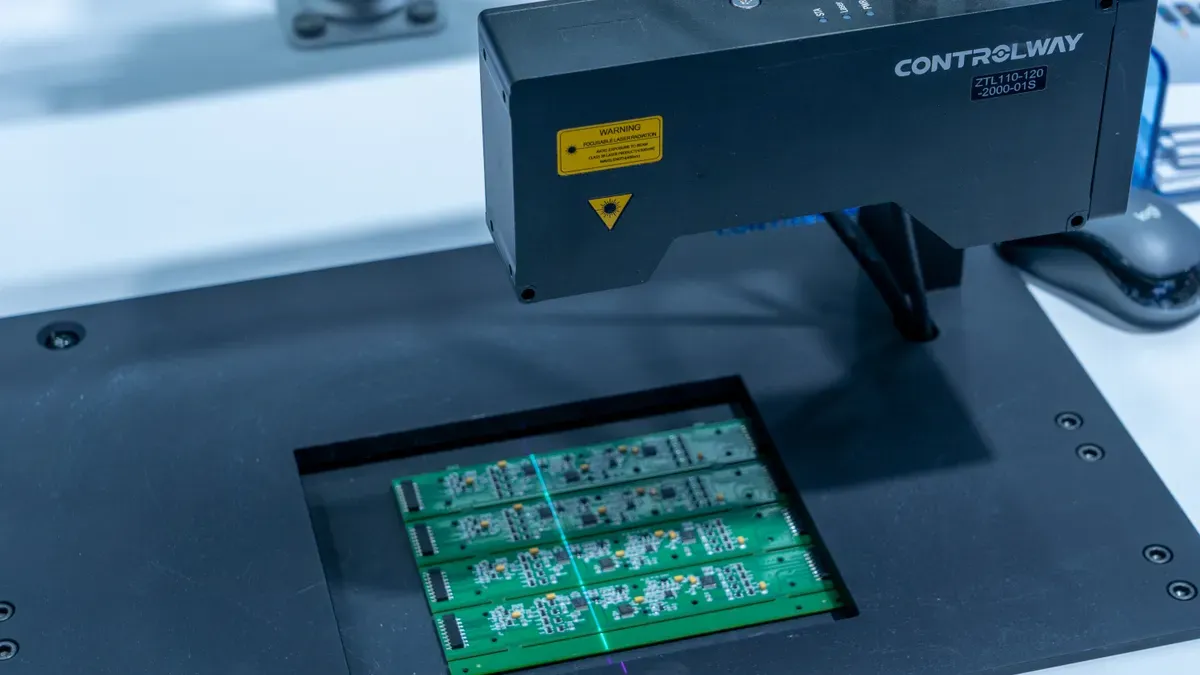
AI inspection PCBA systems streamline your Bill of Materials (BOM) management processes. By automating the tracking and verification of components, you reduce manual errors and save time. These systems allow you to:
Quickly identify discrepancies between the BOM and actual inventory.
Automate updates to the BOM as components change or are replaced.
Enhance collaboration among teams by providing real-time access to BOM data.
With these improvements, you can focus on production rather than paperwork. This efficiency leads to faster project turnaround times and better resource allocation.
Improved Data Management
Effective data management is crucial in today’s fast-paced manufacturing environment. AI inspection PCBA enhances your ability to manage data by:
Centralizing information in a single platform, making it easier to access and analyze.
Utilizing advanced analytics to predict component shortages or surpluses, allowing for proactive decision-making.
Ensuring compliance with industry standards and certifications, which is vital for maintaining quality and safety in your products.
By leveraging AI for data management, you can make informed decisions that drive your production efficiency and product quality.
System Integration
Integrating AI inspection PCBA systems with your existing manufacturing infrastructure is essential for maximizing their benefits. These systems can seamlessly connect with:
Enterprise Resource Planning (ERP) systems to synchronize inventory and production schedules.
Manufacturing Execution Systems (MES) to monitor real-time production data and quality metrics.
Supply Chain Management (SCM) tools to enhance procurement processes and supplier collaboration.
This integration ensures that all aspects of your manufacturing process work together harmoniously. It allows you to respond quickly to changes in demand and maintain a competitive edge in the electronics sector.
Incorporating AI inspection PCBA into your BOM management not only enhances efficiency but also supports your overall manufacturing strategy. By adopting these advanced technologies, you position your plant for success in a rapidly evolving market.
Improving Throughput with AI
Faster Inspection Cycles
AI inspection systems significantly accelerate inspection cycles in PCBA processes. By leveraging advanced algorithms, these systems can reduce inspection times by up to 70%. This efficiency allows you to maintain a rapid production pace, meeting the increasing demands of the market. With faster inspection cycles, you can quickly identify defects and address them before they escalate into larger issues.
Metric | Improvement |
|---|---|
Inspection Time Reduction | Up to 70% shorter |
False Calls Reduction | Up to 80% fewer |
Increased Production Capacity
Implementing AI inspection not only speeds up inspections but also enhances your overall production capacity. Here are some key benefits:
AI-driven quality control systems improve defect detection rates.
They significantly reduce inspection times, allowing for more products to be processed.
Overall production throughput increases when AI systems are utilized.
Additionally, early defect detection leads to higher yield rates, minimizing rework and scrap. This consistent quality across production lines ensures that you meet customer expectations without compromising on standards.
Cost Efficiency
Cost efficiency is a critical factor in today’s competitive manufacturing landscape. By adopting AI inspection, you can achieve substantial savings. For instance, Siemens Rastatt reported a 42% increase in first pass yield (FPY) after implementing AI inspection for PCBA processes. This improvement translates into significant cost savings due to reduced overhead and losses from false calls and manual inspections.
Aspect | AI Inspection | Traditional Inspection |
|---|---|---|
Detection Accuracy | Exceeding 99% | Variable |
Speed | Significantly faster | Slower |
Labor Costs | Reduced | Higher |
Adaptability | High adaptability for complex defects | Limited adaptability |
By integrating AI inspection into your manufacturing processes, you not only enhance throughput but also position your plant to thrive in a fast-paced market. Embracing these technologies allows you to respond effectively to customer demands while maintaining cost efficiency.
Adopting AI inspection in your Mexican manufacturing plant offers numerous advantages. You enhance product quality through precise defect detection and reduce false positives. Efficiency improves with faster inspection cycles and streamlined BOM management. This technology positions you competitively in the electronics sector.
Key Benefits of AI Inspection:
Improved accuracy in defect detection
Increased production capacity
Significant cost savings
Embrace AI inspection to elevate your manufacturing processes and meet the demands of a rapidly evolving market.
FAQ
What is AI inspection PCBA?
AI inspection PCBA refers to the use of artificial intelligence technologies to enhance the inspection processes of printed circuit board assemblies. This technology improves defect detection, reduces false positives, and streamlines production efficiency.
How does AI inspection improve defect detection?
AI inspection improves defect detection by utilizing advanced algorithms that analyze images with high precision. These systems can identify subtle defects that traditional methods often miss, ensuring higher product quality.
Can AI inspection PCBA integrate with existing systems?
Yes, AI inspection PCBA systems can seamlessly integrate with existing manufacturing infrastructure, including ERP and MES systems. This integration enhances data flow and improves overall production efficiency.
What are the cost benefits of using AI inspection?
Implementing AI inspection can lead to significant cost savings. By improving first pass yield and reducing manual inspection efforts, manufacturers can lower overhead costs and minimize waste.
How does AI inspection impact production capacity?
AI inspection enhances production capacity by speeding up inspection cycles and improving defect detection rates. This allows manufacturers to process more products efficiently, meeting market demands effectively.
See Also
Tailored AI PCBA Solutions for Electronics Firms in Mexico
Original Equipment Manufacturer AI PCBA for Polish Electronics
Bespoke AI PCBA Services for Czech Industrial Electronics