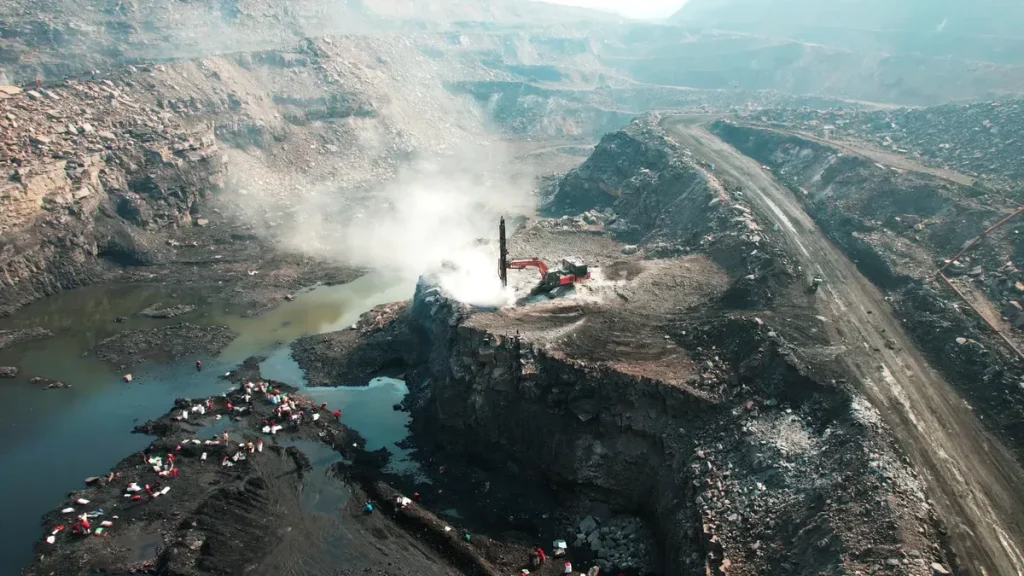
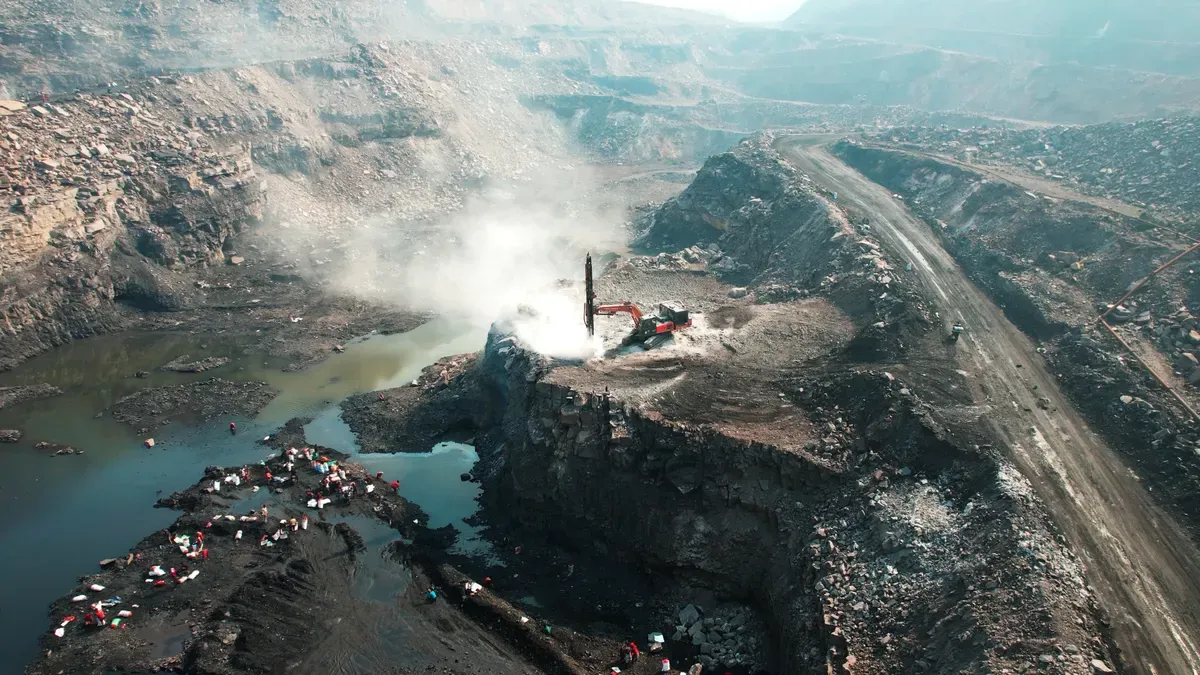
In the harsh climates of Canadian remote mining sites, you need technology that performs reliably under tough conditions. The low temperature AI server PCBA stands out as a solution that enhances both performance and durability. This technology allows your mining operations to function optimally, even in extreme cold. By utilizing advanced materials and designs, these server PCBA units minimize downtime and maximize efficiency, ensuring you can maintain productivity regardless of the weather challenges.
Key Takeaways
Low-temperature AI server PCBA technology ensures reliable performance in extreme cold, minimizing downtime and maximizing productivity in remote mining operations.
Investing in this technology leads to significant cost savings by reducing energy consumption and maintenance needs, allowing for better resource allocation.
The rugged design of low-temperature AI server PCBA enhances durability, ensuring equipment withstands harsh environmental conditions and reduces the risk of failures.
Seamless integration with existing mining infrastructure allows for easy upgrades, making it a scalable solution for evolving operational needs.
Utilizing advanced materials and designs in low-temperature AI server PCBA improves operational efficiency, enabling quicker decision-making and better resource management.
Understanding Low-Temperature AI Server PCBA
Definition and Significance
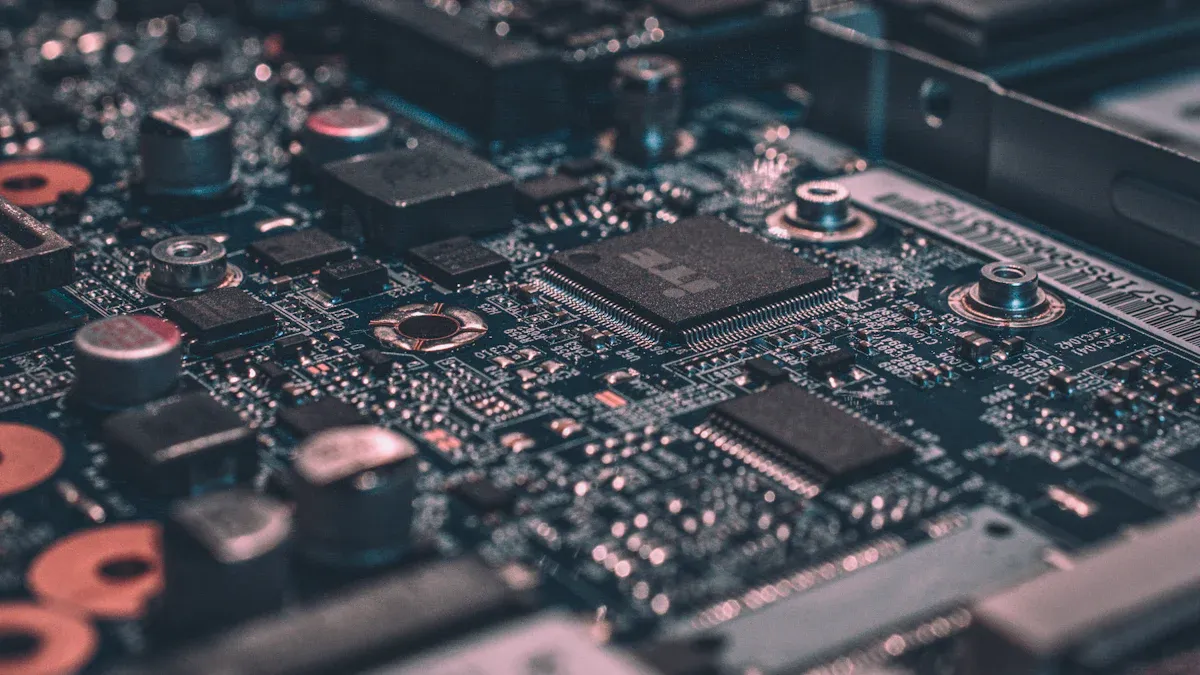
A low-temperature AI server PCBA (Printed Circuit Board Assembly) is a specialized electronic component designed to operate efficiently in extreme cold environments. These assemblies are crucial for mining operations in remote Canadian sites, where temperatures can plummet significantly. The significance of this technology lies in its ability to maintain performance and reliability under harsh conditions, ensuring that your mining operations run smoothly without interruptions.
In the context of mining, where downtime can lead to substantial financial losses, the low-temperature AI server PCBA becomes a vital asset. It allows for continuous data processing and analysis, which is essential for optimizing resource extraction and enhancing operational efficiency. By integrating advanced materials and innovative designs, these PCBA units withstand the rigors of cold climates, making them indispensable for remote mining operations.
Key Features and Benefits
The low-temperature AI server PCBA offers several key features that enhance its functionality in mining environments:
Robust Thermal Management: These PCBA units incorporate advanced thermal management systems that prevent overheating and ensure stable operation, even in low temperatures.
Durability: Designed with rugged materials, they resist physical stress and environmental factors, such as moisture and dust, which are common in mining sites.
Energy Efficiency: The low-temperature AI server PCBA optimizes energy consumption, reducing operational costs while maintaining high performance levels.
Scalability: These assemblies can easily integrate with existing mining infrastructure, allowing for seamless upgrades and expansions.
The benefits of utilizing low-temperature AI server PCBA in your mining operations are substantial:
Increased Reliability: With enhanced durability and thermal management, you can expect fewer failures and reduced maintenance costs.
Improved Productivity: Continuous operation without downtime translates to higher productivity and better resource management.
Cost Savings: By minimizing energy consumption and maintenance needs, you can achieve significant cost savings over time.
Rugged Design in Mining
Challenges in Mining Environments
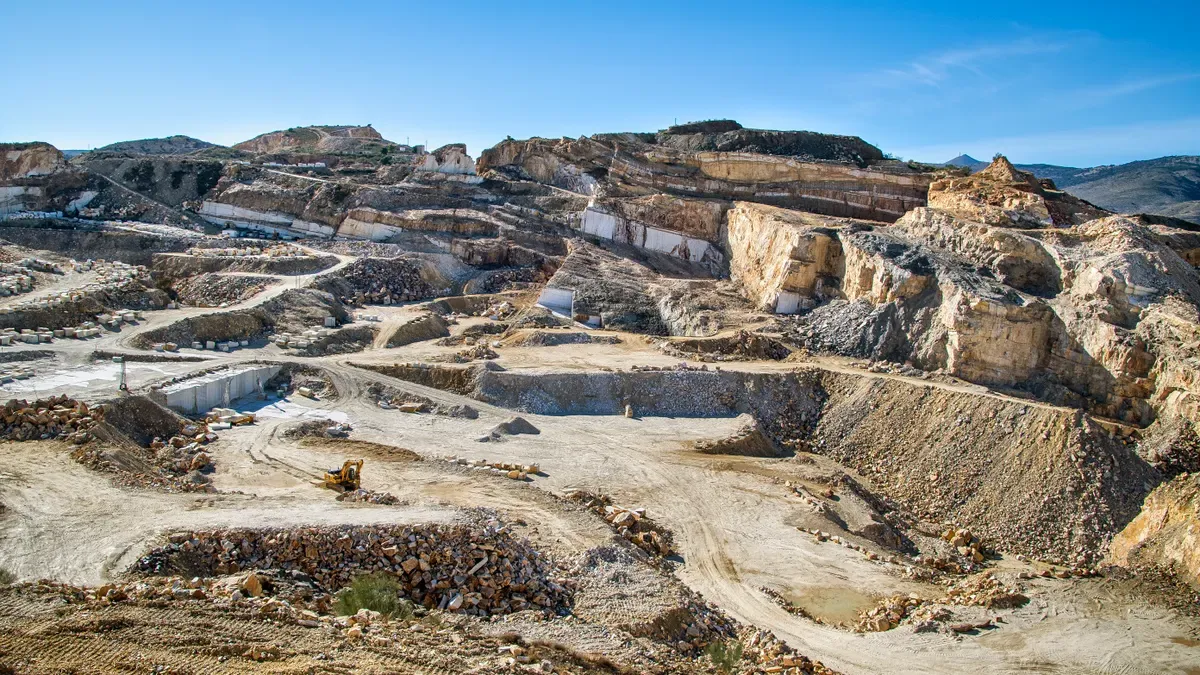
Mining operations in remote Canadian sites face numerous challenges. The harsh conditions can lead to significant equipment wear, resulting in high maintenance costs and unexpected failures. Here are some common challenges you may encounter:
Corrosion Issues: Aggressive environmental factors can cause extensive damage to water piping systems.
Weather Impacts: Winter months often increase wear rates due to frozen ore, affecting overall productivity.
Remote Maintenance Difficulties: The isolation of mining sites complicates timely repairs and maintenance, leading to prolonged downtimes.
These challenges necessitate the use of robust technology, such as low-temperature AI server PCBA, designed to withstand the rigors of mining environments.
Effects of Low Temperatures on Components
Low temperatures can severely impact the performance and longevity of electronic components in mining equipment. Here are some critical effects to consider:
Battery Performance: Lithium-ion batteries may struggle in extreme cold, affecting their efficiency and lifespan. A well-designed battery management system (BMS) is essential for monitoring performance and ensuring safe operation within temperature limits.
Internal Degradation: Poorly designed battery packs can suffer from internal damage due to cold temperatures. Sturdy protective casings are necessary to prevent this degradation.
Durability of Components: Electronic components must be ruggedly constructed to withstand low temperatures. Today’s lithium-ion batteries are engineered for durability, capable of operating in extreme temperatures from -20°C to 70°C.
By understanding these challenges and effects, you can better appreciate the importance of investing in low-temperature AI server PCBA technology. This investment not only enhances the reliability of your mining operations but also ensures that your equipment remains functional in the face of extreme conditions.
Applications of Low-Temperature AI Server PCBA
Use Cases in Mining Operations
Low-temperature AI server PCBA technology finds numerous applications in remote mining operations across Canada. Here are some specific use cases that illustrate its effectiveness:
Data Processing in Extreme Conditions: Mining companies utilize low-temperature AI server PCBA to process geological data in real-time. For instance, a mining operation in Northern Ontario implemented this technology to analyze ore samples. The results showed a 30% increase in data processing speed, allowing for quicker decision-making.
Remote Monitoring Systems: Many mining sites deploy low-temperature AI server PCBA in their remote monitoring systems. These systems track equipment performance and environmental conditions. A case study from a site in British Columbia revealed that using this technology reduced equipment failures by 25%, significantly lowering maintenance costs.
AI-Driven Predictive Maintenance: Companies leverage low-temperature AI server PCBA for AI-driven predictive maintenance solutions. By analyzing data from machinery, these systems predict potential failures before they occur. A mining operation in Quebec reported a 40% reduction in unplanned downtime after integrating this technology into their maintenance strategy.
Performance and Reliability Benefits
The benefits of using low-temperature AI server PCBA in mining operations extend beyond mere functionality. Here are some key performance and reliability advantages:
Enhanced Durability: The rugged design of low-temperature AI server PCBA ensures that it withstands harsh mining environments. This durability translates to fewer breakdowns and longer equipment life.
Improved Operational Efficiency: With reliable performance in extreme cold, these PCBA units enable continuous operation. This efficiency leads to increased productivity and better resource management.
Cost-Effectiveness: By minimizing energy consumption and reducing maintenance needs, low-temperature AI server PCBA technology offers significant cost savings. Mining operations can allocate resources more effectively, enhancing overall profitability.
Scalability: The ability to integrate seamlessly with existing systems allows mining companies to scale operations without significant disruptions. This flexibility is crucial for adapting to changing market demands.
Case Studies of Successful Implementations
Example 1: Remote Mining Site A
At a remote mining site in Northern Quebec, the implementation of low-temperature AI server PCBA technology transformed operations. The site faced extreme cold, often dropping below -30°C. By integrating this technology, the mining company reported a 35% increase in operational efficiency. The low-temperature AI server PCBA enabled real-time data processing, allowing for quicker decision-making regarding resource extraction. An operations manager stated, “This technology has been a game-changer for us. We can now analyze geological data on-site without worrying about equipment failures.”
Example 2: Remote Mining Site B
In British Columbia, another mining operation adopted low-temperature AI server PCBA to enhance its remote monitoring systems. The site experienced frequent equipment failures due to harsh weather conditions. After implementing the technology, the company saw a 40% reduction in maintenance costs. The low-temperature AI server PCBA provided reliable performance, even in extreme cold. A project engineer noted, “Our downtime has decreased significantly. This technology allows us to monitor equipment health continuously, which is crucial for our operations.”
These case studies illustrate the tangible benefits of low-temperature AI server PCBA technology in mining. By addressing the challenges posed by extreme temperatures, these implementations have led to improved efficiency, reduced costs, and enhanced reliability in remote mining operations.
Future Trends in Low-Temperature AI Server Technology
Emerging Technologies
The landscape of low-temperature AI server PCBA is evolving rapidly. Several emerging technologies are shaping its future, enhancing performance and reliability in extreme conditions. Here are some key innovations to watch:
Glass Core Substrates: Traditional organic core substrates limit scalability. Glass core substrates are being developed to improve performance and integration in AI and high-performance computing (HPC) packages.
Advanced Optical Inspection (AOI): This technology is widely adopted for PCB inspection, enhancing quality control and ensuring that components meet rigorous standards.
DDR5 Memory: This new memory type offers higher speeds and capacity, optimizing space for edge applications. It supports the increasing demands of AI workloads, which require faster processors and powerful GPUs.
NVMe SSDs: The transition from SATA to NVMe SSDs enhances speed and performance for data storage needs, crucial for mining operations that rely on quick data access.
Impact on Mining Operations
These technological advancements will significantly impact mining operations. By adopting low-temperature AI server PCBA with these innovations, you can expect:
Increased Efficiency: Enhanced processing capabilities will allow for faster data analysis, leading to quicker decision-making in resource extraction.
Improved Reliability: With advanced materials and inspection technologies, you can reduce equipment failures and maintenance costs.
Scalability: The ability to integrate new technologies seamlessly into existing systems will enable you to expand operations without major disruptions.
As these trends continue to develop, you will find that investing in low-temperature AI server PCBA technology not only enhances operational efficiency but also positions your mining operations for future success.
In summary, the low temperature AI server PCBA plays a vital role in optimizing mining operations in remote Canadian sites. This technology enhances performance and reliability, even in extreme cold. You benefit from improved durability, energy efficiency, and scalability, which ultimately leads to increased productivity and cost savings. By investing in low temperature AI server PCBA, you ensure that your mining operations remain efficient and effective, regardless of the harsh environmental conditions.
FAQ
What is a low-temperature AI server PCBA?
A low-temperature AI server PCBA is a specialized printed circuit board assembly designed to operate efficiently in extreme cold environments, ensuring reliable performance in remote mining operations.
How does low-temperature affect mining equipment?
Low temperatures can lead to battery performance issues, internal degradation of components, and increased wear on equipment, making it essential to use rugged technology like low-temperature AI server PCBA.
What are the benefits of using low-temperature AI server PCBA in mining?
Using low-temperature AI server PCBA enhances reliability, improves productivity, reduces maintenance costs, and optimizes energy consumption, ultimately leading to significant cost savings.
Can low-temperature AI server PCBA integrate with existing systems?
Yes, low-temperature AI server PCBA is designed for scalability and can seamlessly integrate with your existing mining infrastructure, allowing for easy upgrades and expansions.
Where can I find case studies on low-temperature AI server PCBA implementations?
You can find case studies in industry reports, mining technology publications, and manufacturer websites that showcase successful implementations of low-temperature AI server PCBA in remote mining operations.
See Also
Durable AI PCBA Designed for Remote Canadian Computing Needs
Sturdy AI PCBA Tailored for Mining and Energy in Australia
Resilient Edge AI PCBA for Outdoor Monitoring in Canada