
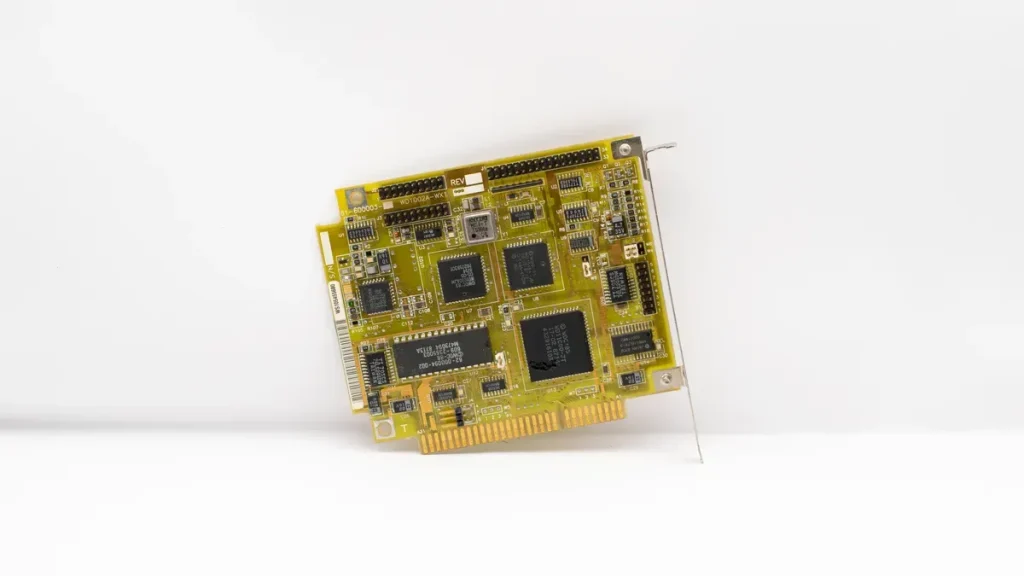
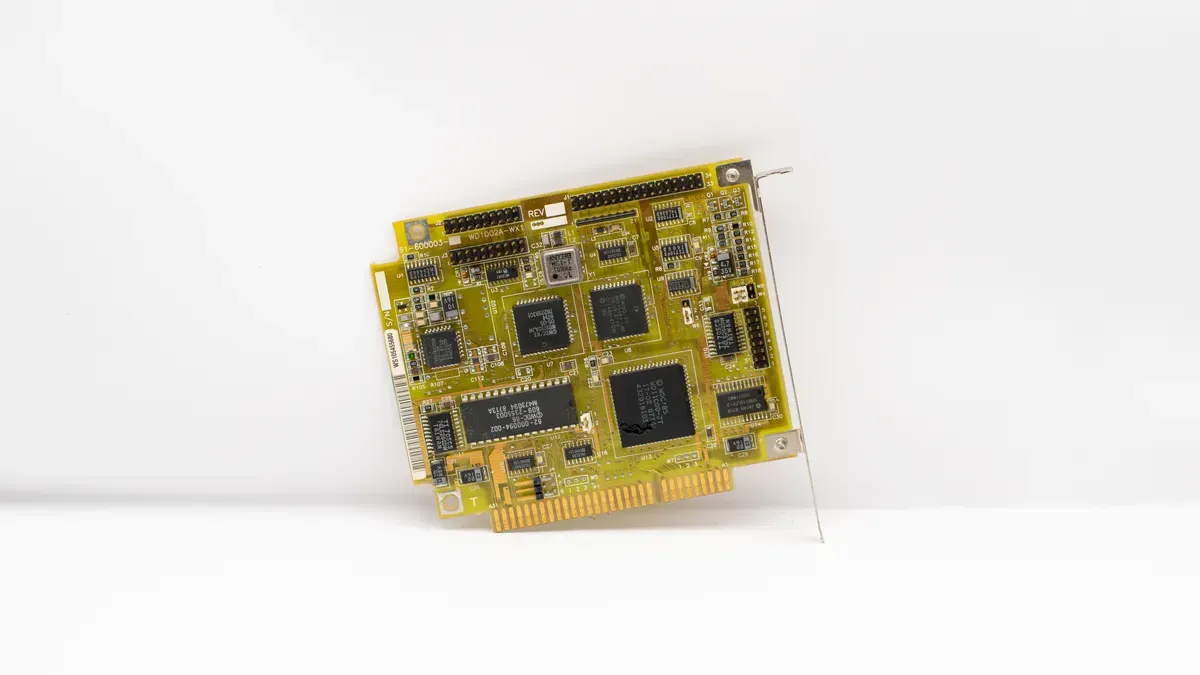
AI inference server PCBs play a pivotal role in the evolution of edge computing, especially within the UK. These boards significantly enhance signal integrity, crucial for maintaining optimal performance in demanding environments. By reducing heat generation, they contribute to the reliability and longevity of systems deployed in smart cities and IoT applications.
Understanding assembly practices is essential. Proper assembly ensures that these PCBs can efficiently integrate with 5G networks, facilitating faster data transfer and processing. The use of advanced materials and thermal management techniques further bolsters their performance, making them indispensable for your edge computing projects.
Key Takeaways
AI inference server PCBs enhance performance in edge computing by improving signal integrity and reducing heat generation.
Proper assembly practices are crucial for integrating components like GPUs and CPUs, ensuring efficient operation in demanding environments.
Effective power management strategies can significantly reduce energy consumption, making your AI inference servers more efficient.
Understanding UK regulations and supply chain dynamics is essential for smooth PCB assembly and compliance with safety standards.
Adopting best practices during assembly can enhance the reliability and longevity of AI inference servers, preventing costly failures.
AI Server Components

GPU and CPU Assemblies
In AI inference servers, the assembly of GPU and CPU components is crucial for optimal performance. You will typically find high-performance GPUs from manufacturers like NVIDIA and AMD, which are essential for processing complex algorithms. These GPUs work alongside CPUs that are designed for lower power consumption while still delivering adequate processing capabilities.
The following table outlines the primary hardware components required for AI inference server PCB assembly:
Component Type | Description |
|---|---|
AI Accelerator Silicon | Includes GPUs from NVIDIA and AMD, custom ASICs from major cloud providers, and challenger architectures. |
High-Bandwidth Memory | Essential layer below compute silicon, benefiting from advancements in memory technology. |
Advanced Packaging | Techniques like CoWoS and SoIC integrate compute and memory dies into physical packages. |
Thermal Management | Transitioning to advanced cooling methods as power demands increase. |
Power Delivery | Evolving from traditional voltages to higher voltage architectures for efficiency. |
Networking Silicon | Critical for data transfer and communication within AI infrastructure. |
Optical Components | Important for high-speed data transmission, especially in edge AI applications. |
Accessory Modules
Accessory modules enhance the functionality of AI inference servers. These modules include system-on-modules and expansion cards, which allow for greater flexibility and scalability in your projects.
The following table highlights common accessory modules integrated into AI inference server PCBs:
Type of Module | Description |
|---|---|
System-on-Modules | Includes COM Express, Embedded SoM, Qseven, etc. |
Expansion Cards | DAQ Cards, Fieldbus Cards, Frame Grabber Cards, etc. |
Graphics Cards and Accelerators | Essential for AI applications and processing. |
Understanding the differences between edge AI inference servers and traditional training servers is vital. AI training servers require substantial computational resources and large storage capacities to manage extensive datasets. In contrast, edge AI inference servers focus on low latency and high throughput for real-time processing. This distinction allows you to tailor your hardware choices based on the specific needs of your application.
By selecting the right components and modules, you can ensure that your AI inference server meets the demands of edge computing effectively.
AI Inference Server PCB Assembly Process
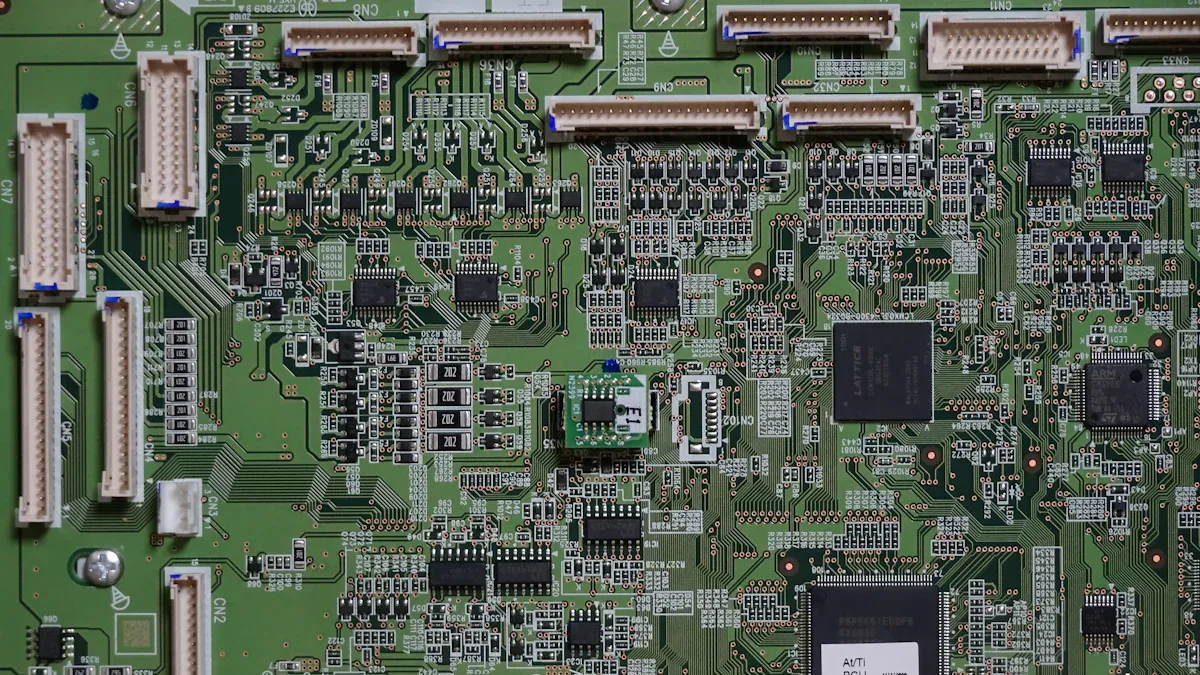
Required Tools
To assemble an AI inference server PCB effectively, you need a range of tools and equipment. Here’s a list of essential items:
Soldering Iron: A high-quality soldering iron is crucial for attaching components to the PCB.
Multimeter: Use this tool to test electrical connections and ensure proper functionality.
Oscilloscope: This device helps you observe the waveform of electronic signals, which is vital for debugging.
Hot Air Rework Station: Ideal for surface mount devices, this tool allows you to reflow solder without damaging components.
ESD Protection Gear: Wear anti-static wrist straps and use mats to prevent electrostatic discharge that can damage sensitive components.
PCB Holder: A PCB holder keeps your board stable during assembly, allowing for precision work.
Assembly Steps
Follow these steps to assemble your AI inference server PCB:
Preparation: Gather all components and tools. Ensure your workspace is clean and organised.
Component Placement: Begin by placing the components on the PCB according to the schematic. Pay attention to orientation, especially for polarized components like capacitors and diodes.
Soldering: Use the soldering iron to attach components to the PCB. Start with smaller components, such as resistors, and work your way up to larger ones like GPUs and CPUs.
Inspection: After soldering, inspect all connections visually. Look for solder bridges or cold joints that could affect performance.
Testing: Use a multimeter to check for continuity and ensure there are no short circuits. This step is crucial for the reliability of your AI inference server.
Firmware Installation: Once the PCB passes inspection, install the necessary firmware. This software is essential for the operation of your AI inference server.
Final Assembly: Assemble the server case, ensuring all components fit securely. Connect any necessary cables and peripherals.
Performance Testing: Finally, run a series of tests to evaluate the performance of your AI inference server. Monitor for any issues that may arise during operation.
By following these steps, you can ensure that your AI inference server PCB is assembled correctly, optimising it for high-performance computing tasks. Remember, attention to detail during assembly directly impacts the efficiency and reliability of your large-scale inference applications.
Best Practices for Edge Computing
Power Management
Effective power management is crucial for optimising the performance of AI inference servers in edge computing environments. You can implement several strategies to enhance energy efficiency:
Hardware-Software Co-Design: Integrate hardware and software to leverage power-saving features effectively. This approach ensures that both components work harmoniously to reduce energy consumption.
Model Optimisation Techniques: Reduce the size and complexity of machine learning models to fit energy constraints. Smaller models require less computational power, which directly translates to lower energy usage.
Dynamic System Management: Manage device behaviour to maximise low-power states and minimise energy use. This involves adjusting the server’s performance based on workload demands.
Platform Choices: Select hardware and software platforms that enhance overall power efficiency. Choosing energy-efficient components can significantly reduce the power footprint of your AI inference server.
AI inference servers typically consume 3 to 10 times more power than traditional servers. For instance, while traditional servers may operate at around 300-500 W, AI servers can reach approximately 2 kW per unit. The following table illustrates this comparison:
Server Type | Power Consumption (per rack) | Power Consumption (per server) |
|---|---|---|
AI Servers | 3 to 10 times more | ~2 kW |
Traditional Servers | N/A | 300-500 W |
AI server PCBs often require more than 20 layers, sometimes reaching up to 30 layers, compared to traditional server PCBs, which usually have 6-16 layers. This complexity arises from the advanced materials and manufacturing processes necessary to support AI computing demands.
Thermal Control
Maintaining optimal operating temperatures is essential for the reliability and performance of AI inference servers. You can adopt several thermal control techniques to manage heat effectively:
Liquid Cooling: This method efficiently removes heat directly at the source, addressing the limitations of air cooling. Custom liquid cold plates are particularly effective for high-power components, managing significant heat generation.
End-to-End Cooling Solutions: Integrate cold plates, liquid loops, manifolds, and cooling distribution units (CDUs) for modular liquid cooling systems. These systems ensure that cooling is tailored to specific AI workloads, optimising thermal performance.
Direct-to-Chip Systems: These systems balance performance, sustainability, and facility integration. They are ideal for edge AI inference nodes where air cooling is insufficient.
Immersion Cooling: This technique is effective in environments with extreme thermal density, allowing for efficient heat transfer. It is particularly suited for compact edge pods where conventional cooling fails.
High-wattage accelerators create localized thermal loads that air cooling cannot manage effectively. Therefore, employing direct-to-chip systems or immersion cooling can significantly enhance the thermal management of your AI inference servers.
Incorporating these best practices not only improves the efficiency of your edge computing projects but also enhances the longevity and reliability of your AI inference servers. As you consider your assembly processes, remember that bonysn’s core advantages in small batch PCBA and rapid prototyping can provide you with the flexibility and speed necessary to adapt to these evolving demands.
“In the rapidly changing landscape of AI computing, staying ahead requires not just innovation but also a commitment to efficiency and sustainability.” – Industry Expert
By implementing these strategies, you can ensure that your AI inference servers operate at peak performance while managing power and thermal challenges effectively.
UK Market Considerations for PCBs
Regulatory Compliance
When you engage in PCB assembly for AI inference servers in the UK, you must navigate various regulatory frameworks. Compliance with the UK’s Electronics and Electrical Equipment (EEE) regulations is essential. These regulations ensure that products meet safety and environmental standards. You should also consider the Waste Electrical and Electronic Equipment (WEEE) Directive, which mandates proper disposal and recycling of electronic waste.
Brexit has introduced additional complexities. The departure from the EU’s Single Market affects the import and export of components. You may face increased tariffs and customs checks, which can delay your supply chain. Understanding these regulations will help you avoid costly penalties and ensure smooth operations.
Supply Chain Factors
The supply chain landscape for PCB assembly has changed significantly. You must be aware of the increasing lead times for components, which are now influenced by shortages of essential materials. The rising demand for AI infrastructure has placed considerable pressure on the global supply chain. For instance, the lead times for advanced AI-class PCBs can range from 12 to 20 weeks, compared to just 3 to 5 weeks for standard FR-4 PCBs.
Type of PCB | Lead Time (Weeks) |
|---|---|
Standard FR-4 | 3-5 |
Advanced AI-class | 12-20 |
Specific Material Requirements | Longer |
Delays in PCB production can halt server assembly, pushing back data centre commissioning. This situation can have direct revenue consequences for companies needing to deliver AI services on time. You must plan your projects with these factors in mind to mitigate risks and ensure timely delivery.
By staying informed about regulatory compliance and supply chain dynamics, you can enhance the efficiency of your PCB assembly processes. This knowledge will empower you to navigate the complexities of the UK market effectively.
In summary, proper assembly practices for AI inference server PCBs are vital for successful edge computing projects. Adhering to these practices enhances the durability and cost-effectiveness of your systems. Effective assembly methods prevent issues like solder voids and weak connections, which can lead to failures and increased maintenance costs.
Lifespan of AI Inference Server PCBs |
|---|
Minimum of 3-5 years |
Environmental factors in the UK, such as humidity and temperature fluctuations, can impact performance. Therefore, you must consider these elements during assembly. By staying informed and adopting best practices, you can ensure the reliability of your AI inference servers. Explore further resources to keep up with advancements in this rapidly evolving field.
“Investing in quality assembly today leads to significant savings tomorrow.” – Industry Expert
FAQ
What is an AI inference server?
An AI inference server processes data using pre-trained machine learning models. It delivers real-time predictions and insights, making it essential for applications like video analysis and IoT.
How do I choose the right components for my AI inference server?
Select components based on your specific application needs. Consider factors like processing power, memory requirements, and thermal management capabilities to ensure optimal performance.
What are the benefits of edge computing?
Edge computing reduces latency by processing data closer to the source. This approach enhances response times and decreases bandwidth usage, making it ideal for real-time applications.
How can I ensure compliance with UK regulations?
Familiarise yourself with the UK’s Electronics and Electrical Equipment (EEE) regulations and the Waste Electrical and Electronic Equipment (WEEE) Directive. Compliance ensures safety and environmental standards are met.
What are common challenges in PCB assembly for AI servers?
Challenges include managing complex designs, ensuring thermal control, and navigating supply chain delays. Staying informed about industry trends can help mitigate these issues effectively.
See Also
PCBA Solutions for AI Health Devices in the UK
PCB Production for AI Servers in American GPU Firms
Tailored Edge AI PCBA Services for US Startups