Turnkey AI PCBA solutions revolutionise the way Irish MedTech and IoT hardware companies approach development and production. You can achieve unparalleled efficiency by automating PCB assembly processes while ensuring superior reliability. AI medical PCBA technology empowers you to create smarter devices, enabling innovations in healthcare and connected systems. The growing demand for advanced solutions in Ireland highlights the need for intelligent systems to streamline operations, reduce errors, and optimise performance.
Key Takeaways
AI PCBA solutions automate processes, increasing production speed and reducing labour costs, allowing companies to focus on innovation.
Enhanced quality control through AI ensures higher accuracy in defect detection, leading to fewer recalls and improved product reliability.
AI-driven systems provide predictive maintenance, minimising downtime and ensuring continuous production, which is crucial for meeting market demands.
Integrating AI into medical devices and IoT applications enhances functionality, enabling smarter healthcare solutions and improved patient outcomes.
Investing in AI PCBA technology positions your company as a leader in efficient manufacturing, driving growth in the MedTech and IoT sectors.
AI Medical PCBA in PCB Assembly
Automation and Efficiency
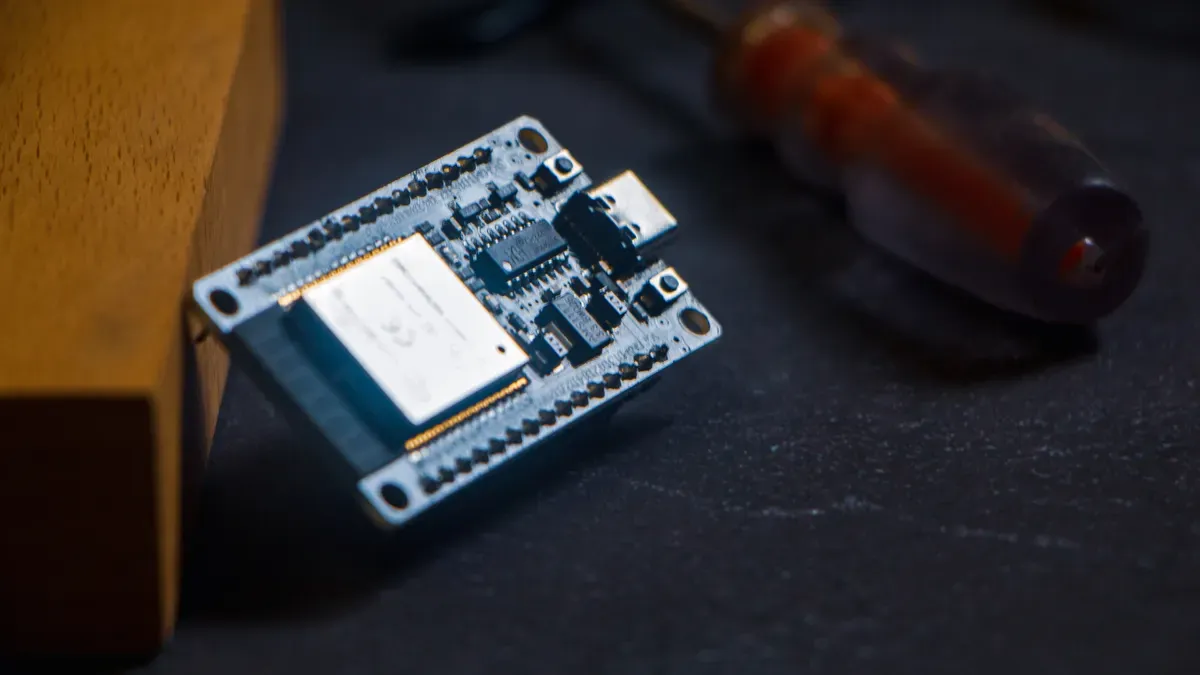
Integrating AI into PCB assembly transforms how you design and manufacture medical devices. Automation streamlines processes, allowing you to focus on innovation rather than repetitive tasks. AI medical PCBA solutions enhance efficiency by optimising workflows and reducing the time required for assembly. With AI-driven systems, you can expect:
Faster Production: Automated processes significantly increase throughput. You can produce more units in less time, meeting the growing demand in the MedTech sector.
Reduced Labour Costs: Automation decreases reliance on manual labour, leading to lower operational costs. This allows you to allocate resources to other critical areas of development.
Optimised Design: AI algorithms analyse design parameters, ensuring that your PCBs are not only functional but also cost-effective.
Quality Control and Reliability
Quality control is paramount in the medical field. AI medical PCBA enhances reliability through advanced inspection techniques. AI systems can detect defects that human inspectors might overlook. This leads to higher quality products and fewer recalls. Key benefits include:
Improved Accuracy: AI-powered inspection systems provide precise measurements and assessments. This reduces the likelihood of errors in the final product.
Predictive Maintenance: AI can predict when equipment is likely to fail, allowing you to perform maintenance before issues arise. This proactive approach minimises downtime and ensures continuous production.
Data-Driven Decisions: AI systems collect and analyse data throughout the assembly process. This information helps you make informed decisions, improving overall product quality.
To illustrate the advantages of AI-powered PCB assembly lines, consider the following comparison:
Feature | AI-Powered PCB Assembly Lines | Traditional Methods |
|---|---|---|
Efficiency | Enhanced through automation | Limited by manual processes |
Accuracy | Improved via AI inspection | Prone to human error |
Throughput | Higher due to optimised design | Slower due to manual tasks |
Error Reduction | Significant due to predictive maintenance | Moderate, reliant on manual checks |
By adopting AI medical PCBA solutions, you position your company at the forefront of innovation in the MedTech industry. The combination of automation and rigorous quality control not only enhances your product offerings but also builds trust with your customers.
MedTech Applications
Medical Devices
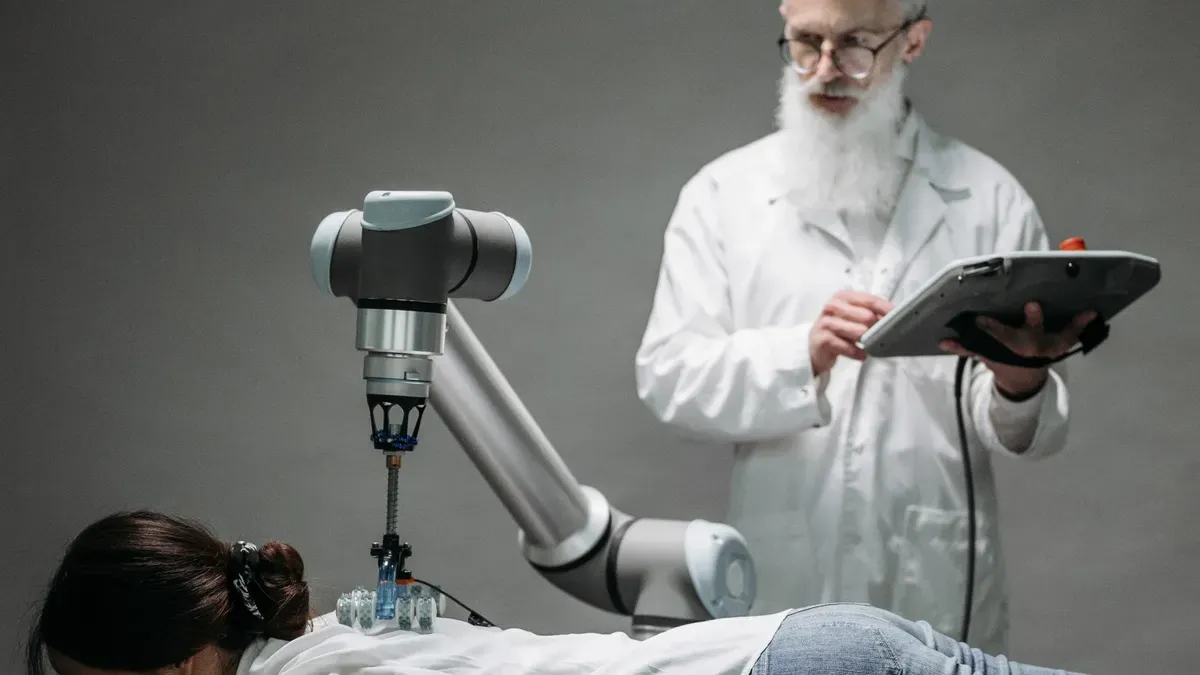
AI medical PCBA technology plays a pivotal role in advancing medical devices and laboratory equipment. You can leverage AI to design and manufacture devices that offer precision and reliability. AI algorithms optimise PCB layouts, ensuring compact designs that meet stringent healthcare standards. This technology enables the development of devices such as portable diagnostic tools, wearable monitors, and laboratory analysers.
AI-driven systems also enhance device functionality. For example, AI-powered laboratory equipment can process large datasets quickly, enabling faster and more accurate results. This capability supports critical applications like blood analysis and genetic testing, where speed and precision are essential. By integrating AI into medical devices, you can improve patient outcomes and streamline healthcare operations.
AI Monitoring Modules
AI monitoring modules revolutionise real-time patient care. These modules analyse continuous data streams from wearable devices and IoMT sensors, tracking vital signs such as heart rate, blood pressure, and oxygen levels. They detect anomalies and alert healthcare providers to potential issues, enabling proactive care management.
Key benefits of AI monitoring modules include:
Anomaly Detection: AI identifies irregularities in biometric data, allowing for early intervention.
Personalised Care: Real-time data analysis enables tailored adjustments to treatment plans.
Predictive Insights: AI predicts adverse events, helping you prevent complications before they arise.
Studies demonstrate the effectiveness of AI monitoring modules in improving patient outcomes:
Study Title | Findings | Link |
|---|---|---|
Clinical evaluation of Artificial Intelligence Driven Remote Monitoring technology for assessment of patient oral hygiene during orthodontic treatment | High specificity (94–99%) and very high positive predictive value (95–98%) in detecting hygiene issues. | Link |
Artificial intelligence with counselling on the treatment outcomes and quality of life in periodontitis patients | Significant improvements in probing depth, clinical attachment, plaque index, and OHRQoL compared to controls. | Link |
Impact of a smartphone application on oral hygiene during orthodontic treatment | Statistically significant reduction in gingival inflammation in the intervention group. | Link |
By adopting AI monitoring modules, you can enhance patient care, reduce hospital visits, and improve overall healthcare efficiency. These modules empower healthcare providers to deliver personalised and timely interventions, ensuring better health outcomes.
IoT Applications
Smart Home Devices
Smart home devices have become integral to modern living, enhancing convenience and security. You can integrate AI into these devices to create intelligent systems that learn from user behaviour. For instance, smart thermostats adjust temperatures based on your preferences, while AI-powered security cameras can distinguish between familiar faces and potential intruders. This level of automation not only improves user experience but also optimises energy consumption, leading to cost savings.
The integration of AI in smart home devices offers several advantages:
Enhanced Security: AI algorithms analyse video feeds in real-time, providing alerts for unusual activities.
Energy Efficiency: Smart devices monitor usage patterns, allowing for automatic adjustments that reduce energy waste.
User Personalisation: These devices adapt to your routines, making daily tasks more manageable.
Industrial IoT Solutions
In industrial settings, IoT solutions play a crucial role in improving operational efficiency. AI medical PCBA technology contributes significantly to this sector by enabling predictive maintenance. Digital twins assess system performance, visualising states, inputs, outputs, and faults. This capability aids in real-time decision-making, ensuring that you can address issues before they escalate.
Condition monitoring techniques, such as vibration analysis and temperature monitoring, help identify early signs of mechanical failures. By implementing machine learning algorithms, you can analyse data to predict failures, reducing emergency shutdowns and enhancing overall system efficiency.
Feature | Traditional Systems | AI-Enhanced IoT Solutions |
|---|---|---|
Maintenance Approach | Reactive | Predictive |
Downtime | Frequent | Minimal |
Data Analysis | Manual | Automated |
By adopting AI-driven industrial IoT solutions, you can streamline operations, reduce costs, and improve productivity. The combination of smart technology and data analytics empowers you to make informed decisions that drive your business forward.
Advantages of AI PCBA
Cost Reduction
AI PCBA solutions significantly reduce costs across the production lifecycle. By automating PCB assembly processes, you minimise labour expenses and eliminate inefficiencies caused by human error. AI systems optimise workflows, ensuring faster production cycles and reducing the need for rework or scrap.
Early Defect Detection: AI-powered inspection systems catch defects early in the assembly process, preventing costly rework and warranty claims.
Scalability: AI systems handle high-volume production without sacrificing accuracy or speed, enabling you to meet growing demand without increasing operational costs.
Energy Efficiency: AI algorithms optimise machine operations, reducing energy consumption and lowering utility expenses.
For example, bonysn’s one-stop PCBA services streamline production by supporting BOM management, board fabrication, assembly, and testing. This integrated approach reduces overhead costs and ensures seamless transitions between production stages.
Cost Factor | Traditional PCB Assembly | AI-Powered PCBA Solutions |
|---|---|---|
Labour Costs | High due to manual work | Reduced through automation |
Defect-Related Expenses | Frequent rework and scrap | Minimal due to early detection |
Production Speed | Slower, limited scalability | Faster, highly scalable |
By adopting AI PCBA, you can allocate resources more effectively, focusing on innovation and market expansion rather than operational inefficiencies.
Tip: Investing in AI PCBA technology not only reduces costs but also positions your company as a leader in sustainable and efficient manufacturing practices.
Enhanced Quality
AI PCBA enhances product quality by ensuring precision and reliability in every stage of PCB assembly. AI eliminates human error, providing consistent and unbiased inspections that guarantee high-quality outputs.
Improved Defect Detection: AI systems, such as deep learning algorithms, analyse high-resolution images to identify surface defects like spurs, mouse bites, short circuits, and open circuits. This reduces false positives and enhances inspection accuracy.
Data-Driven Insights: AI collects and analyses production data, identifying recurring defects and optimising processes to improve PCB reliability.
Predictive Maintenance: AI predicts equipment failures, enabling proactive maintenance and minimising downtime.
The PCBA industry’s shift towards miniaturisation and increased functionality has made traditional inspection methods less effective. AI addresses these challenges by offering advanced defect detection capabilities, ensuring your products meet stringent industry standards.
Quality Metric | Traditional Methods | AI-Driven Systems |
|---|---|---|
Inspection Accuracy | Moderate, prone to errors | High, consistent precision |
Reliability | Variable, human-dependent | Consistent, AI-driven |
False Positive Rates | High due to minor variations | Low, optimised detection |
Bonysn’s AI PCBA services ensure compliance with industry certifications, such as ISO 13485 for medical devices and ISO 9001 for quality management systems. These certifications build trust with your customers and demonstrate your commitment to delivering reliable products.
Note: Enhanced quality not only reduces recalls but also strengthens your brand reputation, fostering customer loyalty and long-term success.
Challenges in AI PCBA Implementation
Sourcing Components
Sourcing genuine components poses a significant challenge in AI PCBA implementation. The demand for high-quality parts often leads to supply chain issues. You must ensure that the components you select are not only reliable but also readily available. Counterfeit components can compromise the integrity of your devices, leading to potential failures. To mitigate these risks, consider the following strategies:
Establish relationships with reputable suppliers.
Conduct thorough audits of your supply chain.
Implement robust tracking systems to monitor component authenticity.
Prototyping to Production
Transitioning from prototyping to mass production presents its own set of challenges. You must balance size, power, and performance while ensuring that your designs meet regulatory and safety compliance. The following obstacles often arise during this critical phase:
Selecting components with stable long-term availability.
Managing thermal issues to prevent overheating.
Integrating wireless connectivity without compromising performance.
Mitigating electromagnetic interference that can disrupt device functionality.
To illustrate these challenges, consider the following comparison of traditional prototyping versus AI-enhanced prototyping:
Aspect | Traditional Prototyping | AI-Enhanced Prototyping |
|---|---|---|
Speed of Iteration | Slower due to manual processes | Faster with automated adjustments |
Component Selection | Limited to available stock | Data-driven choices for optimal performance |
Testing Requirements | Basic functionality tests | Comprehensive validation with AI insights |
By understanding these challenges, you can better prepare for the complexities of AI PCBA implementation. Engaging with industry experts and adhering to standards set by certification bodies can further enhance your approach. For instance, bonysn’s commitment to quality ensures that you receive support throughout the prototyping and production phases, helping you navigate these challenges effectively.
Tip: Prioritising genuine components and robust testing can significantly reduce risks during the transition from prototype to production, ensuring a smoother implementation process.
Adopting turnkey AI PCBA solutions is crucial for you as an Irish MedTech and IoT hardware company. These technologies drive innovation and enhance competitiveness in a rapidly evolving market. Government initiatives, such as the Innovators’ Initiative and the Disruptive Technologies Innovation Fund, support your journey by providing funding for training and transformative research.
By embracing AI PCBA, you position your company to leverage advanced capabilities, improve product quality, and reduce costs. The long-term benefits of these technologies will not only elevate your operations but also contribute to the growth of the MedTech and IoT sectors in Ireland.
Tip: Start exploring AI PCBA solutions today to stay ahead in the competitive landscape!
FAQ
What is AI PCBA?
AI PCBA refers to the integration of artificial intelligence in printed circuit board assembly. This technology automates processes, enhances quality control, and improves efficiency in manufacturing medical and IoT devices.
How does AI improve quality control in PCBA?
AI enhances quality control by using advanced inspection techniques. It detects defects that human inspectors might miss, ensuring higher product reliability and reducing the likelihood of recalls.
What are the benefits of turnkey AI PCBA solutions?
Turnkey AI PCBA solutions streamline the entire production process. They reduce costs, improve efficiency, and enhance product quality, allowing you to focus on innovation and market expansion.
How can I ensure the authenticity of components?
To ensure component authenticity, establish relationships with reputable suppliers. Conduct thorough audits of your supply chain and implement tracking systems to monitor component integrity.
What challenges might I face when implementing AI PCBA?
Challenges include sourcing genuine components and transitioning from prototyping to mass production. You must manage design complexities and ensure compliance with industry standards throughout the process.
See Also
Comprehensive AI PCBA Solutions for Singapore’s IoT and MedTech
Precision AI PCBA Services for Swiss Medical Equipment
Advanced Edge AI PCB Assembly for Canadian Vision Systems
AI Sensor PCBA Solutions for Swedish Industrial Energy Devices