
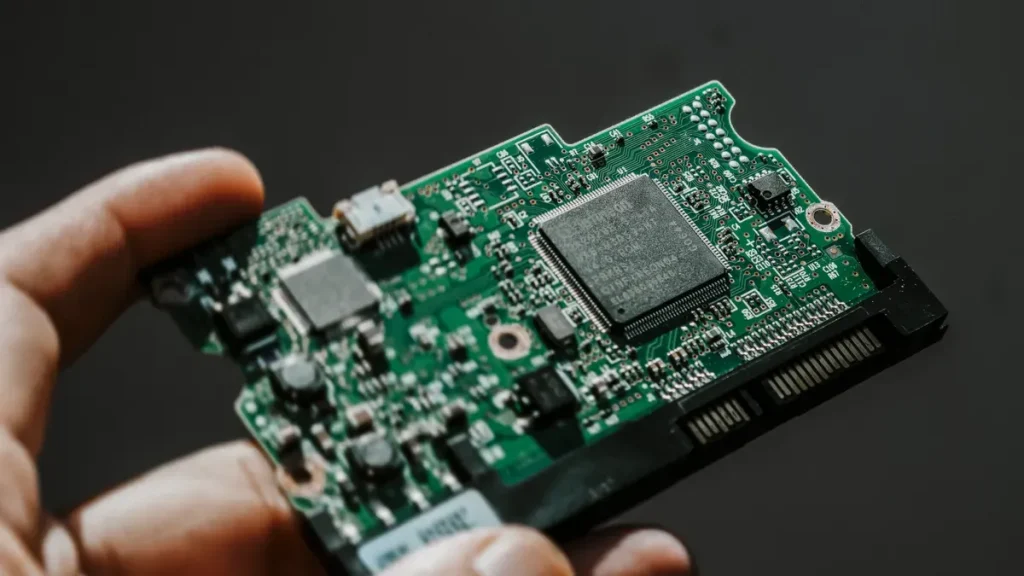
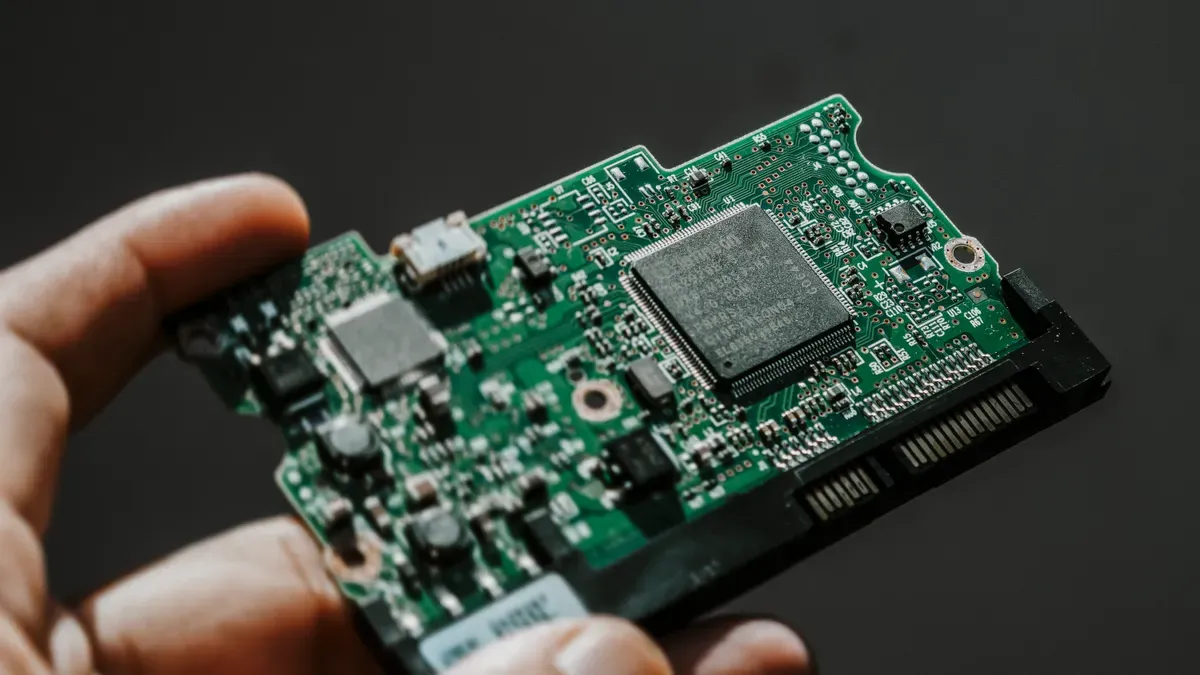
Rugged edge AI PCBA significantly enhances outdoor monitoring capabilities in Canada. You benefit from local data processing that reduces latency, allowing for swift responses to environmental changes. This technology supports real-time decision-making, crucial for monitoring tasks such as climate change tracking and pollution detection. Moreover, rugged edge AI systems thrive in harsh Canadian conditions, ensuring consistent performance even when connectivity falters. Their resilience against environmental challenges empowers you to trust your monitoring solutions, ultimately leading to more effective environmental management.
Key Takeaways
Rugged edge AI PCBA technology enhances outdoor monitoring by processing data locally, which reduces latency and improves response times to environmental changes.
Real-time decision-making capabilities allow for immediate actions in critical situations, such as climate change tracking and pollution detection.
AI drones equipped with rugged edge technology provide accurate wildlife tracking and habitat monitoring, minimizing human disturbance and improving conservation efforts.
In disaster response, edge AI systems operate independently of cloud connectivity, ensuring reliable data analysis and faster response times during emergencies.
Embracing rugged edge AI technology supports sustainability efforts and enhances operational efficiency in challenging outdoor environments.
Rugged Edge AI Features
Local Data Processing
Local data processing stands out as a pivotal feature of rugged edge AI PCBA technology. This capability allows devices to analyze data on-site, minimizing the need for constant cloud connectivity. The advantages of local processing are significant, especially in remote Canadian regions where connectivity can be unreliable. Here are some key benefits:
Advantage | Explanation |
|---|---|
Reduced Latency | Local processing enables immediate reactions, crucial for applications like autonomous driving. |
Improved Data Privacy | Sensitive information is processed locally, minimizing exposure risks associated with data transmission. |
Enhanced Reliability | Systems can operate independently of cloud connectivity, ensuring functionality in remote areas. |
Reduced Bandwidth Consumption | Only relevant data is transmitted, lowering costs and network congestion. |
Power Efficiency | Local processing can be more energy-efficient, important for devices in remote locations. |
This feature has proven effective in various deployments. For instance, the Smart Traffic System in Barcelona, Spain utilizes edge computing to process real-time traffic data locally, leading to reduced congestion and improved public transportation efficiency. Similarly, the Smart Energy Grid in Chattanooga, Tennessee implements edge devices to monitor and optimize energy distribution, enhancing energy efficiency and reducing outage times during disasters.
Real-Time Decision-Making
Real-time decision-making is another critical feature of rugged edge AI PCBA technology. By processing data locally, these systems can make informed decisions almost instantaneously. This capability is vital for applications that require immediate responses, such as environmental monitoring and disaster management.
With AI algorithms running at the edge, you can expect faster insights and actions. For example, in wildlife tracking, edge AI can analyze data from sensors to identify animal movements and behaviors in real-time. This allows for timely interventions, such as protecting endangered species or managing habitats effectively.
The integration of rugged edge AI PCBA technology into outdoor monitoring systems enhances your ability to respond to environmental changes swiftly. By leveraging local processing and real-time decision-making, you can ensure that your monitoring solutions are not only effective but also resilient against the challenges posed by the Canadian outdoors.
Applications in Environmental Monitoring
Climate Change Tracking
Rugged edge AI PCBA technology plays a crucial role in climate change tracking. By utilizing local data processing, you can gather and analyze environmental data in real-time. This capability allows you to monitor temperature fluctuations, precipitation patterns, and other critical climate indicators without relying on distant cloud servers.
For instance, consider a project that implements a real-time remote water monitoring framework. This system uses an energy-efficient LoRa IoT setup to continuously assess water properties. It effectively addresses power consumption challenges while providing valuable insights into flood monitoring and detecting harmful toxins like blue-green algae. Such applications demonstrate how edge AI enhances your ability to track climate change impacts on local ecosystems.
Pollution Detection
Pollution detection is another vital application of rugged edge AI PCBA technology. With the ability to process data locally, you can quickly identify pollution sources and assess their impact on the environment. This capability is essential for maintaining air and water quality in Canadian outdoor settings.
You can deploy edge AI systems equipped with sensors to monitor air quality in urban areas. These systems can detect pollutants such as particulate matter and volatile organic compounds. By analyzing this data in real-time, you can take immediate action to mitigate pollution effects.
Additionally, edge AI can assist in water pollution management. For example, systems can continuously monitor water bodies for contaminants, ensuring that you receive timely alerts about potential hazards. This proactive approach helps protect both human health and local wildlife.
AI Drones for Wildlife Tracking
Habitat Monitoring
AI drones play a vital role in wildlife tracking and habitat monitoring. These advanced tools allow you to gather critical data about animal populations and their environments. With rugged edge AI PCBA technology, drones can process data locally, enabling real-time decision-making. This capability is essential for monitoring habitat conditions, such as water sources and vegetation health. Here are some key benefits of using AI drones for habitat monitoring:
Drone imagery provides wildlife counts that are 43–96% more accurate than those conducted by ground observers.
Drones reduce variability in results, leading to better population estimates and trend data for conservation.
They enable novel perspectives on animal behavior and automate detection through AI-driven image analysis.
Real-Time Object Recognition
Real-time object recognition enhances the capabilities of AI drones in wildlife tracking. By utilizing computer vision algorithms, these drones can identify and track animals efficiently. This technology allows you to monitor tagged animals and assess their movements without disturbing their natural habitats. The advantages of real-time object recognition include:
Drones assist in wildlife tracking by radio-tracking tagged animals.
They speed up data gathering and reduce risks associated with human-wildlife contact.
Local processing minimizes latency, allowing drones to respond quickly to environmental changes.
AI-enhanced drones not only improve the accuracy of habitat monitoring but also provide a safer and more efficient way to study wildlife. By leveraging these technologies, you can contribute to conservation efforts and gain valuable insights into the ecosystems you aim to protect.
Edge AI in Disaster Response
Emergency Situations
In emergency situations, edge AI technology proves invaluable. You can deploy edge devices to gather and analyze data in real-time, allowing for swift responses to disasters such as floods, wildfires, or earthquakes. These systems operate independently of cloud connectivity, ensuring functionality even when communication networks fail.
For example, during a wildfire, edge AI can process data from sensors that monitor temperature and humidity levels. This capability enables you to predict fire spread and deploy resources effectively. A study by the National Institute of Standards and Technology found that using edge AI in disaster scenarios can reduce response times by up to 30%.
Infrastructure Assessment
Edge AI also plays a critical role in assessing infrastructure after a disaster. You can utilize drones equipped with rugged edge AI PCBA technology to inspect damaged buildings and roads. These drones can quickly identify structural weaknesses, allowing you to prioritize repairs and ensure public safety.
Consider the following comparison of traditional assessment methods versus edge AI-driven assessments:
Assessment Method | Time Required | Accuracy Rate |
|---|---|---|
Traditional Inspection | 3-5 days | 70% |
Edge AI Drone Inspection | 1-2 hours | 90% |
The data shows that edge AI significantly improves both the speed and accuracy of infrastructure assessments. By leveraging this technology, you can enhance your disaster response strategies and better protect communities.
Rugged edge AI PCBA technology significantly enhances outdoor monitoring efforts in Canada. By enabling local data processing and real-time decision-making, you can respond swiftly to environmental changes. This technology not only improves operational efficiency but also supports sustainability efforts.
Future trends indicate that the integration of AI into rugged devices will further enhance monitoring capabilities. You can expect advancements such as predictive maintenance and anomaly detection, which will optimize asset performance. As companies strive to balance profitability with environmental responsibility, rugged edge solutions will play a crucial role in creating intelligent, connected field solutions.
In summary, embracing rugged edge AI PCBA technology empowers you to protect the environment while ensuring reliable monitoring in the challenging Canadian outdoors.
FAQ
What is rugged edge AI PCBA technology?
Rugged edge AI PCBA technology refers to printed circuit board assemblies designed for outdoor environments. They process data locally, enabling real-time decision-making and resilience against harsh conditions.
How does local data processing benefit outdoor monitoring?
Local data processing reduces latency and enhances reliability. It allows devices to analyze data on-site, ensuring swift responses to environmental changes without relying on cloud connectivity.
Can rugged edge AI PCBA be used in disaster response?
Yes, rugged edge AI PCBA technology is ideal for disaster response. It enables real-time data analysis, allowing for quick decision-making during emergencies like floods or wildfires.
What role do AI drones play in wildlife tracking?
AI drones equipped with rugged edge AI PCBA technology monitor wildlife habitats and track animal movements. They provide accurate data while minimizing human disturbance to natural environments.
How does pollution detection work with edge AI?
Edge AI systems equipped with sensors monitor air and water quality. They analyze data locally to identify pollutants quickly, allowing for immediate action to mitigate environmental impacts.
See Also
Durable AI PCB Assembly for Norwegian Marine Monitoring Solutions
Edge AI PCBA for Canadian Vision and Surveillance Equipment
Tailored Edge AI PCB Assembly for American Tech Startups
AI Prototype PCB Assembly for Israeli Security and Vision Systems
Bespoke AI PCB Assembly for Czech Industrial Electronics Solutions