
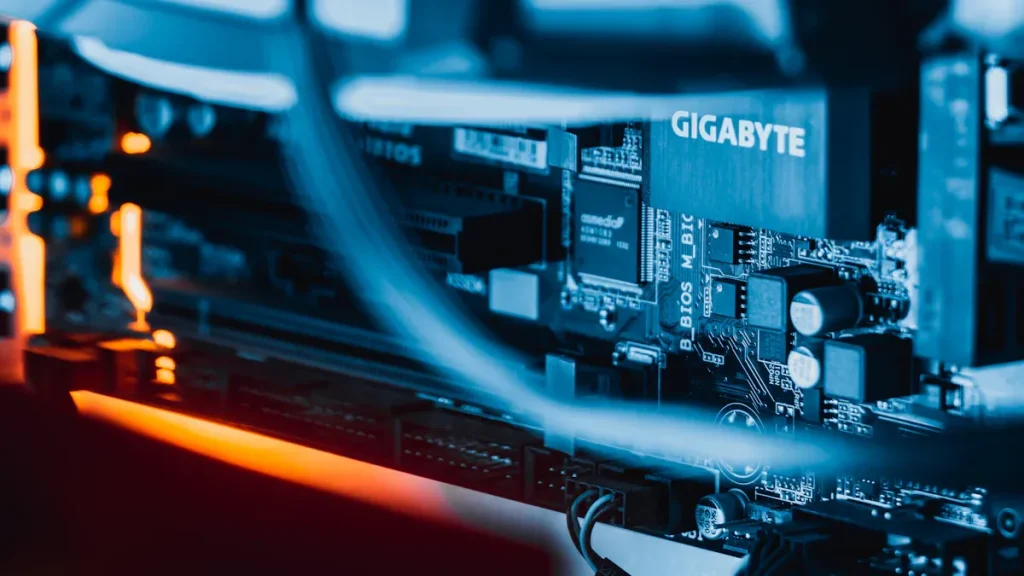
In Canada’s remote and challenging environments, rugged AI server PCBA plays a crucial role in ensuring reliable computing systems. These rugged designs withstand extreme conditions, enhancing performance where traditional systems may fail. By integrating advanced thermal management and vibration resistance, you can trust that your computing solutions will operate seamlessly, even in the most demanding situations. This reliability is essential for industries like mining and energy, where consistent performance directly impacts operational success.
Key Takeaways
Rugged AI server PCBA enhances reliability in extreme conditions, crucial for industries like mining and energy.
Vibration resistance and thermal management are essential features that ensure consistent performance in harsh environments.
Implementing proactive monitoring and predictive maintenance can significantly reduce downtime and maintenance costs.
Utilizing advanced cooling solutions prevents overheating, ensuring the longevity and reliability of your computing systems.
Investing in high-quality rugged designs empowers your operations to thrive in challenging Canadian environments.
Rugged AI Server PCBA in Edge Computing
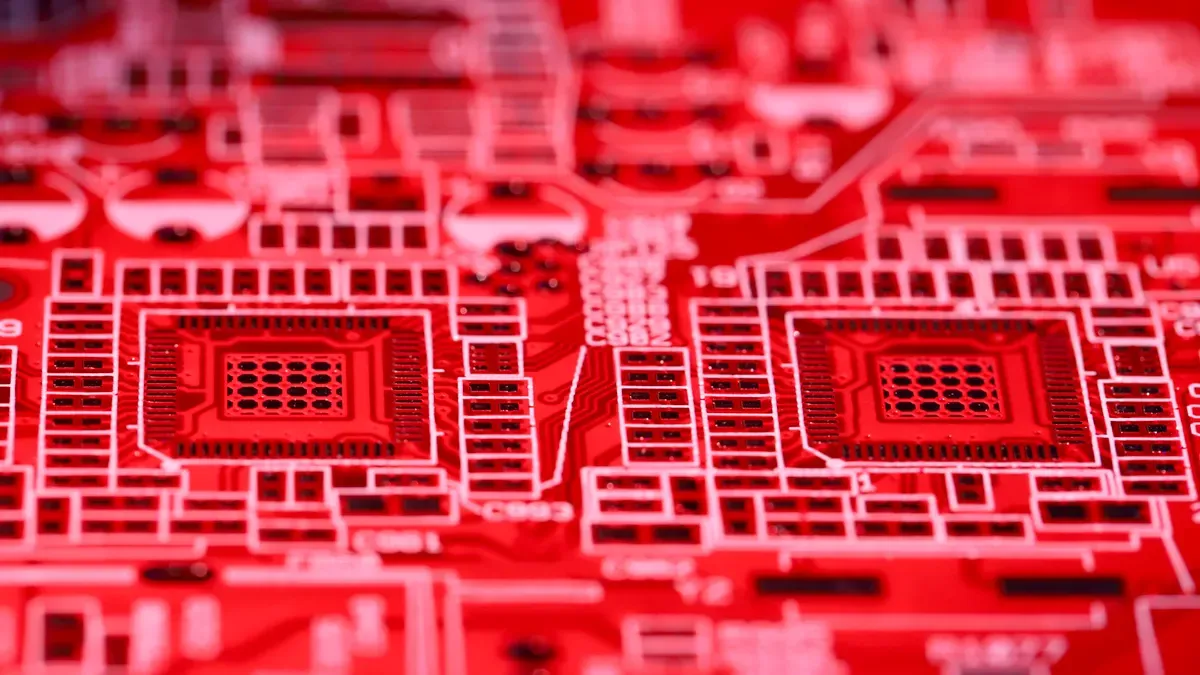
In the realm of edge computing, rugged AI server PCBA serves as a backbone for reliable and efficient operations. You encounter various challenges in remote environments, such as vibrations and extreme temperatures. These factors can significantly impact the performance of your computing systems. Therefore, understanding the importance of vibration resistance and thermal management is crucial for maintaining operational integrity.
Vibration Resistance
Vibration resistance is a critical feature of rugged AI server PCBA. In industries like mining and energy, equipment often faces harsh conditions that can lead to mechanical stress. To ensure your systems withstand these challenges, consider the following industry standards:
MIL-STD-810G: This standard specifies shock tests with peak acceleration of 50g for 11 milliseconds, simulating real-world impacts.
Vibration Testing: Testing should cover frequencies from 10 Hz to 2000 Hz to replicate most industrial vibration profiles.
By adhering to these standards, you can enhance the durability of your rugged edge computing PCBs. This durability translates into improved reliability, allowing your systems to function effectively even in the most demanding environments.
Thermal Management
Effective thermal management is essential for maintaining the performance of rugged AI server PCBA. High-performance computing generates significant heat, especially in edge applications. Implementing robust thermal management strategies ensures that your systems operate within safe temperature ranges. Here are some common technologies used in rugged designs:
Active Thermal Management Systems: These systems, such as thermoelectric coolers, provide dynamic temperature control, ideal for applications with varying power demands.
Liquid Cooling Solutions: Utilizing a liquid medium for heat dissipation is more efficient than traditional air cooling. This technology is crucial for maintaining stable performance in high-density computing environments.
The benefits of effective thermal management are clear. A well-designed thermal strategy can prevent overheating, which is vital for the longevity and reliability of your systems.
Evidence Description | Key Points |
|---|---|
Importance of Thermal Management | Effective thermal management is crucial for optimal performance and reliability in high-performance electronic systems. |
Role of Thermal Simulation | Thermal simulation helps identify hotspots, evaluate cooling strategies, and prevent costly prototyping. |
Active Thermal Management Systems | Systems like thermoelectric coolers provide dynamic temperature control, ideal for applications with varying power demands. |
Applications of Rugged Edge Computing PCBs
Rugged edge computing PCBs find extensive applications in various sectors across Canada, particularly in remote environments. Two prominent areas where these technologies excel are mining operations and energy stations. Each application presents unique challenges that rugged designs effectively address.
Mining Operations
In the mining industry, you face extreme conditions that can jeopardize the performance of standard computing systems. Rugged AI server PCBA offers a solution by providing enhanced durability and reliability. These systems withstand vibrations, dust, and moisture, ensuring continuous operation in harsh environments.
Durability Standards: Mining operations often require compliance with standards such as MIL-STD-810G. This certification ensures that your rugged PCBs can endure shocks and vibrations typical in mining activities.
Real-Time Data Processing: With rugged edge computing, you can process data on-site, reducing latency and improving decision-making. This capability is crucial for monitoring equipment health and optimizing resource extraction.
By integrating rugged AI server PCBA into your mining operations, you enhance both safety and efficiency. The ability to operate reliably in extreme conditions translates into reduced downtime and lower maintenance costs.
Energy Stations
Energy stations, whether they are wind farms or hydroelectric plants, also benefit significantly from rugged edge computing PCBs. These facilities often operate in remote locations, where environmental factors can impact system performance.
Temperature Resilience: Rugged PCBs utilize specialized materials designed for extreme temperatures. This feature ensures that your systems remain operational even in freezing conditions, which are common in many Canadian regions.
Remote Monitoring: Implementing rugged AI server PCBA allows for effective remote monitoring of energy production. You can collect and analyze data in real-time, leading to proactive maintenance and improved energy efficiency.
The integration of rugged designs in energy stations not only enhances performance but also supports sustainability efforts. By ensuring reliable operation, you contribute to a more stable energy supply while minimizing environmental impact.
Challenges of Low Temperatures and Outdoor Conditions

Extreme temperatures and outdoor conditions pose significant challenges to the reliability of rugged AI server PCBA. In Canada, where you encounter harsh environments, these challenges can lead to performance degradation and system failures. Understanding these impacts is crucial for ensuring your systems operate effectively.
Impact on PCBA Reliability
Low temperatures can cause several issues for PCBA, including:
Material Selection: Standard materials may not withstand UV exposure or extreme cold. Using UV-stable urethanes or silicones can combat these effects.
Thermal Cycling: Rapid temperature changes can lead to expansion and contraction of materials. Employing flexible materials helps manage these stresses.
Moisture Protection: Moisture can infiltrate PCBs, leading to corrosion and failure. Complete enclosure sealing with suitable compounds is essential to guard against moisture.
These factors can compromise the durability and reliability of your rugged AI server PCBA, making it vital to implement effective solutions.
Solutions for Harsh Conditions
To maintain performance in harsh conditions, consider the following engineering solutions:
Factor | Our Approach |
|---|---|
Temperature Resistance | Use high-Tg FR-4, ceramic, and metal-core PCBs for effective heat control. |
Moisture & Corrosion Protection | Apply conformal coatings (acrylic, silicone, parylene) and potting solutions to shield against moisture. |
Vibration & Shock Durability | Reinforce PCB design with through-hole soldering and thicker copper traces to enhance durability. |
EMI & RFI Shielding | Implement strategic grounding, shielding, and optimized component layout to reduce interference. |
Chemical & Contaminant Resistance | Utilize sealed enclosures and chemical-resistant coatings to protect against environmental contaminants. |
High-Altitude & Pressure Stability | Ensure hermetic sealing and use vacuum-rated materials for applications in extreme conditions. |
By adopting these strategies, you can significantly enhance the reliability of your rugged AI server PCBA in low temperatures and outdoor environments. This proactive approach not only minimizes downtime but also reduces maintenance costs, ensuring your systems remain operational when you need them most.
Reducing Failures in Remote AI Devices
Importance of Reliable Server Hardware
In remote applications, reliable server hardware is essential for maintaining operational efficiency. You depend on your systems to perform consistently, especially in harsh environments where failures can lead to significant downtime and financial losses. Rugged AI server PCBA provides the durability and reliability necessary for these demanding conditions. By investing in high-quality server hardware, you ensure that your edge devices can withstand the rigors of their environment while delivering optimal performance.
Strategies for Minimizing Downtime
To minimize downtime in your remote AI devices, consider implementing the following strategies:
Proactive Monitoring: Utilize advanced monitoring tools to track system performance. This approach allows you to identify potential issues before they escalate into critical failures. AI can detect early signs of hardware failure or compatibility issues, enabling timely interventions.
Predictive Maintenance: Implement predictive maintenance strategies to reduce downtime by 30% to 50%. By analyzing performance data, you can schedule maintenance before problems arise, ensuring your systems remain operational.
Automated Workflows: Automate routine tasks to reduce human error. Automated patch management ensures timely software updates, while monitoring tools can trigger preventative maintenance when usage exceeds thresholds.
Real-Time Responses: Leverage AI capabilities for real-time responses. For instance, if a system experiences an overload, AI can automatically restart services or reallocate resources to maintain performance.
Regular Training: Ensure your team is well-trained in handling the specific challenges of remote environments. Knowledgeable staff can quickly address issues, further reducing downtime.
By adopting these strategies, you enhance the reliability of your rugged AI server PCBA and ensure that your systems operate smoothly in remote settings. This proactive approach not only minimizes disruptions but also contributes to cost savings and improved user experiences.
In summary, adopting rugged AI server PCBA significantly enhances your remote computing systems in Canada. These designs offer:
Vibration Resistance: They withstand harsh conditions, ensuring continuous operation.
Thermal Management: Effective cooling strategies maintain optimal performance.
Reliability: You reduce downtime and maintenance costs, crucial for industries like mining and energy.
By integrating these rugged solutions, you empower your operations to thrive in challenging environments. Embrace the future of reliable computing with rugged AI server PCBA.
FAQ
What is a rugged AI server PCBA?
A rugged AI server PCBA is a printed circuit board assembly designed to withstand harsh environmental conditions. It ensures reliable performance in remote computing systems, particularly in industries like mining and energy.
How does vibration resistance benefit edge computing?
Vibration resistance enhances the durability of edge computing systems. It prevents mechanical stress from damaging components, ensuring continuous operation in challenging environments like mining sites and energy stations.
What thermal management solutions are available?
Common thermal management solutions include active cooling systems and liquid cooling technologies. These strategies maintain optimal operating temperatures, preventing overheating and ensuring reliable performance in high-density computing environments.
Why is reliable server hardware important in remote applications?
Reliable server hardware minimizes downtime and maintenance costs. In remote applications, consistent performance is crucial for operational efficiency, especially in harsh environments where failures can lead to significant financial losses.
How can I reduce downtime in my remote AI devices?
You can reduce downtime by implementing proactive monitoring, predictive maintenance, and automated workflows. These strategies help identify potential issues early and ensure your systems remain operational when you need them most.
See Also
Durable AI PCBA Solutions for Canadian Outdoor Surveillance
Sturdy AI PCBA Designed for Australian Mining Operations
Robust AI PCBA for Norwegian Marine Energy Applications