
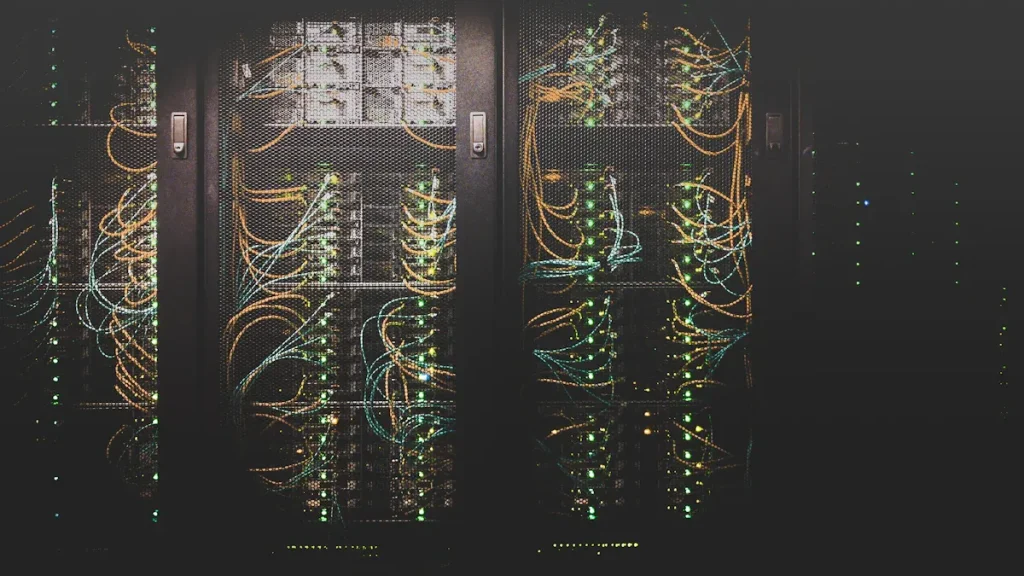
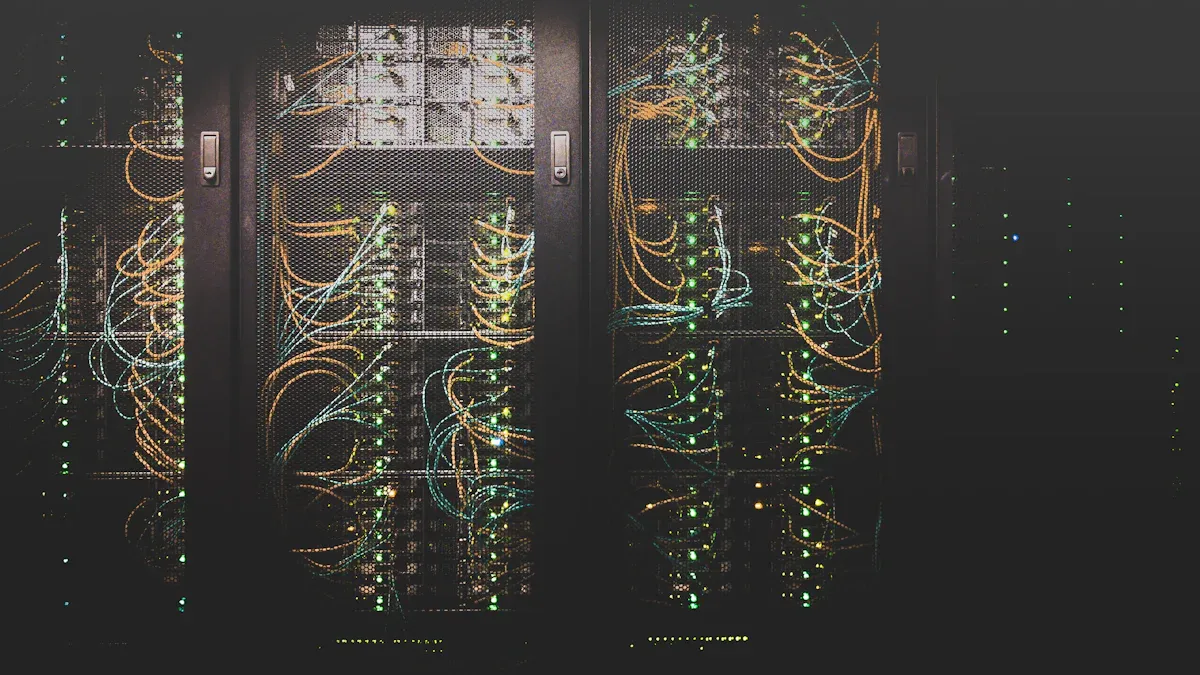
The AI server power board PCBA plays a crucial role in enhancing performance and efficiency within Australian data and energy projects. As data centre capacity expands from 1.35 GW to a projected 4.7 GW – 7.4 GW by 2035, the demand for advanced power management solutions becomes increasingly evident.
Real-time visibility into energy use enables businesses to identify waste early, facilitating proactive cost management.
Monitoring energy consumption patterns reveals early signs of equipment faults, allowing for timely maintenance.
These factors underscore the necessity for innovative power solutions, essential for optimising operational capabilities in the rapidly evolving energy landscape.
Key Takeaways
AI server power boards enhance performance in data centres by optimising power delivery and reducing energy loss.
Effective thermal management in power boards prevents overheating, ensuring reliable operation of high-performance servers.
Real-time energy monitoring helps organisations identify inefficiencies, leading to proactive cost management and energy savings.
High-current PCBs require specific design strategies to maintain performance and reliability in demanding applications.
Investing in AI server power boards supports sustainable energy practices, aligning with Australia’s growing focus on renewable energy.
Applications of AI Power Boards
GPU Server Integration
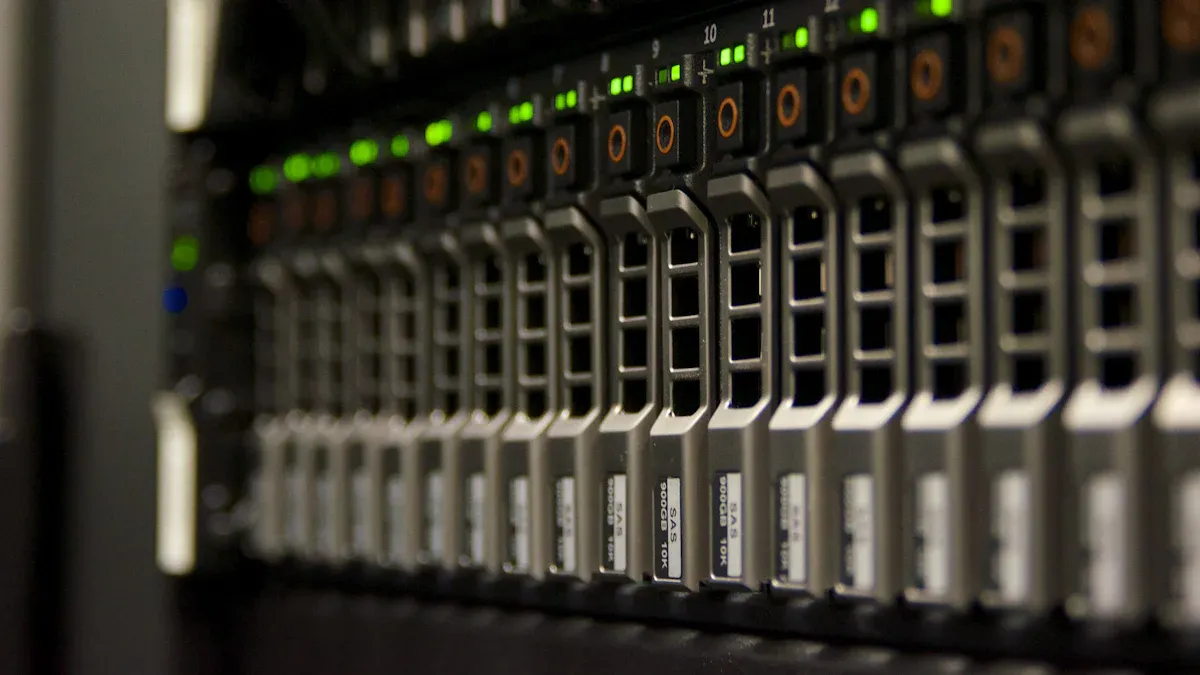
AI server power board PCBA significantly enhances the performance of GPU servers, which are essential for high-power applications such as machine learning and data analytics. These power boards ensure optimal power delivery, which is crucial for maintaining the efficiency of high-performance computing systems. By minimising resistance and energy loss, they contribute to a more effective power usage model in GPU servers.
Moreover, the integration of thermal management solutions within these power boards is vital. High-performance GPUs generate substantial heat, and effective thermal management prevents overheating, ensuring consistent operation. The use of thermal vias and heat sinks within the design allows for efficient heat dissipation, which is critical in maintaining the longevity and reliability of GPU servers.
Data Centre Efficiency
The role of AI server power board PCBA extends beyond GPU servers to encompass the broader context of data centre efficiency. These power boards facilitate various enhancements that lead to improved operational performance. The following table outlines key contributions of AI server power boards to data centre efficiency:
Contribution Aspect | Description |
|---|---|
Power Delivery Optimization | Minimises resistance and energy loss, crucial for efficient power usage in data centres. |
Thermal Management | Integrates thermal vias and heat sinks to manage heat generated by high-performance AI hardware. |
High-Speed Data Communication | Uses low-loss dielectric materials and optimised trace geometry to ensure stable and fast data transfer. |
In addition to these technical advantages, power monitoring boards play a pivotal role in energy projects. They provide real-time insights into energy consumption, enabling organisations to identify inefficiencies and implement corrective measures. The following table highlights the benefits and functionalities of power monitoring boards in Australian energy projects:
Benefit/Functionality | Description |
|---|---|
Cost Savings | Helps quantify expected cost savings and payback periods. |
Upgrade Options | Identifies the best upgrade options for energy efficiency. |
Access to Finance | Improves access to finance and government support through detailed data. |
Demand-Response Participation | Facilitates participation in demand-response programs. |
Energy Savings Measurement | Assists in measuring and verifying energy savings for completed projects. |
Optimization and Upgrade Planning | Supports optimisation and planning for upgrades. |
Sub-Metering | Enables detailed sub-metering for real-time monitoring. |
Integration with Systems | Integrates with advanced manufacturing and building management systems for better energy use. |
The integration of AI server power board PCBA in both GPU servers and data centres not only enhances performance but also aligns with industry standards and certifications. This ensures that organisations can rely on these solutions for their high-power applications, ultimately leading to a more sustainable and efficient energy landscape in Australia.
Technical Requirements for High-Current PCBs
High-Current Specifications
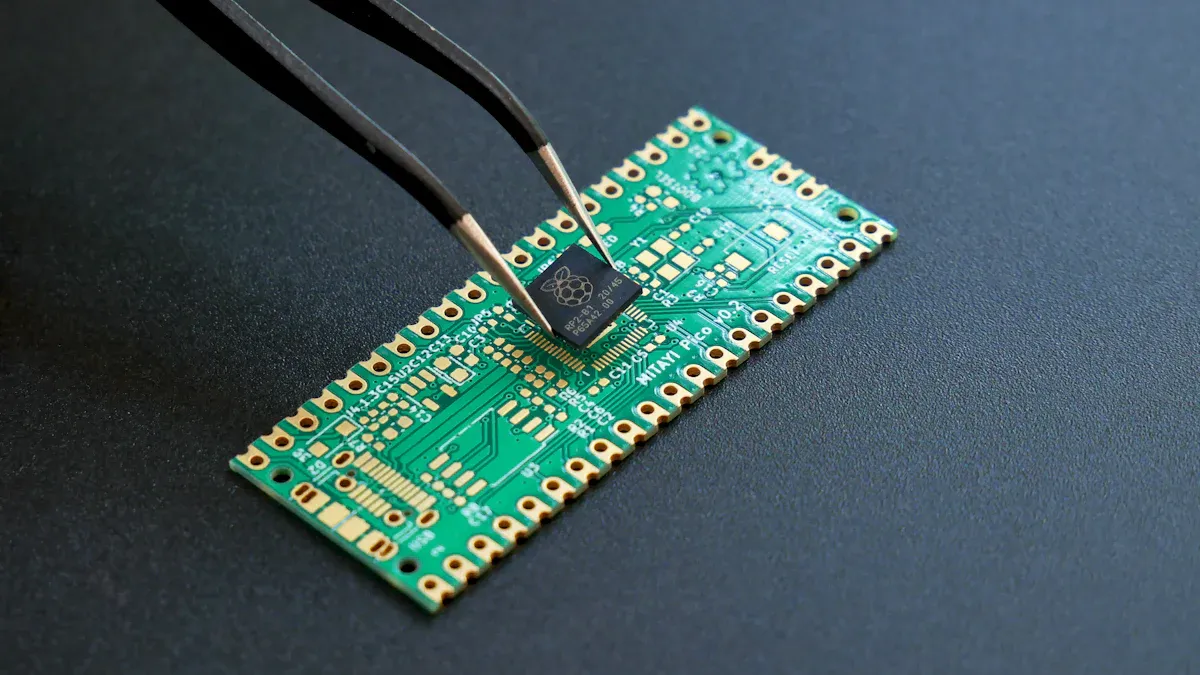
High-current printed circuit boards (PCBs) require specific design considerations to ensure optimal performance in demanding applications. The following table outlines effective strategies and materials that meet high-current requirements in AI server power board PCBA:
Strategy/Material | Description |
|---|---|
Ultra-low-loss laminates | Essential for stable and consistent dielectric properties at high frequencies. |
48V Power Architecture | Reduces I²R losses by distributing power efficiently across the motherboard. |
PDN Impedance Target | Maintains low impedance across a wide frequency range to meet GPU load demands. |
VRM Layout | Minimises high-current paths and voltage drops by placing VRMs close to load. |
Thermal Management | Uses large copper pours and thermal vias for effective heat dissipation. |
High-Tg Materials | Ensures thermal stability and mechanical strength at high temperatures. |
These specifications are crucial for maintaining signal integrity and ensuring the reliability of high-voltage applications. Engineers must focus on optimising the design to accommodate the increased current flow while minimising potential losses.
Thermal Management Solutions
Effective thermal management is vital for the performance of AI server power boards, especially in environments where high computational demands generate significant heat. The following solutions are commonly implemented in Australian data centres to maintain optimal operating temperatures:
Precision air conditioning units
Liquid cooling systems
Hot/cold aisle containment
These cooling solutions not only enhance operational efficiency but also contribute to energy savings, thereby reducing the environmental impact. The integration of energy-efficient cooling systems is essential for minimising operational costs while ensuring that the hardware operates within safe temperature limits.
AI training processes, which are integral to many data centre operations, generate substantial heat due to their computational requirements. Therefore, implementing robust thermal management strategies is crucial for maintaining the longevity and reliability of high-current PCBs.
Stability Needs in Energy and Mining Data Centres
Reliable Power Supply
A reliable power supply is essential for energy and mining data centres. These facilities must maintain continuous operation, even during disturbances. Data centres require stable connections during voltage and frequency fluctuations. They must also ensure stable operation during grid faults. Quick restoration of demand is crucial once system conditions stabilise. A formal threshold of 30 MW is often proposed for classifying large electricity users. Advanced control systems and grid-support equipment may be necessary to meet these standards.
Requirement Type | Description |
|---|---|
Connection during disturbances | Data centres must remain connected during voltage and frequency disturbances. |
Stable operation during grid faults | Facilities are required to maintain stable operating behaviour during grid faults. |
Quick demand restoration | Data centres should restore demand quickly once system conditions stabilise. |
Threshold for large loads | A formal threshold of 30 MW is proposed for classifying large electricity users. |
Advanced control systems | Facilities may need sophisticated control systems and grid-support equipment to meet standards. |
Operational Efficiency
Stable power supply directly influences operational efficiency in energy and mining data centres. Relying on traditional energy sources like coal and gas can increase costs due to unreliability and price volatility. Coal outages pose significant risks for blackouts, disrupting operations. In contrast, renewable energy has emerged as the most cost-effective power source. Data centre operators increasingly offset their energy use with renewables, demonstrating a clear link between stable power supply and improved operational outcomes.
Key operational efficiency metrics benefit from a stable power supply:
Peak Shaving: Utilising supercapacitors to store energy during low-demand periods and release it during peak times can reduce energy costs and waste by up to 45%.
Power Usage Effectiveness (PUE): This critical metric for energy efficiency improves with supercapacitors, aiming for a PUE closer to 1.0.
Testing and Reliability of AI Server Power Boards
Functional Testing
Functional testing of AI server power board PCBA involves a series of rigorous procedures designed to ensure optimal performance. Engineers conduct these tests to verify that each board meets its specified requirements. The process typically includes:
Visual Inspection: Technicians examine the board for any physical defects, such as soldering issues or component misalignment.
Electrical Testing: This step assesses the board’s electrical characteristics, ensuring that voltage and current levels align with design specifications.
Load Testing: Engineers simulate real-world conditions by applying loads to the board. This helps identify potential failures under maximum operational stress.
Thermal Testing: The board undergoes temperature cycling to evaluate its performance under varying thermal conditions. This step is crucial for ensuring reliability in high-performance environments.
User reviews highlight the effectiveness of these testing procedures. One industry expert noted, “Thorough functional testing is essential for identifying issues before deployment. It significantly reduces troubleshooting time later.” Case studies from organisations using bonysn products demonstrate that their power boards consistently pass these tests, reinforcing their reputation for reliability.
Reliability Assessments
Long-term reliability assessments are vital for AI server power boards, particularly in demanding applications. These assessments focus on the board’s performance over extended periods, identifying potential failure modes. Key aspects include:
Accelerated Life Testing: This method exposes the board to extreme conditions to predict its lifespan. Engineers analyse data to determine failure rates and maintenance needs.
Environmental Testing: Boards undergo tests simulating various environmental factors, such as humidity and vibration. This ensures that they can withstand real-world conditions.
Field Data Analysis: Collecting data from deployed boards allows engineers to monitor performance and identify trends. This proactive approach aids in troubleshooting and maintenance planning.
Challenges in reliability assessments often arise from the need for comprehensive data collection and analysis. However, the insights gained from these assessments are invaluable. They inform design improvements and enhance the overall quality of AI server power board PCBA.
AI server power board PCBA holds significant potential to transform Australian data and energy projects. The increasing demand for AI infrastructure across sectors such as financial services, healthcare, and mining underscores this potential. Organisations deploy AI servers and GPU hardware for advanced analytics and automation, necessitating robust power management solutions.
Key benefits of AI server power boards include:
Enhanced Stability: PCBs manage high data throughput and withstand extreme thermal conditions, ensuring reliable performance.
Longevity: Thoughtful design and material choices directly influence the durability of AI computing systems.
As Australia continues to embrace AI technologies, local adaptation in manufacturing will be crucial for meeting these evolving demands.
FAQ
What is an AI server power board PCBA?
An AI server power board PCBA is a printed circuit board assembly designed to manage power distribution and thermal management in AI servers, enhancing performance and efficiency in data centres and energy projects.
How do AI server power boards improve data centre efficiency?
AI server power boards optimise power delivery, reduce energy loss, and integrate thermal management solutions. These enhancements lead to improved operational performance and lower energy costs in data centres.
What are the key features of high-current PCBs?
High-current PCBs feature ultra-low-loss laminates, 48V power architecture, and effective thermal management. These specifications ensure reliable performance in demanding applications, particularly in AI and GPU server environments.
Why is thermal management important for AI server power boards?
Thermal management is crucial as high-performance AI servers generate significant heat. Effective cooling solutions prevent overheating, ensuring consistent operation and prolonging the lifespan of the power boards.
How is the reliability of AI server power boards tested?
Reliability testing involves functional assessments, accelerated life testing, and environmental simulations. These procedures ensure that power boards meet performance standards and can withstand real-world conditions over time.
See Also
Durable AI PCBA Solutions for Australia’s Mining and Energy Sector
Robust AI Server PCBA for Remote Computing in Canada
PCB Assembly for AI Inference Servers in UK Edge Projects
PCB Production for AI Servers Targeting US GPU Firms
Sturdy AI PCBA for Norway’s Marine and Energy Monitoring Tools