
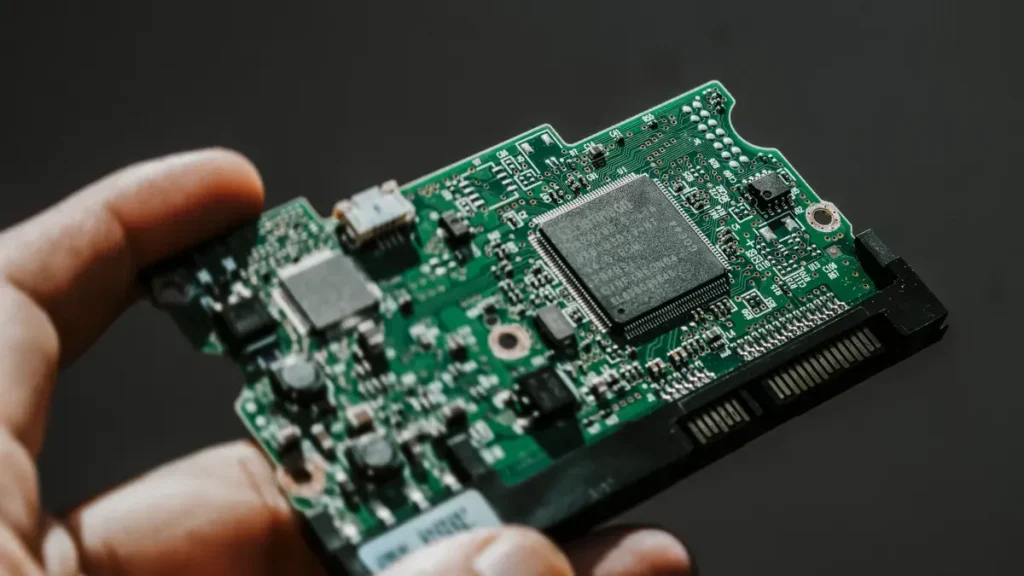
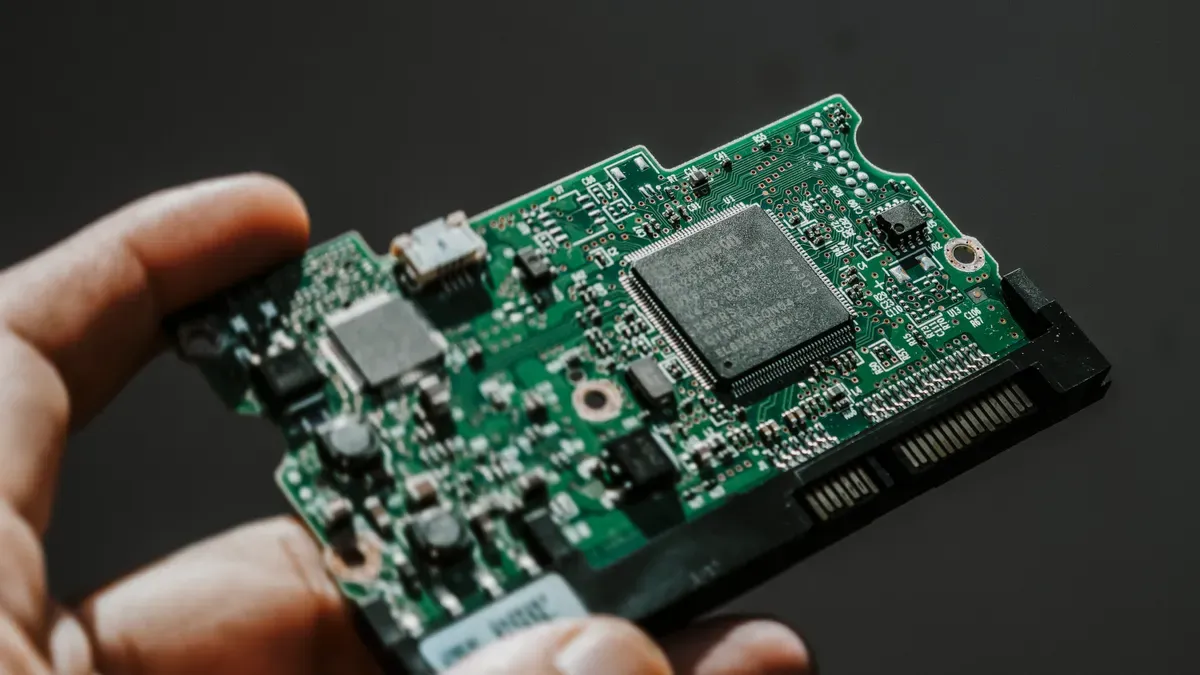
In today’s fast-paced market, OEM AI hardware PCBA plays a crucial role in bolstering the technological capabilities of Belgian companies. By integrating AI into their operations, you can enhance efficiency and innovation. This technology allows for improved product design and manufacturing processes that give you a competitive edge. Embracing AI hardware PCBA not only streamlines operations but also positions your company as a leader in the evolving tech landscape.
Key Takeaways
Integrating AI hardware PCBA enhances efficiency and innovation in Belgian companies, giving them a competitive edge.
AI optimizes PCB design by automating tasks and improving accuracy, allowing teams to focus on creativity and innovation.
Smart sensors equipped with AI provide real-time monitoring and predictive capabilities, improving decision-making and operational efficiency.
Predictive maintenance powered by AI minimizes downtime and reduces costs by anticipating equipment failures before they occur.
Customization options in OEM AI hardware PCBA allow companies to tailor solutions to specific needs, enhancing functionality and market responsiveness.
AI in PCBA
Design Optimization
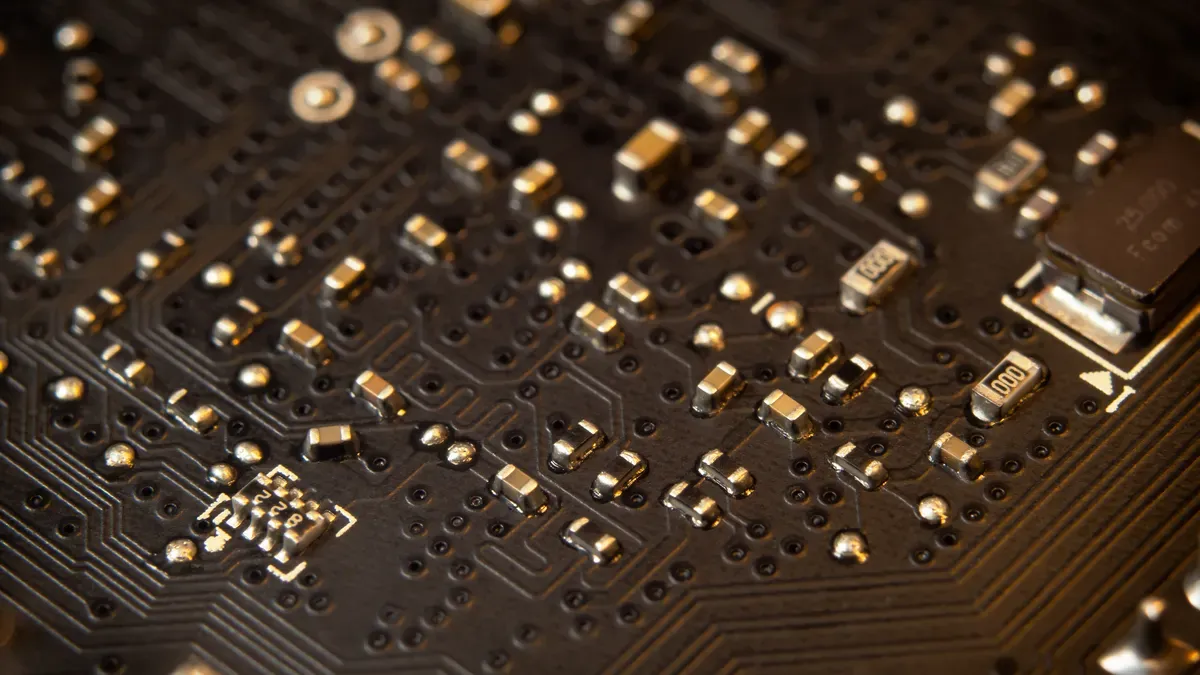
AI plays a transformative role in optimizing printed circuit board (PCB) design. By leveraging advanced algorithms, you can significantly enhance the design process. Here are some key benefits of integrating AI into your PCB design:
Evidence | Description |
|---|---|
Automation of design processes | AI tools can automate repetitive tasks, allowing for faster generation of design iterations compared to manual methods. |
Predictive analysis and simulation | AI enables engineers to simulate PCB performance before physical prototypes are created, reducing testing needs and costs. |
Precision in design | AI algorithms consistently apply design rules, minimizing errors and ensuring high-quality PCB layouts. |
Real-time collaboration | AI facilitates immediate feedback on design changes, enhancing teamwork among engineers. |
Optimization of component placement | AI examines various design factors to produce layouts that reduce signal interference and improve performance. |
Real-time design assistance | AI-powered tools suggest optimal configurations based on historical data, enhancing creativity and efficiency. |
These capabilities not only streamline the design process but also lead to higher quality and more reliable products. As you adopt these AI applications, you will find that your design teams can focus on innovation rather than repetitive tasks.
Manufacturing Efficiency
In the realm of manufacturing, AI enhances efficiency in several ways. By automating various aspects of the manufacturing process, you can reduce production time and costs. Here are some common AI techniques that improve manufacturing efficiency:
AI algorithms optimize component placement and routing by analyzing historical design data and using machine learning models to minimize signal interference.
AI enhances design rule checking (DRC) by automating the verification process, quickly identifying potential design violations and providing actionable insights.
AI continuously learns from previous design iterations, allowing engineers to explore alternatives and refine layouts for optimal performance.
The integration of AI in manufacturing processes leads to significant improvements in productivity and quality. For instance, companies that have implemented AI solutions report a reduction in production errors and an increase in overall output. This not only meets market demands but also addresses pain points related to customization and quality stability.
As you consider the adoption of AI hardware PCBA, remember that these advancements can position your company at the forefront of the industrial AI market. Embracing these technologies will not only enhance your operational efficiency but also ensure that you remain competitive in a rapidly evolving landscape.
Industrial Applications of AI Hardware PCBA
Smart Sensors
Smart sensors represent a significant advancement in industrial applications, leveraging AI hardware PCBA to enhance data collection and analysis. These sensors can monitor various parameters such as temperature, pressure, and humidity in real-time. By integrating AI, you can achieve more accurate readings and faster response times. Here are some key benefits of smart sensors:
Enhanced Accuracy: AI algorithms process data from multiple sources, reducing errors and improving measurement precision.
Real-Time Monitoring: Smart sensors provide continuous data streams, allowing you to make informed decisions quickly.
Predictive Capabilities: With AI, these sensors can predict potential issues before they escalate, enabling proactive maintenance.
For instance, in the medical devices sector, smart sensors equipped with AI can monitor patient vitals and alert healthcare providers to any anomalies. This capability not only improves patient care but also streamlines hospital operations.
Predictive Maintenance
Predictive maintenance is another critical application of AI hardware PCBA in industrial settings. By utilizing platforms like MESAI, you can enhance your maintenance strategies significantly. This platform employs anomaly detection to foresee potential failures, allowing you to optimize maintenance processes effectively. Here’s how AI enhances predictive maintenance:
Data-Driven Insights: AI analyzes real-time data to create preventive and corrective maintenance plans. This ensures efficient asset management and minimizes unplanned downtime.
Cost Reduction: By predicting failures before they occur, you can avoid costly repairs and extend the lifespan of your equipment.
Improved Efficiency: AI solutions streamline maintenance schedules, allowing your team to focus on critical tasks rather than reactive measures.
The integration of AI in predictive maintenance not only addresses common pain points in industrial operations but also aligns with market demands for customization and quality stability. By adopting these technologies, you position your company to respond swiftly to changing conditions and maintain a competitive edge in the AI market.
Challenges for Belgian Firms
Resource Limitations
Belgian technology companies often face significant resource limitations when adopting AI hardware PCBA solutions. These limitations can stem from various factors, including budget constraints, lack of skilled personnel, and insufficient infrastructure. Here are some common resource challenges you might encounter:
Budget Constraints: Investing in advanced AI technology can be costly. Many firms struggle to allocate sufficient funds for research, development, and implementation.
Skill Gaps: The rapid evolution of AI technology means that finding qualified personnel with the necessary expertise can be challenging. You may find that your existing team lacks the skills needed to effectively implement AI solutions.
Infrastructure Needs: Upgrading existing systems to support AI integration often requires significant investment in new hardware and software.
Integration Issues
Integrating AI hardware PCBA into your existing systems presents its own set of challenges. Many Belgian firms encounter obstacles that can hinder successful deployment. The following table outlines some of the most frequently encountered integration issues:
Issue Type | Description |
|---|---|
Technical Complexity | Involves challenges across software, AI, embedded systems, and hardware. |
Fragmented Expertise | Skills are scattered across teams and vendors, lacking a unified approach. |
Unclear Execution | No clear path from prototype to production, leading to stalled ideas. |
These integration issues can slow down your progress and lead to frustration. You may find that the lack of a cohesive strategy complicates the deployment of AI solutions. To overcome these challenges, consider investing in training programs for your team and establishing clear communication channels among stakeholders.
By addressing these resource limitations and integration issues, you can better position your company to leverage the benefits of AI hardware PCBA. This proactive approach will help you navigate the complexities of the industrial AI market and enhance your competitive edge.
Solutions Through OEM AI Hardware PCBA
Customization
OEM AI hardware PCBA offers significant customization options that can address the unique needs of Belgian technology companies. You can tailor designs to meet specific applications, ensuring that your products align with market demands. This flexibility allows you to create specialized solutions that enhance your competitive edge. Here are some key benefits of customization:
Tailored Solutions: You can modify designs to fit specific operational requirements, improving functionality.
Small Batch Manufacturing: OEM solutions enable you to produce smaller quantities without sacrificing quality. This approach allows you to test new products in the market quickly.
Rapid Prototyping: With advanced AI technologies, you can create prototypes faster, facilitating quicker iterations and feedback.
By leveraging these customization capabilities, you can respond to customer needs more effectively and maintain a strong position in the industrial AI market.
Cost-Effectiveness
Cost-effectiveness is another critical advantage of adopting OEM AI hardware PCBA. Investing in these solutions can lead to substantial savings in both production and operational costs. Here’s how:
Reduced Waste: AI-driven manufacturing processes optimize resource usage, minimizing material waste.
Lower Labor Costs: Automation reduces the need for manual labor, allowing you to allocate resources more efficiently.
Scalability: As your business grows, OEM solutions can easily scale to meet increased demand without significant additional investment.
A recent study showed that companies using OEM AI hardware PCBA experienced a 30% reduction in production costs while maintaining high-quality standards. This data underscores the financial benefits of integrating these technologies into your operations.
Adopting OEM AI hardware PCBA offers numerous advantages for Belgian technology companies. You can enhance design optimization, improve manufacturing efficiency, and leverage smart sensors for real-time data analysis. These solutions empower you to customize products, reduce costs, and maintain high-quality standards. By embracing these technologies, you position your company for future growth and innovation in a competitive market. Consider integrating OEM AI hardware PCBA to elevate your technological capabilities and meet evolving industry demands.
FAQ
What is OEM AI hardware PCBA?
OEM AI hardware PCBA refers to original equipment manufacturer printed circuit board assemblies that integrate artificial intelligence. These solutions enhance design, manufacturing, and operational efficiency for technology companies.
How can AI improve PCB design?
AI optimizes PCB design by automating repetitive tasks, predicting performance, and ensuring precision. This leads to faster iterations and higher quality products, allowing you to focus on innovation.
What are the benefits of smart sensors?
Smart sensors equipped with AI provide real-time monitoring, enhanced accuracy, and predictive capabilities. They help you make informed decisions quickly and improve operational efficiency.
How does predictive maintenance work?
Predictive maintenance uses AI to analyze real-time data, predicting potential equipment failures. This approach minimizes unplanned downtime and reduces maintenance costs, ensuring efficient asset management.
What challenges do Belgian firms face in adopting AI hardware PCBA?
Belgian firms often encounter resource limitations, such as budget constraints and skill gaps. Integration issues, including technical complexity and fragmented expertise, can also hinder successful deployment.
See Also
Poland’s Electronics Firms Benefit From OEM AI PCBA Solutions
Complete AI PCBA Solutions for Ireland’s MedTech and IoT
Tailored AI PCBA Services for Czech Industrial Electronics
Israeli Security Devices Enhanced With AI Hardware Prototypes