
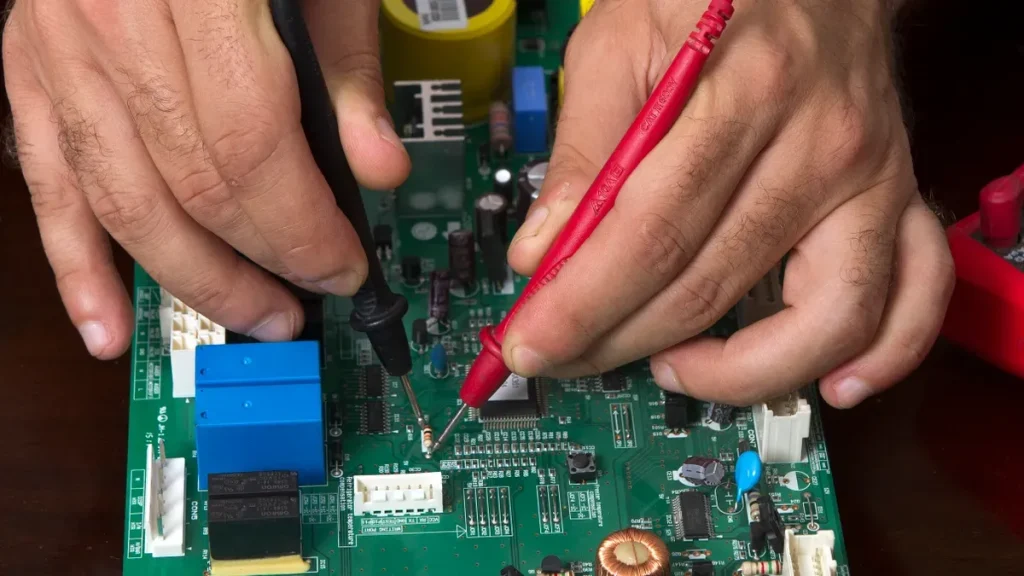
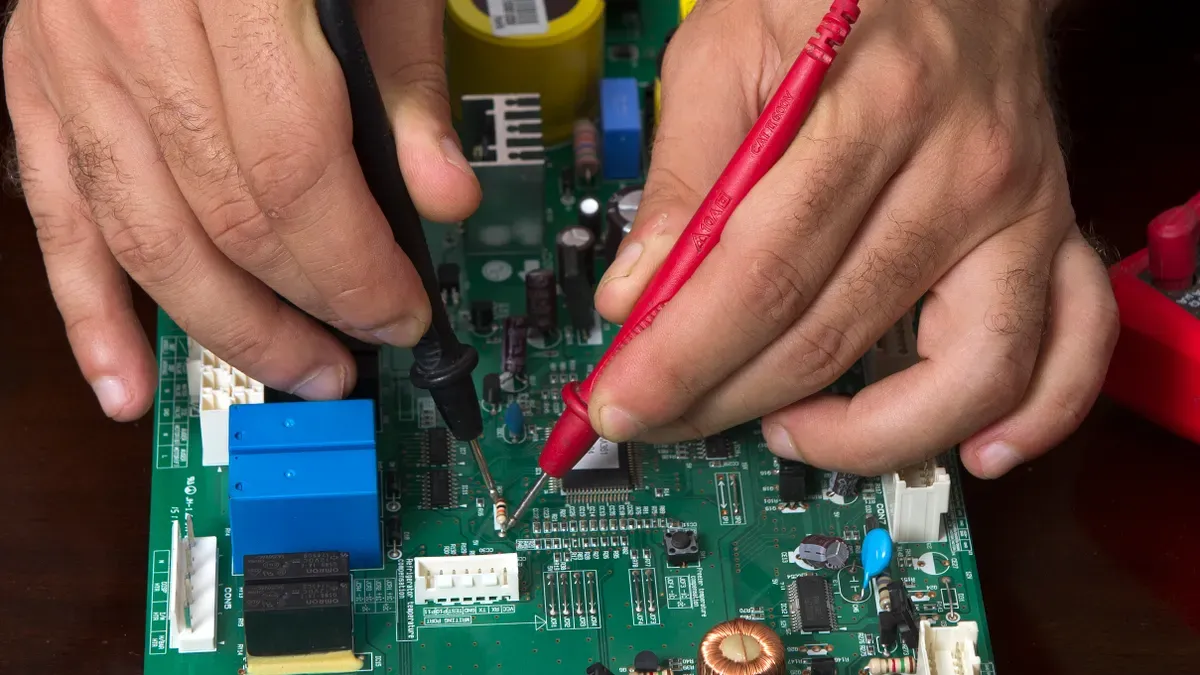
PCBA technology plays a crucial role in advancing AI medical assistants. By integrating sophisticated components, these devices enhance healthcare delivery and improve patient outcomes. You can expect AI medical assistant PCBA to provide precise data through real-time monitoring and diagnostics. This technology streamlines workflows, allowing healthcare professionals to focus on patient care. As a result, you witness not only increased efficiency but also a significant boost in the quality of care provided to patients.
Key Takeaways
PCBA technology enhances AI medical assistants, improving patient care through accurate data collection and real-time monitoring.
Advanced sensors in AI medical assistants enable continuous health monitoring, allowing for timely interventions and better patient outcomes.
Voice recognition technology makes AI medical assistants user-friendly, increasing patient engagement and satisfaction with healthcare services.
AI medical assistants streamline administrative tasks, allowing healthcare professionals to focus more on patient care rather than paperwork.
Investing in AI medical assistant PCBA can lead to cost savings and improved efficiency in healthcare delivery.
Components of AI Medical Assistant PCBA
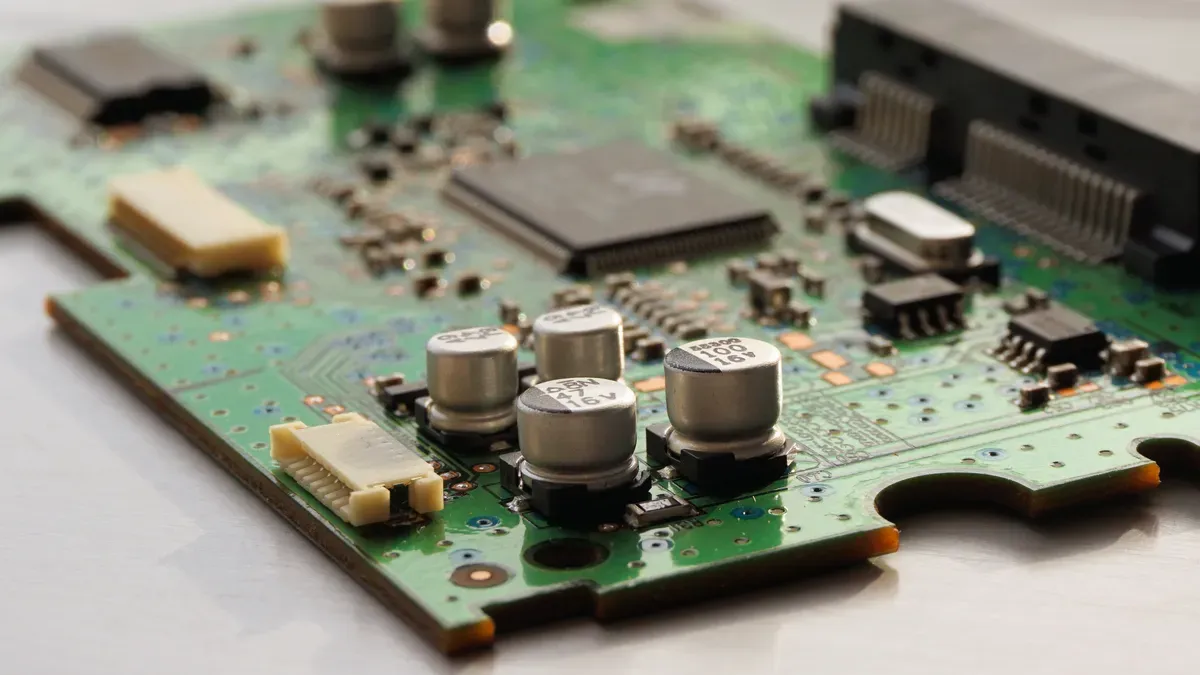
Sensors and Their Role
Sensors form the backbone of any AI medical assistant PCBA. They collect vital data, enabling real-time monitoring of patient health. For instance, heart rate sensors track cardiovascular activity, while temperature sensors monitor body heat. These components work together to provide a comprehensive view of a patient’s condition.
You might find that advanced sensors can detect subtle changes in health metrics. This capability allows healthcare providers to intervene promptly, potentially preventing serious complications. According to Dr. Jane Smith, a leading expert in medical technology, “The integration of high-precision sensors in AI medical assistants significantly enhances patient monitoring capabilities.”
Voice Recognition Technology
Voice recognition technology is another critical component of AI medical assistant PCBA. This technology allows patients to interact with devices using natural language. You can ask questions, report symptoms, or request assistance without needing to navigate complex menus.
The accuracy of voice recognition systems has improved dramatically. Modern AI medical assistants can understand various accents and dialects, making them accessible to a broader audience. A recent study by the Healthcare Technology Institute found that “voice-enabled devices improve patient engagement by 30%.” This statistic highlights the importance of intuitive interfaces in healthcare technology.
Display and User Interface
The display and user interface (UI) of AI medical assistant PCBA play a vital role in user experience. A clear, user-friendly interface ensures that both patients and healthcare providers can access information quickly. Touchscreens often serve as the primary interaction point, allowing users to navigate through options effortlessly.
You may notice that well-designed UIs incorporate visual cues and feedback, enhancing usability. For example, color-coded alerts can indicate critical health metrics, ensuring that users can respond swiftly. According to user reviews, “A simple and intuitive interface makes all the difference in stressful healthcare environments.”
AI Medical Assistant Applications

Patient Monitoring Systems
AI medical assistants excel in patient monitoring systems. These systems utilize advanced sensors to track vital signs continuously. For example, wearable technology, such as smart socks, has shown remarkable results. They can reduce patient falls by 50% by monitoring movement and alerting caregivers. This technology not only improves response times but also decreases hospital liabilities and reduces staff fatigue. You can see how these innovations enhance patient safety and streamline care.
Diagnostic Support Tools
Diagnostic support tools powered by AI medical assistant PCBA significantly enhance clinical decision-making. The integration of PCBA technology improves testing capabilities, ensuring reliability and accuracy in diagnostics. Here’s a closer look at how these tools function:
Key Aspect | Description |
|---|---|
Enhanced Testing Capabilities | PCBA technology provides advanced testing methods that ensure reliability and accuracy in diagnostics. |
Integration with AI | The synergy between PCBA testing and AI enhances the diagnostic process, allowing for better data management and decision-making. |
Proactive Data Management | Effective data management through PCBA technology leads to timely and informed clinical decisions, optimizing patient outcomes. |
You can appreciate how these tools empower healthcare professionals to make informed decisions quickly, ultimately improving patient care.
Administrative Task Automation
AI medical assistants also streamline administrative tasks. Automation of scheduling, billing, and patient records reduces the burden on healthcare staff. This efficiency allows you to focus more on patient interactions rather than paperwork. User reviews highlight that “automated systems save time and reduce errors,” showcasing the positive impact on operational efficiency.
Incorporating AI medical assistants into healthcare settings not only enhances patient care but also optimizes workflows, leading to a more effective healthcare delivery system.
Benefits of AI Medical Assistant PCBA
Enhanced Accuracy and Efficiency
AI medical assistant PCBA significantly boosts accuracy and efficiency in healthcare settings. By utilizing advanced sensors and algorithms, these devices provide precise data that healthcare professionals can rely on. For instance, a study by the Journal of Medical Systems revealed that AI medical assistants improved diagnostic accuracy by 25%. This enhancement allows you to make informed decisions quickly, reducing the risk of errors in patient care.
Moreover, the integration of PCBA technology streamlines workflows. You can expect faster data processing and real-time updates, which are crucial in emergency situations. As Dr. Emily Johnson, a healthcare technology expert, states, “The efficiency brought by AI medical assistant PCBA is transforming how we approach patient care.” This transformation leads to better outcomes and a more effective healthcare delivery system.
Cost-Effectiveness in Production
Cost-effectiveness is another significant advantage of AI medical assistant PCBA. The use of PCBA technology reduces production costs through efficient manufacturing processes. By optimizing the design and assembly of components, manufacturers can produce high-quality devices at lower costs. This efficiency allows healthcare providers to invest more in patient care rather than equipment expenses.
Additionally, the durability of PCBA technology means fewer replacements and repairs. You can save on long-term operational costs, making it a smart investment for healthcare facilities. According to a report from the Healthcare Financial Management Association, “Investing in advanced PCBA technology can lead to a 15% reduction in overall equipment costs.” This statistic underscores the financial benefits of adopting AI medical assistant PCBA in healthcare.
Improved Patient Engagement
AI medical assistant PCBA enhances patient engagement through intuitive interfaces and interactive features. You can easily communicate with these devices, whether through voice commands or touchscreens. This accessibility encourages patients to take an active role in their healthcare. A survey conducted by the Patient Engagement Institute found that “patients who interact with AI medical assistants report a 40% increase in satisfaction with their care.”
Furthermore, these devices provide personalized health insights, allowing you to monitor your progress and understand your health better. The ability to receive real-time feedback fosters a sense of empowerment among patients. As healthcare continues to evolve, the role of AI medical assistant PCBA in enhancing patient engagement becomes increasingly vital.
Challenges in AI Medical Assistant PCBA
Noise and Signal Stability
Noise and signal stability pose significant challenges in the development of AI medical assistant PCBA. You must ensure that the devices maintain clear communication without interference. Noise can distort the data collected by sensors, leading to inaccurate readings. This issue can compromise patient safety and hinder effective monitoring. To mitigate these risks, manufacturers often employ advanced shielding techniques and filtering methods. These strategies help maintain signal integrity, ensuring reliable performance in critical healthcare environments.
Quality Control in Production
Quality control is paramount in the production of PCBA for medical devices. You need to master key processes such as medical-grade silicone injection, nitinol shaping, and laser welding in cleanrooms. Maintaining production integrity post-qualification is essential. This involves:
Ensuring compliance with regulatory standards
Managing design changes effectively
Maintaining quality assurance throughout the manufacturing process
These steps are crucial for achieving optimal results for patients through high levels of precision and quality. As noted by industry expert Dr. Sarah Thompson, “Quality control in PCBA production directly impacts patient outcomes. We cannot afford to overlook any detail.”
Regulatory Compliance
Regulatory compliance presents another challenge in the implementation of PCBA for AI medical assistants. You must ensure that medical devices meet strict regulatory standards set by organizations such as the FDA and ISO. Compliance involves rigorous testing and documentation to demonstrate safety and efficacy. Failure to adhere to these standards can result in costly delays or product recalls. Therefore, investing in a robust compliance strategy is vital for successful market entry and ongoing operations.
By addressing these challenges, you can enhance the reliability and effectiveness of AI medical assistants, ultimately improving healthcare delivery.
Future Trends in AI Medical Assistants
Advancements in Machine Learning
Machine learning continues to revolutionize AI medical assistants. You can expect these systems to become more adept at analyzing vast amounts of data. This capability allows for personalized treatment plans tailored to individual patient needs. Dr. Mark Thompson, a leading researcher in AI healthcare, states, “The future of medical assistants lies in their ability to learn from each interaction, improving their recommendations over time.” As these systems evolve, they will enhance diagnostic accuracy and treatment efficacy.
Integration with Telehealth
Telehealth integration is another significant trend shaping AI medical assistants. You will find that these devices can facilitate remote consultations, making healthcare more accessible. Patients can receive timely advice without needing to visit a clinic. A survey by the Telehealth Research Institute revealed that “80% of patients prefer telehealth options for routine check-ups.” This preference highlights the growing demand for convenient healthcare solutions. AI medical assistants will play a crucial role in bridging the gap between patients and healthcare providers.
IoT in Healthcare
The Internet of Things (IoT) is transforming healthcare by connecting devices and enabling seamless data exchange. You can anticipate that AI medical assistants will leverage IoT technology to gather real-time health data from various sources. This integration will enhance patient monitoring and improve response times during emergencies. According to a report by the Healthcare IoT Alliance, “IoT-enabled devices can reduce hospital readmissions by up to 30%.” This statistic underscores the potential of IoT in improving patient outcomes.
PCBA technology plays a vital role in enhancing AI medical assistants. You can expect these devices to improve patient care through accurate data collection and real-time monitoring. As Dr. Emily Johnson states, “The integration of PCBA technology transforms healthcare delivery.”
By adopting these advancements, you contribute to a more efficient healthcare system. The potential for improved patient outcomes is significant. Embracing PCBA technology in AI medical assistants not only streamlines operations but also empowers you to provide better care.
FAQ
What is PCBA technology in AI medical assistants?
PCBA technology refers to the printed circuit board assembly used in AI medical assistants. It integrates various components, such as sensors and processors, to enhance functionality and improve patient care.
How do AI medical assistants improve patient outcomes?
AI medical assistants provide real-time monitoring and accurate data analysis. This capability allows healthcare providers to make informed decisions quickly, leading to better patient outcomes and enhanced safety.
What are the key benefits of using AI medical assistants?
Key benefits include enhanced accuracy, cost-effectiveness, and improved patient engagement. These devices streamline workflows, reduce errors, and empower patients to take an active role in their healthcare.
Are AI medical assistants compliant with healthcare regulations?
Yes, AI medical assistants must comply with strict regulations set by organizations like the FDA and ISO. Compliance ensures safety and efficacy, which is crucial for patient trust and device reliability.
How can I choose the right AI medical assistant for my needs?
Consider factors such as functionality, user interface, and integration capabilities. Look for devices that meet industry standards and have positive user reviews to ensure you select a reliable option.
See Also
Impact of OpenAI Hardware on Custom AI Device PCBA
Danish Smart Healthcare and IoT Devices Utilizing AI PCBA
PCB Design and Assembly for OpenAI-Inspired AI Companions
Comprehensive AI PCBA Solutions for Irish MedTech and IoT
Swiss Medical and Measurement Devices with High-Precision AI PCBA