
You live in a world where artificial intelligence (AI) redefines the boundaries of technology. The rise of edge AI devices has created an urgent demand for faster, smarter, and more efficient solutions. Central to these advancements is the AI hardware prototype, a key enabler that bridges the gap between concept and reality. Israeli innovators have harnessed these prototypes to revolutionize security and vision technologies. From AI-driven surveillance systems to sensor fusion platforms, these breakthroughs empower you to experience real-time processing and unparalleled accuracy. This evolution enhances not just performance but also the reliability of critical applications.
Key Takeaways
AI hardware prototypes enable real-time processing and improved accuracy in edge AI devices, crucial for security and vision applications.
Key components like microcontrollers, communication modules, and image sensors enhance the performance and efficiency of AI hardware prototypes.
Israeli companies lead in AI hardware innovation, offering energy-efficient and high-performance solutions for security and surveillance.
Sensor fusion in edge devices integrates multiple inputs, improving data accuracy and enabling advanced features like motion and gesture detection.
Emerging technologies like neuromorphic computing and analog chips promise faster, more energy-efficient AI hardware for future applications.
AI Hardware Prototype Overview
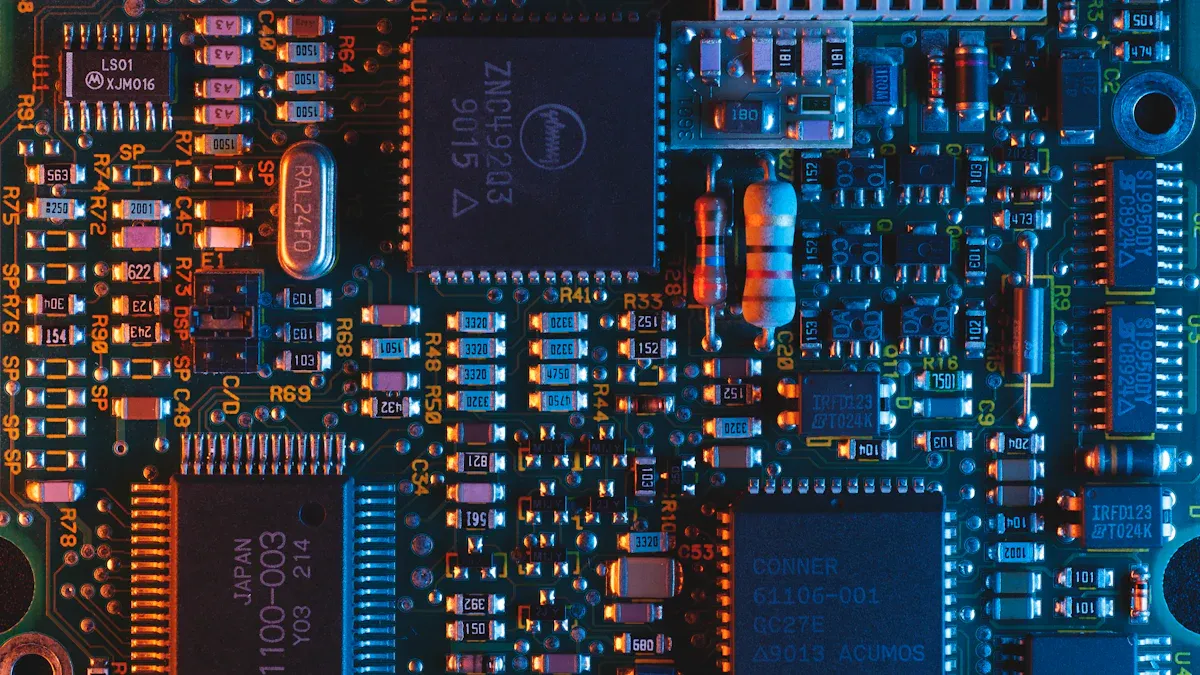
AI hardware prototypes serve as the backbone of modern edge AI devices. These prototypes consist of various components that work together to enhance functionality and performance. Understanding these components is crucial for grasping how they contribute to the efficiency of edge AI applications.
Components of AI Hardware
The main components of an AI hardware prototype include:
Microcontroller Unit (MCU): This is the brain of the prototype, responsible for executing AI models. For instance, the STM32N6 MCU provides 0.6 TOPS (Tera Operations Per Second), enabling efficient AI model execution.
Communication Modules: These allow the prototype to connect with other devices and systems, facilitating data exchange and control.
Image Sensors: High-quality sensors capture visual data, which is essential for applications like surveillance and object detection.
Power Management Systems: These components ensure that the device operates efficiently, optimizing power consumption while maintaining performance.
The interaction between these components is vital for enabling edge AI functionalities. The following table summarizes how these features contribute to the overall performance of AI hardware prototypes:
Feature | Description |
|---|---|
Modular Design | Enables easy interchange of communication modules, image sensors, and power options. |
Processing Power | 0.6 TOPS provided by the STM32N6 Microcontroller Unit (MCU) for efficient AI model execution. |
Local AI Model Execution | Supports running AI models locally, enhancing edge AI functionalities. |
Event-Triggered Capture Methods | Can automatically wake and run edge inference based on external sensor triggers. |
Role in Edge AI
AI hardware prototypes play a pivotal role in the realm of edge AI. They allow devices to process data locally, reducing latency and improving response times. This capability is particularly important in security applications, where real-time processing can mean the difference between effective surveillance and missed opportunities.
The efficiency of AI hardware prototypes significantly enhances the accuracy of edge AI devices. For example, they can achieve performance metrics that are 14 times more efficient than comparable systems. This efficiency translates into improved accuracy, with models supporting up to 17 million parameters and achieving results very close to those of traditional digital hardware setups. The following table illustrates these performance metrics:
Metric | Value |
|---|---|
Performance per watt | 14 times more efficient than comparable systems |
Number of weights | 45 million weights on 140 million PCM devices |
Parameters supported | Models with up to 17 million parameters |
Accuracy | Very close to digital hardware setups |
Edge AI Applications
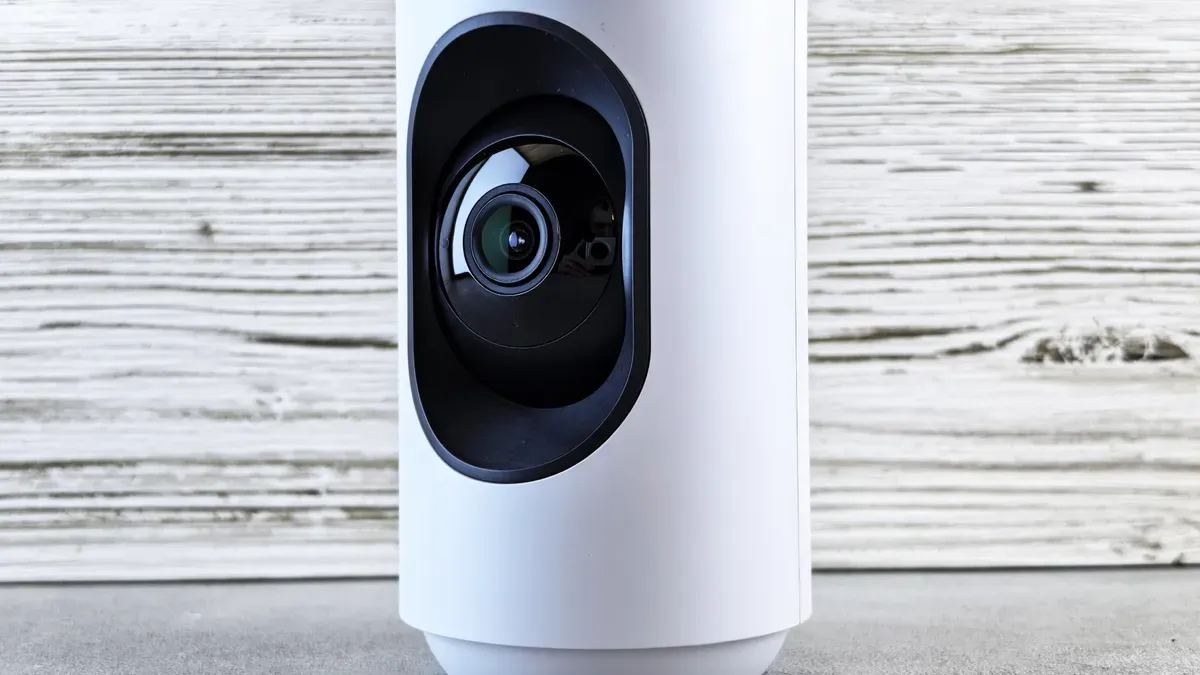
Edge AI applications have transformed the landscape of security and vision technologies. These applications leverage the capabilities of AI hardware prototypes to deliver real-time processing, enhance surveillance systems, and integrate multiple sensor inputs for improved accuracy.
Real-Time Processing in Security
Real-time processing is crucial in security applications. It allows systems to analyze data as it is captured, enabling immediate responses to potential threats. You benefit from enhanced security features through the integration of real-time AI into workloads. For instance, IBM’s advancements in AI hardware demonstrate how real-time processing enhances security through features like Validated Boot and remote attestation. This integration allows for quick recovery from cyber incidents by detecting data corruption and breaches in real-time.
Key Benefits of Real-Time Processing:
Immediate threat detection and response.
Enhanced data integrity and security.
Reduced downtime during security breaches.
AI Security Cameras
AI security cameras represent a significant advancement in surveillance technology. These cameras utilize AI hardware prototypes to perform complex tasks such as motion detection, object recognition, and anomaly detection. The following table outlines the technical specifications of AI security cameras deployed in Israel:
Feature | Description |
|---|---|
Real-time video analytics | Computer Vision for motion, object detection, anomalies, and patterns. |
Edge AI | Processing near the data source, ensuring low latency and stability in critical environments. |
Camera & sensor integration | Integration with CCTV, control systems, APIs, and municipal platforms. |
Smart alerts | Triggers and models that convert raw data into actionable alerts. |
Dashboards & decision support | Control interfaces, maps, and real-time reports for field teams. |
Custom models | Solutions built specifically for operational environments, not off-the-shelf platforms. |
These cameras enhance your security capabilities by providing high-resolution imaging and advanced low-light enhancement technologies. They support various interfaces, such as GMSL2 and MIPI CSI-2, which allow for scalable imaging solutions. Compatibility with leading AI platforms, like NVIDIA Jetson, further enhances performance and reduces development cycles.
Sensor Fusion in Edge Devices
Sensor fusion plays a vital role in edge devices powered by AI hardware prototypes. This technology integrates multiple sensor inputs to create a comprehensive understanding of the environment. You can expect improved accuracy and efficiency in data processing, especially in resource-constrained environments.
Applications of Sensor Fusion:
Sound detection for identifying unusual noises.
Presence detection to monitor occupancy in secure areas.
Gesture sensing for intuitive user interactions.
Motion detection to track movements in real-time.
By combining data from various sensors, edge devices can deliver more reliable and actionable insights. This capability is essential for enhancing security measures and ensuring effective surveillance.
Israeli Innovations in AI Hardware
Israeli companies lead the way in developing AI hardware prototypes that enhance vision and security applications. Their innovative approaches and cutting-edge technologies set them apart in the global market.
Leading Companies
Several companies in Israel have made significant strides in AI hardware development. Here are a few notable examples:
Hailo Technologies Ltd.: Hailo has created an AI processor tailored for deep learning applications in devices like autonomous cars and smart cameras. This processor excels in low energy consumption and operational flexibility, making it ideal for edge AI applications.
NeuroBlade Ltd.: NeuroBlade is preparing to launch its first prototype, which promises to consume only a tenth of the voltage of Nvidia processors while delivering 50 times greater performance. This positions NeuroBlade as a formidable player in the AI hardware landscape.
Successful Projects
Israeli companies have also formed strategic partnerships to advance AI hardware prototypes. For instance, IBM collaborates with NeuReality to develop next-generation AI inference platforms. This partnership aims to enhance AI infrastructure, aligning with IBM’s vision of delivering advanced AI systems.
Additionally, NVIDIA’s acquisition of the Israeli AI startup Illumex for approximately $60 million strengthens its AI initiatives. This strategic move integrates Illumex’s expertise into NVIDIA’s operations, further enhancing its capabilities in AI hardware.
These collaborations and innovations demonstrate Israel’s commitment to pushing the boundaries of AI technology. As you explore these advancements, you can appreciate how they contribute to more efficient and effective security solutions.
Benefits of AI Hardware Prototypes
AI hardware prototypes offer significant advantages that enhance both performance and security in edge AI devices. You can expect these benefits to transform your experience with technology, especially in critical applications.
Performance Improvements
One of the most notable benefits of AI hardware prototypes is their ability to improve performance. These prototypes utilize advanced architectures that enable faster processing speeds and reduced latency. For example, the CamThink NeoEyes NE503 employs a Hailo-15H chip, which combines a quad-core Cortex-A53 processor with a Neural Processing Unit (NPU). This setup delivers an impressive 20 TOPS at INT8, allowing deep-learning models to execute directly on the device.
Moreover, the implementation of a ‘Zero-copy Pipeline’ enhances efficiency by using Direct Memory Access (DMA) and Shared Memory (SHM) for data transfer. This method reduces latency to under 50 milliseconds, enabling the camera to run multiple AI models concurrently. As a result, you experience seamless performance in various AI workloads, making these prototypes ideal for real-time applications.
Enhanced Security Features
AI hardware prototypes also bolster security features significantly. By processing data locally, these devices minimize the risk of data breaches and enhance overall system integrity. You benefit from immediate threat detection and response capabilities, which are crucial in security applications.
The integration of AI inferencing allows for advanced surveillance systems that can identify anomalies and respond to potential threats in real-time. This proactive approach ensures that you maintain a secure environment, whether in public spaces or private facilities. Additionally, the energy-efficient designs of these prototypes contribute to sustainable operations, making them a smart choice for long-term security solutions.
Future Trends in AI Hardware
Emerging Technologies
The landscape of AI hardware is evolving rapidly, driven by advancements in semiconductor technology and innovative architectures. You can expect several emerging technologies to shape the future of AI hardware prototypes, particularly for edge AI devices.
Neuromorphic Computing: This technology mimics the human brain’s architecture, allowing for efficient processing of complex AI models. Chips like IBM’s NorthPole and Hermes utilize in-memory computing, which reduces energy consumption and latency. This design is ideal for applications such as robotics and video analytics, where real-time processing is crucial.
Analog Chips: IBM Research is pioneering analog chips that use materials like Phase Change Memory (PCM) and Resistive RAM (RRAM). These chips store synaptic weights physically, enabling fine adjustments during AI training. Their compact design supports energy-efficient computation, making them suitable for edge AI devices.
Advanced Semiconductor Materials: The use of new materials enhances the performance of AI hardware prototypes. For instance, NorthPole achieves 72.7 times higher energy efficiency compared to traditional GPUs. This efficiency allows for massive compute parallelism, optimizing performance for edge AI applications.
Impact on Security Applications
The advancements in AI hardware prototypes significantly impact security applications. You will see improvements in real-time data processing and threat detection capabilities. The following table illustrates the performance metrics of emerging AI hardware technologies:
Technology | Speed (Inference) | Energy Efficiency | Application Areas |
|---|---|---|---|
Neuromorphic Chips | 46.9 times faster | 72.7 times higher | Robotics, Video Analytics |
Analog Chips | Flexible updates | Energy-efficient | Edge AI Devices |
Advanced Semiconductor | High parallelism | Optimized for edge | Security Surveillance, Anomaly Detection |
As these technologies mature, you can expect AI hardware prototypes to become more compact and powerful. This evolution will enhance your security systems, allowing for faster responses to potential threats. The integration of these advanced prototypes will lead to more reliable and efficient surveillance solutions, ensuring a safer environment.
AI hardware prototypes are transforming the landscape of vision and security technologies. You’ve seen how these innovations enable real-time processing, enhance surveillance systems, and integrate sensor fusion for unparalleled accuracy. Israeli companies lead this revolution, leveraging cutting-edge designs to deliver efficient and secure solutions. By embracing rapid prototyping and advanced architectures, these prototypes empower you to address complex challenges with precision. As AI continues to evolve, these advancements will redefine the possibilities for edge devices, ensuring a safer and smarter future.
FAQ
What are the key benefits of AI hardware prototypes?
AI hardware prototypes offer rapid prototyping, enabling quick iterations and adjustments. They support small-batch trial production, allowing you to test designs before full-scale manufacturing. This flexibility meets market demands for fast R&D and confidentiality.
How does bonysn support rapid prototyping?
Bonysn excels in rapid prototyping by providing quick evaluations based on Gerber files, BOMs, and sample images. This process allows you to assess designs efficiently, ensuring that your projects stay on track and meet deadlines.
What industries benefit from AI hardware prototypes?
Industries such as security, automotive, and healthcare benefit significantly from AI hardware prototypes. These sectors require advanced technology for real-time processing, making prototypes essential for developing innovative solutions.
Can bonysn handle complex board designs?
Yes, bonysn specializes in complex board designs. Their expertise in OEM/ODM services ensures that you receive tailored solutions that meet your specific requirements, enhancing your product’s performance and reliability.
How does bonysn ensure confidentiality during development?
Bonysn prioritizes confidentiality by implementing strict protocols throughout the development process. You can trust that your designs and intellectual property remain secure while they work on your projects.
See Also
Comprehensive AI PCB Assembly for Ireland’s MedTech and IoT Firms
Advanced AI PCB Assembly for Canadian Vision and Surveillance Tools
Complete AI PCB Assembly Solutions for Singapore’s IoT and MedTech
Precision AI PCB Assembly for Swiss Medical and Measurement Equipment
AI-Driven Sensor PCB Assembly for Sweden’s Industrial IoT Solutions