
The rise of AI medical PCBs marks a significant advancement in health monitoring devices. These technologies enable you to create smarter, more efficient devices that can transform patient care. For UK developers, integrating AI into your projects not only enhances device functionality but also improves health outcomes. By leveraging the capabilities of ai medical pcb, you can lead the charge in innovative healthcare solutions that meet the demands of a rapidly evolving industry.
Key Takeaways
AI medical PCBs enhance health device functionality, leading to improved patient outcomes through real-time data processing and predictive analytics.
Utilising advanced design techniques, such as Cadence Allegro X AI, streamlines the PCB design process, saving time and increasing reliability.
Onboard AI chips enable immediate decision-making in health monitoring devices, allowing for proactive health management and timely interventions.
Collaborating with healthcare providers ensures that your innovations meet real-world needs, fostering trust and enhancing device reliability.
Adhering to regulatory standards, like ISO 13485, is crucial for ensuring the safety and effectiveness of medical devices, reducing risks associated with failures.
AI Medical PCB Technology
Advanced Design Techniques
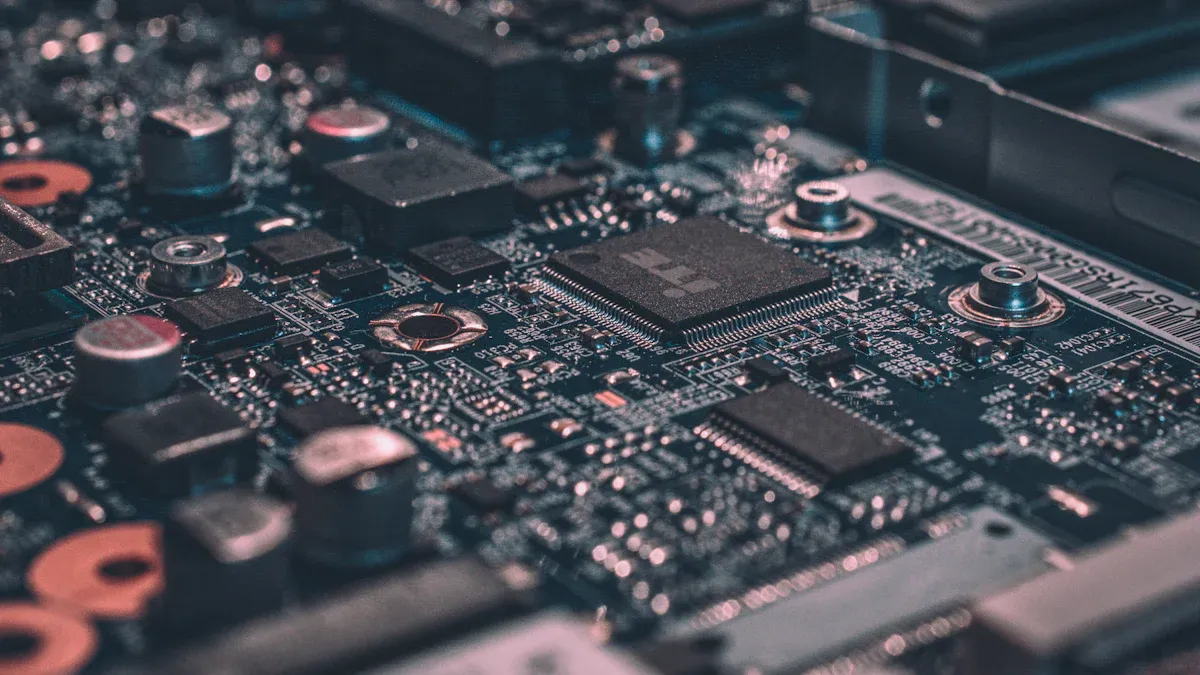
Integrating AI into printed circuit boards (PCBs) significantly enhances the design process for medical electronics. You can leverage advanced design techniques to improve efficiency and reliability. Here are some of the most effective methods currently in use:
Cadence Allegro X AI: This tool enhances productivity and efficiency in PCB design, allowing you to create complex layouts with ease.
Placement AI: This technology reduces PCB placement times significantly, optimising the design process and ensuring quicker turnaround.
Copper AI: This tool assists in generating optimal power and ground plane configurations rapidly, which is crucial for maintaining device performance.
Route AI: Automating the routing process improves speed and accuracy, ensuring that your designs meet stringent medical standards.
Design Aware: This feature leverages existing design data for effective AI automation, allowing you to build on previous successes.
These techniques not only streamline the design process but also enhance the reliability and safety of your AI medical PCBs. AI tools, such as generative design algorithms, suggest innovative design alternatives based on specified constraints. This leads to novel and optimised solutions tailored for health monitoring applications. Furthermore, AI systems adapt quickly to changes in design requirements, which is crucial in dynamic environments like healthcare.
Onboard AI Chips
Onboard AI chips play a pivotal role in the functionality of AI medical PCBs. These chips enable real-time data processing, allowing devices to make immediate decisions based on the information they collect. Key components and design considerations for these medical PCBs include:
Materials: Utilising specialised materials like high temperature-resistant laminates and biocompatible substrates ensures durability and safety in medical applications.
Manufacturing Processes: Advanced techniques such as laser drilling and micro vias are essential for high-density interconnect (HDI) PCBs, which are often required in compact medical devices.
Design Considerations: You must prioritise factors like regulatory compliance, signal integrity, and thermal performance in your PCB designs. These elements are critical for ensuring that your devices operate safely and effectively in real-world scenarios.
By incorporating onboard AI chips, you enhance the capabilities of your health monitoring devices. These chips allow for predictive analytics, enabling proactive health management. They can also identify potential issues in manufacturing and operation, allowing for timely interventions and design optimisation.
Applications in Health Monitoring
Wearable Health Monitors
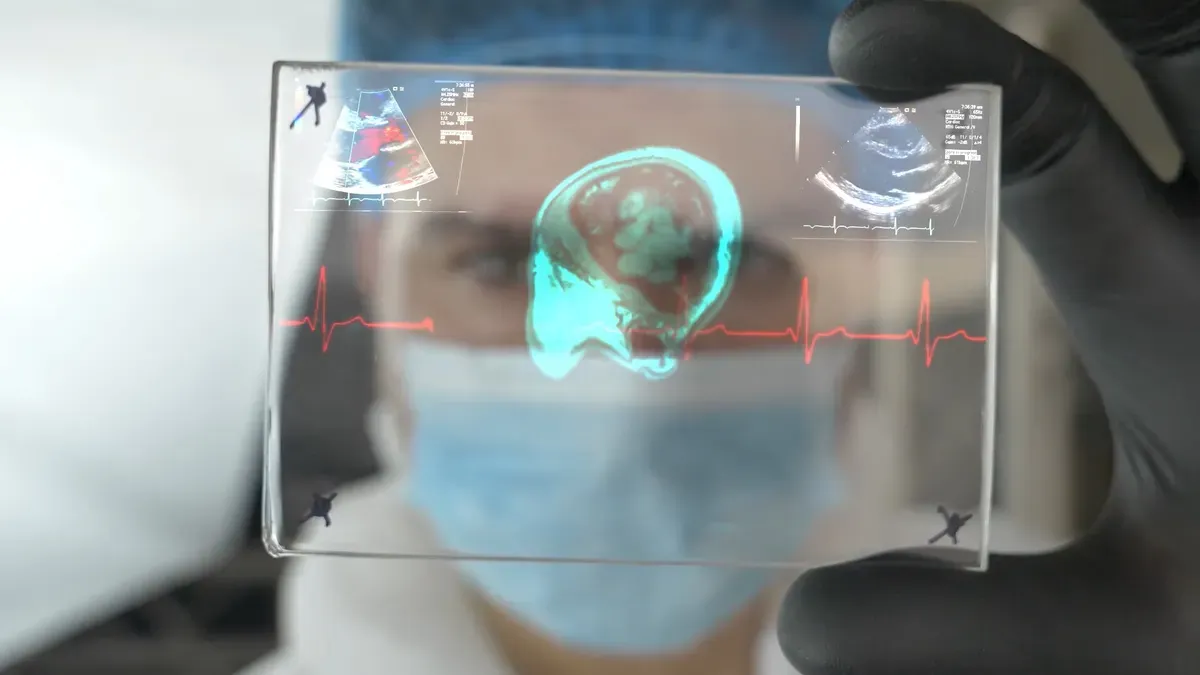
Wearable health monitors have revolutionised patient care by providing continuous health data. These devices, often referred to as mobile health solutions, utilise AI medical PCBs to enhance their functionality. With real-time monitoring capabilities, they allow healthcare professionals to tailor therapies based on individual patient data, including genetic information and real-time metrics. This leads to improved health outcomes.
Here are some key advantages of AI-enabled wearable health monitors compared to non-AI devices:
Aspect | AI-Enabled Wearable Monitors | Non-AI Devices |
|---|---|---|
Real-time Monitoring | Yes | Limited |
Personalised Interventions | Yes | No |
Predictive Analytics | Yes | No |
Injury Prevention | Yes | Limited |
Customisation of Care | Yes | No |
These devices continuously monitor vital signs, enabling predictive analytics that can alert users and healthcare providers to potential health issues before they escalate. Applications in glucose monitoring and cardiovascular risk detection exemplify how these wearable medical gadgets can significantly enhance patient care.
Remote Care Sensors
Remote care sensors represent another critical application of AI medical PCBs in health monitoring. These sensors facilitate the management of chronic diseases by providing healthcare professionals with timely data. They include a variety of devices, such as:
Medical imaging devices: MRI, CT scanners, and ultrasounds that utilise PCBs for accurate image generation.
Wearable devices: Heart rate monitors, blood sugar monitors, and pulse oximeters that track health metrics and send data in real-time to healthcare providers.
Electronic record keeping: PCB-based systems that store and organise patient records for easy access by healthcare professionals.
Remote care sensors are particularly effective in monitoring chronic conditions. For instance, wearable biosensors assist patients with diabetes and hypertension by continuously tracking health data. Continuous glucose monitors (CGMs) leverage AI to analyse blood sugar levels and suggest insulin adjustments. Smartwatches equipped with AI capabilities can detect irregular heart rhythms, alerting healthcare providers promptly.
By integrating AI medical PCBs into these devices, you enhance their ability to provide personalised care and improve patient outcomes. The shift towards remote monitoring not only empowers patients but also alleviates pressure on healthcare systems, making it a vital component of modern healthcare.
Case Studies of AI Integration
Innovative Health Tech Startups
Numerous health tech startups have successfully integrated AI medical PCBs into their products, leading to remarkable improvements in patient care. For instance, a startup focused on remote patient monitoring reported significant reductions in hospital readmission rates and adverse drug events. Their innovative wearable devices, powered by advanced printed circuit boards, have transformed how healthcare providers manage chronic conditions.
Here are some measurable outcomes from these startups:
Outcome Type | Measurable Change |
|---|---|
Hospital Readmission Rates | Decreased by 25% |
Adverse Drug Events | Decreased by 30% |
Patient Satisfaction Scores | Reached all-time highs |
Diagnostic Testing Costs | Reduced by 40% |
Administrative Expenses | Decreased by 35% |
Resource Utilization | Improved by 25% |
Length of Stay | Decreased by 15% |
These results demonstrate the potential of AI medical PCBs to enhance the functionality of medical electronics, ultimately leading to better health outcomes.
Partnerships with Hospitals
Collaborations between health tech startups and hospitals have proven essential for advancing AI integration in healthcare. These partnerships allow developers to test their innovations in real-world settings, providing valuable feedback for further improvements. For example, a notable partnership between a health tech startup and a leading hospital resulted in the development of a smart monitoring system that tracks patient vitals in real-time. This system utilises AI medical PCBs to analyse data and alert healthcare professionals to any anomalies.
Such collaborations not only enhance the reliability of medical devices but also foster innovation in healthcare delivery. By working closely with healthcare providers, you can ensure that your products meet the specific needs of patients and clinicians alike. This synergy between technology and healthcare is vital for driving the future of medical electronics.
Benefits for UK Developers
Enhancing Device Functionality
AI medical PCBs significantly enhance the functionality of health devices. By integrating AI and machine learning, you can improve accuracy in diagnostics and treatment. Here are some key benefits:
Improved Accuracy: AI algorithms refine data analysis, leading to more precise health monitoring.
Personalised Treatment Plans: These PCBs enable tailored therapies based on individual patient data.
Predictive Analytics: You can identify health risks before they escalate into critical issues.
Machine learning also enhances predictive analytics in diagnostic tools. It aids in anomaly detection and image processing, improving overall accuracy and efficiency. This capability allows you to develop devices that not only monitor health but also proactively manage it.
Streamlining Development Processes
The integration of AI medical PCBs streamlines your development processes. Automation of repetitive tasks, such as routing and layout optimisation, saves you valuable time. This efficiency allows you to focus on innovation rather than mundane tasks.
Testing and certification are crucial in the medical device industry. Adhering to standards ensures safety and effectiveness. Here are some key standards you should consider:
Standard | Description |
|---|---|
ISO 13485 | Outlines requirements for a quality management system specific to the medical device industry. |
IEC 60601-1 | Focuses on safety and essential performance of medical electrical equipment, preventing electrical hazards. |
IEC 62304 | Pertains to software lifecycle processes for medical device software, ensuring safe design and maintenance. |
UL 61010 | Provides requirements for safety testing and certification of electrical equipment. |
FDA Regulations | Ensures compliance with Good Manufacturing Practices (GMP) for device safety and effectiveness. |
By following these standards, you can reduce risks associated with device failures and enhance user trust. The overall benefits of AI medical PCBs compared to traditional PCBs include:
Benefit | Description |
|---|---|
Automation of Repetitive Tasks | AI automates tasks like routing and layout optimisation, saving time for developers. |
Enhanced Design Efficiency | AI tools provide real-time suggestions and identify issues early, improving reliability. |
Reduced Design Time | Automation leads to faster project completion, allowing more time for innovation. |
Handling Complex Designs | AI enables the creation of intricate PCBs that are difficult to design manually. |
Error Prediction and Prevention | AI predicts design errors, enhancing precision and reducing costly revisions. |
Cost Savings | Optimisation of resources leads to lower overall costs in PCB development. |
By embracing AI medical PCBs, you position yourself at the forefront of medical technology, ready to deliver innovative solutions that meet the evolving needs of healthcare.
Integrating AI medical PCBs into health monitoring devices offers significant advantages for developers in the UK. These technologies enhance device functionality, improve patient outcomes, and streamline development processes. Key trends highlight the shift towards active interventions, real-time data analysis, and improved security in wearables.
Key Trend | Description |
|---|---|
Active Interventions | Wearables are evolving from passive tracking to actively intervening in health management. |
Real-Time Data Analysis | Devices are capable of analysing data locally in real time, leading to faster alerts for critical health events. |
Improved Security | Future wearables will be designed as secure, interoperable nodes within broader digital health systems. |
As you explore these innovations, consider how they can transform the health care industry and lead to better health solutions for patients.
FAQ
What are AI medical PCBs?
AI medical PCBs are printed circuit boards that integrate artificial intelligence to enhance the functionality of health monitoring devices. They enable real-time data processing, predictive analytics, and personalised patient care.
How do AI medical PCBs improve patient outcomes?
These PCBs facilitate continuous health monitoring, allowing healthcare providers to tailor interventions based on real-time data. This proactive approach can lead to early detection of health issues and improved treatment efficacy.
What advantages does bonysn offer for PCBA?
Bonysn provides high reliability in PCBA, supports small batch production, and offers BOM kitting and functional testing. Their engineering prototype production ensures that you receive quality components tailored to your specific needs.
Are AI medical PCBs compliant with regulations?
Yes, AI medical PCBs must adhere to strict regulatory standards, such as ISO 13485 and IEC 60601-1. Compliance ensures safety, effectiveness, and reliability in medical applications.
How can I get started with AI medical PCB development?
Begin by researching AI integration techniques and design considerations. Collaborate with experienced manufacturers like bonysn for support in prototyping, testing, and certification processes to streamline your development journey.
See Also
Danish Smart Healthcare and IoT Solutions with AI PCBA
Comprehensive AI PCBA Solutions for Irish MedTech Firms
Malaysian Hardware Firms Benefit from AI IoT PCBA Production
Israeli Vision and Security Devices Enhanced by AI PCBA
Swiss Medical and Measurement Devices Utilising High-Precision AI PCBA