AI PCB assembly revolutionizes smart healthcare and IoT devices in Denmark. You will notice improvements in efficiency as these advanced technologies streamline production processes. Reliability also increases, ensuring that devices perform optimally in critical healthcare settings. Moreover, innovation flourishes as AI-driven solutions enable the development of cutting-edge applications. This transformation not only enhances patient care but also paves the way for a healthier future.
Key Takeaways
AI PCB assembly boosts efficiency and reliability in healthcare devices, enhancing patient care and outcomes.
Danish healthcare prioritizes energy-efficient AI hardware, supporting sustainability while meeting strict hygiene standards.
Miniaturization techniques, like flexible printed circuits, allow for compact designs that improve device functionality and user experience.
AI integration automates processes, freeing up healthcare professionals to focus on patient interaction and improving treatment precision.
Collaboration with experienced partners is crucial for successful PCB assembly, ensuring compliance with safety standards and trust in healthcare devices.
AI Hardware Demand in Healthcare
Trends in Smart Healthcare
The Danish healthcare sector is experiencing a significant transformation driven by advanced AI hardware solutions. You will notice a growing emphasis on powerful processors and GPUs capable of handling the demands of AI applications in clinical settings. Hospitals prioritize energy efficiency and sustainability, aiming to reduce their carbon footprint while ensuring reliable operation in environments with strict hygiene standards.
Several key trends are shaping the landscape of smart healthcare technology in Denmark:
Integration of Electronic Health Records (EHRs): All general practitioners maintain EHRs, facilitating seamless data sharing and enhancing patient care.
Widespread Use of Electronic Prescriptions: Approximately 99% of prescriptions are sent electronically to pharmacies, streamlining the medication process.
Electronic Referrals: About 97% of referrals to specialists and hospitals occur electronically, improving communication efficiency among healthcare providers.
National IT Solutions: Initiatives like the Shared Medication Record provide real-time updates on prescriptions and vaccinations, ensuring healthcare professionals have access to the latest patient information.
Sundhed.dk: This national e-health portal attracts 2.3 million unique visitors monthly, demonstrating its importance in the healthcare ecosystem.
AI’s Role in Patient Care
AI integration significantly enhances patient care outcomes in Danish healthcare facilities. By automating time-consuming processes, AI saves thousands of physician hours, allowing healthcare professionals to focus more on patient interaction. This shift leads to improved treatment precision, as AI provides a uniform starting point for doctors to fine-tune therapies.
The impact of AI on patient monitoring and diagnostics is profound. For instance, the implementation of Continuous Vital Sign Monitoring (CVSM) aims to replace episodic vital sign collection. This approach enhances early detection of postoperative complications, improving patient outcomes and reducing hospital stays.
Here are some notable benefits of AI in patient care:
Evidence Description | Impact on Patient Care Outcomes |
|---|---|
AI can save thousands of physician hours by automating time-consuming processes. | Frees up time for healthcare professionals to focus on patient interaction. |
AI provides a uniform starting point for doctors to fine-tune treatments. | Improves the precision of treatments, leading to better patient outcomes. |
AI leads to more uniform assessments in analyzing medical scans. | Results in faster and more efficient treatment for patients. |
Moreover, continuous wireless monitoring has led to a 30% reduction in ICU transfers and a 10% decrease in the length of hospital stays. These statistics highlight the effectiveness of AI technologies in enhancing patient care.
As you can see, the demand for AI hardware in healthcare is not just a trend; it represents a fundamental shift towards more efficient, reliable, and patient-centered care.
PCB Assembly Requirements for Healthcare
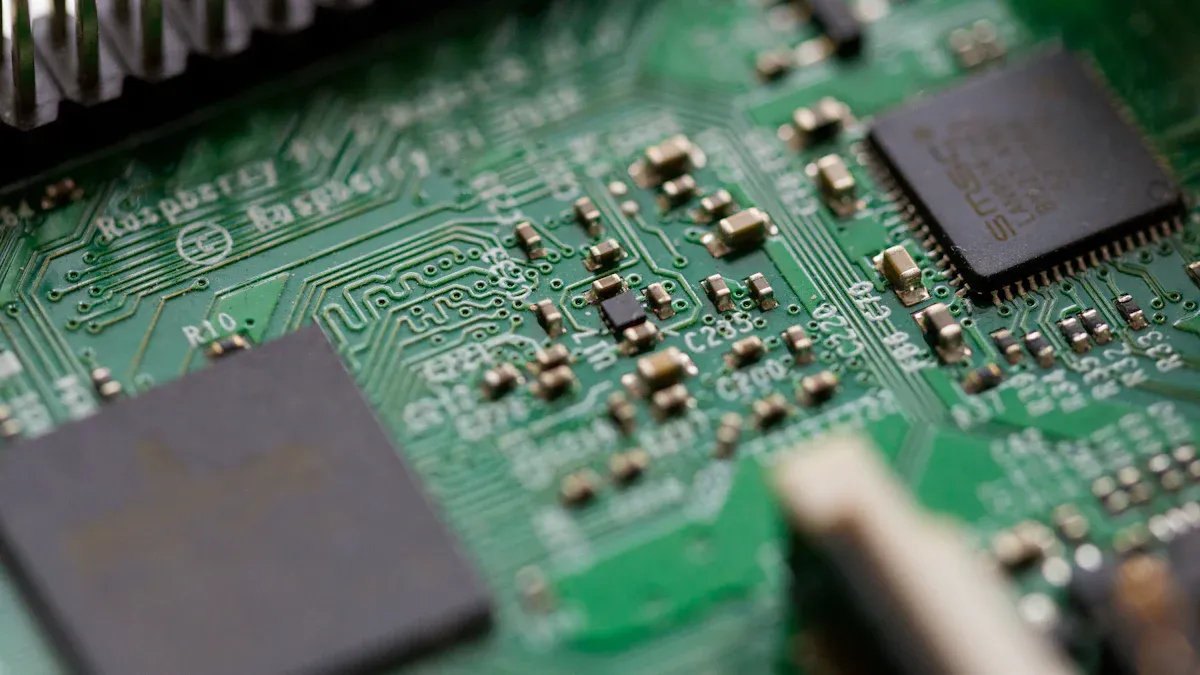
Design Considerations
When designing PCBs for healthcare applications, you must prioritize reliability and safety. Danish manufacturers excel in this area by implementing several key practices:
Aspect | Description |
|---|---|
Controlled Manufacturing | Products are manufactured under controlled conditions to ensure stable quality. |
Certified Testing | Every product undergoes strict functional and electrical testing for safety. |
Adherence to Standards | Compliance with safety standards is emphasized, making safety a priority. |
These practices ensure that healthcare devices function optimally in critical environments. You can trust that the devices you use meet stringent safety requirements, which is essential for patient care.
Miniaturization Techniques
Miniaturization plays a crucial role in the development of modern healthcare devices. As technology advances, the demand for smaller, more efficient components increases. In Denmark, manufacturers utilize innovative techniques to achieve this goal.
One popular approach is the use of flexible printed circuits (FPC) and rigid-flex designs. These techniques allow for compact designs without sacrificing performance. Here are some features of these miniaturization techniques:
Feature | Description |
|---|---|
Connector Series | Fischer MiniMax™ Series |
Size | Ø 10 mm receptacle (size 06) with up to 12 contacts |
Density Factor | 0.83 (unique for a connector with standard 0.5 mm contacts) |
Space Saving | Up to 45% space saving compared to standard receptacles with a similar number of contacts |
Weight Reduction | Up to 75% weight saving, maximizing performance while minimizing integration burden |
Applications | Suitable for sensors, mobile electronics, autonomous robotics, and vehicles |
Design Flexibility | Offers OEM engineers flexibility in design with various connectivity solutions |
High-Speed Capability | Supports USB 3.2 Gen 2 (10 Gbit/s) and high power up to 8A |
Multi-Protocol Support | Supports multi-protocol data transmission (HDMI, USB, Ethernet) |
These advancements in miniaturization not only enhance device functionality but also improve user experience. As you explore the world of AI PCB assembly, you will see how these innovations contribute to the future of healthcare technology.
AI PCB Assembly Applications in Smart Healthcare
Health Monitoring Devices
Health monitoring devices play a crucial role in modern healthcare, enabling continuous tracking of patient vitals and health metrics. These devices leverage AI PCB assembly to enhance their functionality and reliability. For instance, wearable devices such as smartwatches and fitness trackers utilize advanced sensors and AI algorithms to monitor heart rates, blood pressure, and even glucose levels in real-time.
You can find several examples of health monitoring devices that utilize AI PCB assembly effectively:
Wearable ECG Monitors: These devices provide continuous electrocardiogram readings, allowing for early detection of heart irregularities. The integration of AI enhances the accuracy of readings and alerts users to potential health issues.
Smart Diabetes Management Systems: These systems use AI to analyze blood glucose levels and provide personalized recommendations for insulin administration. This capability significantly improves patient outcomes by ensuring timely interventions.
Remote Patient Monitoring Systems: These systems collect data from patients at home and transmit it to healthcare providers. AI algorithms analyze the data, enabling proactive care and reducing hospital visits.
According to Dr. Anna Jensen, a leading expert in digital health, “AI PCB assembly has transformed health monitoring devices, making them more efficient and reliable. The precision in design and functionality allows for better patient outcomes and enhanced user experience.”
IoT Solutions
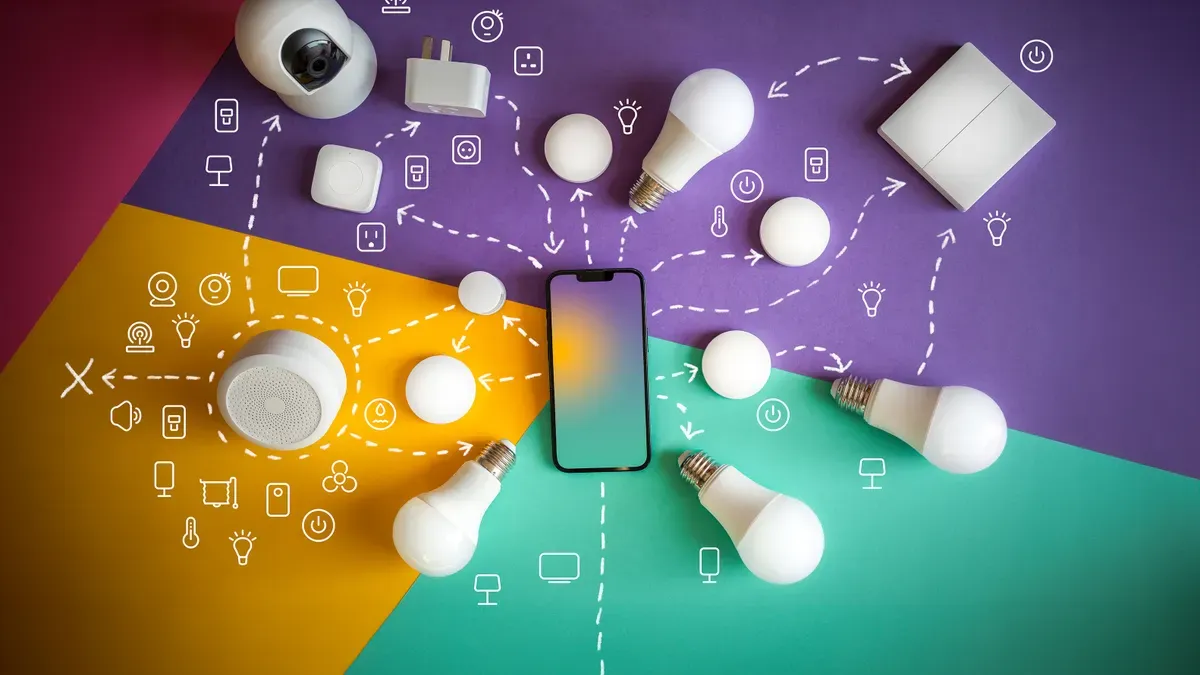
The Internet of Things (IoT) has revolutionized remote patient management in Denmark. IoT solutions enable healthcare providers to monitor patients outside traditional clinical settings, improving access to care and patient engagement. AI PCB assembly plays a vital role in the development of these IoT devices, ensuring they are compact, efficient, and capable of handling complex data processing.
Here are some key IoT solutions that utilize AI PCB assembly:
Smart Home Health Devices: These devices, such as smart pill dispensers and health monitoring sensors, allow patients to manage their health from home. They send alerts to caregivers and healthcare providers, ensuring timely interventions when necessary.
Telehealth Platforms: These platforms integrate various IoT devices to facilitate remote consultations. AI algorithms analyze patient data collected from multiple sources, providing healthcare professionals with comprehensive insights for better decision-making.
Connected Medical Equipment: Devices like smart inhalers and wearable blood pressure monitors collect data and communicate with healthcare systems. This connectivity allows for real-time monitoring and personalized care plans.
However, with the rise of IoT healthcare devices, security and privacy considerations have become paramount. In Denmark, the increase in cyberattacks has led to stricter regulations for medical technologies. In 2023, there were 2,365 cyberattacks affecting over 343 million victims, marking a 72% increase from 2021. Ransomware attacks targeting the healthcare sector have nearly doubled since 2022, emphasizing the urgent need for enhanced cybersecurity measures.
To address these concerns, EU regulations such as Regulation (EU) 2017/745 (MDR) and Regulation (EU) 2017/746 (IVDR) mandate that software for medical devices adhere to the latest standards. Manufacturers must implement minimum IT security measures to protect against unauthorized access, ensuring the safe operation of medical devices.
Case Study: AI PCB Assembly in Denmark
Successful Implementation
One notable success story in Denmark’s healthcare sector involves a startup called MedTech Innovations. This company specializes in developing advanced health monitoring devices. They adopted AI PCB assembly to enhance their product offerings. By leveraging bonysn’s capabilities in FPC and rigid-flex designs, MedTech Innovations created compact and efficient devices that meet the rigorous demands of healthcare environments.
The startup’s flagship product, a wearable ECG monitor, showcases the effectiveness of AI PCB assembly. This device continuously tracks heart activity and alerts users to irregularities. The integration of AI algorithms allows for real-time data analysis, improving patient outcomes. Users have reported a significant increase in the accuracy of their health data, leading to timely medical interventions.
Lessons Learned
MedTech Innovations learned several valuable lessons during their journey. First, they recognized the importance of collaboration with experienced PCB assembly partners. Working with bonysn provided them with insights into design optimization and manufacturing processes. This partnership enabled them to streamline production and reduce time-to-market.
Second, they discovered the necessity of adhering to strict regulatory standards. Compliance with safety regulations ensured that their devices gained trust among healthcare professionals and patients alike. This trust is crucial in the healthcare sector, where reliability is paramount.
Looking ahead, the future prospects for AI PCB assembly in Denmark’s healthcare and IoT sectors appear promising. The following table outlines key AI hardware markets projected for 2026:
Key AI Hardware Markets in 2026 |
|---|
Edge AI Devices |
Industrial AI Systems |
Computer Vision Modules |
Robotics & Drones |
Smart Vehicles |
AIoT Gateways |
Medical AI Equipment |
As you can see, the landscape is evolving rapidly. MedTech Innovations plans to expand its product line, focusing on integrating AI PCB assembly into new devices. This strategy positions them to capitalize on the growing demand for smart healthcare solutions.
AI PCB assembly significantly enhances smart healthcare and IoT devices in Denmark. You benefit from improved efficiency, reliability, and innovation in healthcare technology. Key factors driving this transformation include collaboration between industry leaders like Siemens and NVIDIA, which focuses on developing industrial AI solutions. The integration of AI into operations boosts productivity in PCB assembly.
As you look to the future, expect continued advancements in AI-assisted capabilities, such as layout guidance and circuit optimization. These innovations will optimize the entire lifecycle of healthcare devices, paving the way for a healthier tomorrow.
FAQ
What is AI PCB assembly?
AI PCB assembly refers to the use of artificial intelligence in the manufacturing process of printed circuit boards (PCBs). This technology enhances efficiency, accuracy, and reliability in producing PCBs for healthcare and IoT devices.
How does AI improve patient care?
AI improves patient care by automating processes, allowing healthcare professionals to focus on direct patient interaction. It enhances diagnostics and monitoring, leading to better treatment outcomes and reduced hospital stays.
What are the benefits of using bonysn for PCB assembly?
Bonysn specializes in FPC, rigid-flex, multilayer PCB, and PCBA assembly. Their expertise ensures high-quality, reliable products that meet stringent healthcare standards, ultimately enhancing device performance and patient safety.
Why is miniaturization important in healthcare devices?
Miniaturization allows for smaller, more efficient healthcare devices. This leads to improved portability and user experience, making it easier for patients to manage their health with wearable and remote monitoring technologies.
How can I ensure the security of IoT healthcare devices?
To ensure security, choose devices that comply with EU regulations and industry standards. Regular software updates and robust cybersecurity measures are essential to protect sensitive patient data from unauthorized access.
See Also
Comprehensive AI PCBA Solutions for Ireland’s MedTech Sector
All-Inclusive AI PCBA Offerings for Singaporean IoT Initiatives
AI-Driven Sensor PCBA for Sweden’s Industrial Energy Solutions
Prototype AI Hardware PCBA for Israel’s Vision Security Tech