
AI, especially OpenAI models, increasingly powers smart city applications. You see this in traffic management, environmental monitoring, and public safety systems. Urban environments, however, present significant thermal challenges. Solar radiation and the urban heat island effect can severely impact these AI systems. High temperatures degrade their reliability and performance. This blog explores critical design considerations for high-temperature resilient PCBA and AI edge boxes. It also examines the role of OEM solutions in enabling robust OpenAI smart city hardware. You need to ensure your AI hardware longevity and performance in harsh urban heat.
Key Takeaways
Smart city heat from sunshine and urban warmth hurts fragile AI hardware systems.
Choose high-grade industrial parts and strong protective circuit board materials for extreme temperatures.
Combine sealed box designs with external cooling fans to protect electronics from heat and dust.
Use model quantization to shrink AI programs so small edge devices run efficiently.
Partner with expert hardware makers to test, customize, and build reliable smart city equipment.
Heat Challenges in Smart City AI
Environmental Heat Factors
Urban environments present unique and severe thermal challenges for AI hardware. Cities, especially those with high population density, experience a phenomenon known as the urban heat island effect. This causes them to be significantly warmer than surrounding rural areas. For instance, urban core clusters show a surface warming trend of 0.050 ± 0.020 K per year, which is 29% greater than rural backgrounds. Megacities face an even more pronounced issue, with a warming trend of 0.059 ± 0.023 K per year, a staggering 47% greater than rural areas. This consistent elevation in ambient temperature creates a baseline thermal stress for all deployed AI systems.
Beyond ambient heat, direct solar radiation significantly contributes to thermal load. Solar intensity is highest near the equator and in tropical regions, where the sun is often directly overhead. On a clear summer day, the typical maximum solar radiation reaching the surface can be 1000 W/m². In tropical latitudes, peak values can reach around 935 W/m² at 23°N in June and 1050 W/m² at 23°S in December. This intense solar exposure, combined with high ambient temperatures, can push the surface temperatures of unshaded outdoor electronic enclosures to extreme levels. For example, in the UAE desert climate, surface temperatures on unshaded enclosures exceed 70°C during summer. Dust accumulation, a common issue in many urban and arid environments, further exacerbates heat retention by insulating components and blocking ventilation.
Heat’s Impact on AI PCBA
High temperatures severely impact the performance and lifespan of AI PCBA (Printed Circuit Board Assembly). When components operate above their specified temperature limits, you see a direct reduction in their efficiency and reliability. This thermal stress accelerates material degradation, leading to premature component failure and a shortened overall lifespan for your AI devices. For instance, prolonged exposure to elevated temperatures can cause solder joints to weaken, capacitors to dry out, and semiconductor performance to degrade, directly affecting the processing power and accuracy of OpenAI models running at the edge.
These thermal challenges, combined with outdoor power fluctuations, create a hostile operating environment for smart city AI hardware. Unstable power can generate additional heat, further stressing already hot components. This leads to intermittent operation, data corruption, or complete system shutdowns. For critical applications like traffic management, public safety, or environmental monitoring, such failures are unacceptable. You need robust PCBA designs that can withstand these conditions to ensure continuous, reliable operation of smart city AI edge boxes, outdoor guide screens, and parking management terminals, protecting your investment and maintaining urban service quality.
High-Temp AI PCBA Design Principles
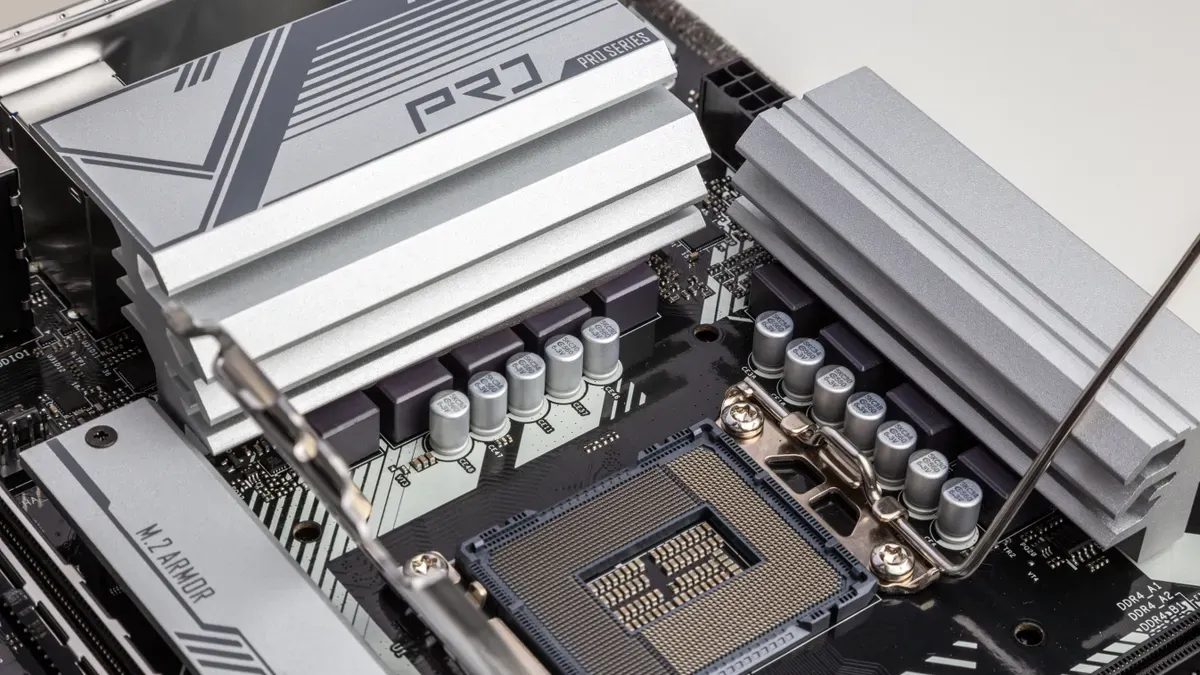
Designing PCBAs for high-temperature AI applications in smart cities requires a deliberate focus on resilience and efficiency. You must implement core strategies to ensure these systems operate reliably in challenging urban environments. This includes careful component selection and advanced thermal management techniques. These principles apply to various hardware, such as AI surveillance PCBAs, ensuring they withstand and perform efficiently in elevated temperatures.
Extreme Temp Component Selection
Selecting components for high-temperature AI PCBAs is crucial for long-term reliability. You must choose parts rated for extended operating temperature ranges, often industrial or automotive grade. These components can withstand ambient temperatures from -40°C to 85°C or even higher. Standard commercial-grade components, typically rated for 0°C to 70°C, will quickly fail in smart city deployments. You should prioritize integrated circuits, resistors, capacitors, and connectors with higher temperature coefficients and robust packaging. For instance, you might select capacitors with solid polymer dielectrics over electrolytic types, as they offer superior stability and lifespan at elevated temperatures. Furthermore, the PCB itself requires attention. Using high-Tg (glass transition temperature) laminates, such as those with a Tg of 170°C or higher, prevents delamination and ensures structural integrity when the board experiences significant heat. This material choice maintains the board’s mechanical stability and electrical performance under thermal stress. You also need to consider surge protection for all input/output lines. Urban environments often experience power fluctuations and lightning strikes, which can damage sensitive AI hardware. Integrating robust surge protection devices directly onto the PCBA safeguards the system from transient voltage spikes, ensuring continuous operation.
Advanced Thermal Management
Effective thermal management is paramount for high-temperature AI PCBAs. You must prevent heat buildup within the enclosure and dissipate it efficiently. One critical decision involves the cooling method. You can choose between active cooling, which uses fans, or passive cooling, which relies on heat sinks and convection.
Reliability Factor | Active Cooling | Passive Cooling (Fanless) |
|---|---|---|
Environmental Resilience | Difficult to seal; requires vents/filters; disqualified from IP65/IP67 | Completely sealed, ventless; immune to water, dust, corrosive gases |
Maintenance & MTBF | High maintenance (filter cleaning/replacement); mechanical fan failure risk | Near-zero thermal maintenance; significantly longer lifespan due to no moving parts |
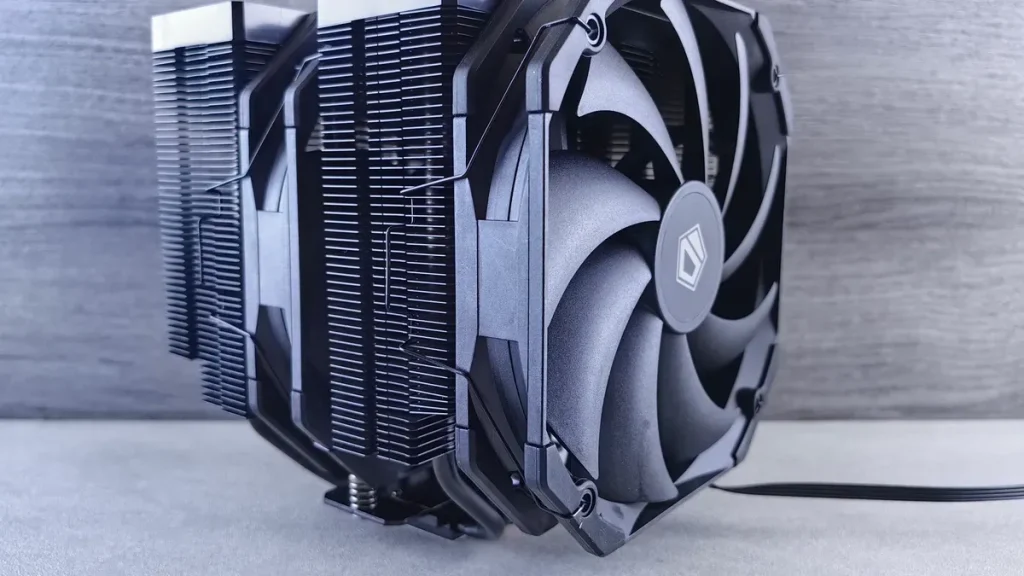
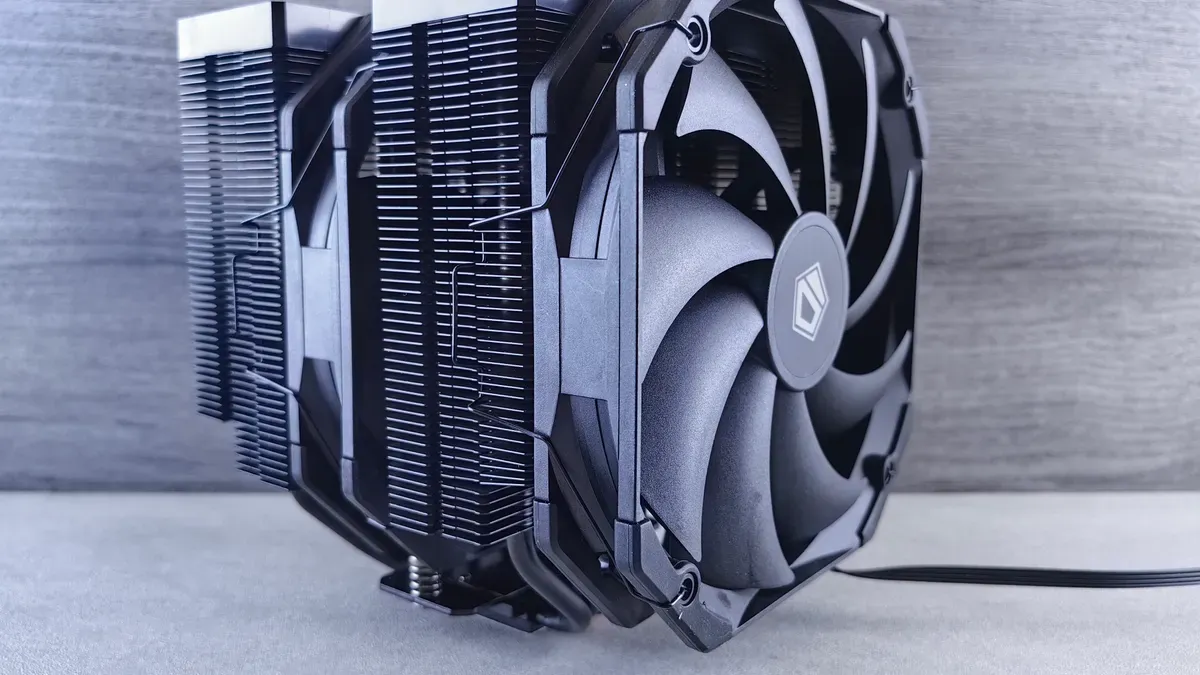
Active cooling offers higher heat dissipation capacity but introduces mechanical failure points and compromises environmental sealing. Passive cooling, while offering superior environmental resilience, faces the “oven effect.” Placing a fanless system inside a sealed, unventilated enclosure traps heat, causing the internal ambient temperature to rise continuously until the system thermal throttles or fails. This undermines the reliability advantage of passive cooling in high-temperature environments unless you implement proper thermal simulation (CFD) and enclosure ventilation (cabinet coolers, heat exchangers).
A hybrid thermal architecture often provides the best balance. This design combines a sealed, fanless conductive base with an external IP-rated fan module. This external fan blows air over the exterior heat sink fins, not through the internal electronics. This preserves the environmental sealing of passive cooling while adding forced convection for high loads. Critically, if the external fan fails or clogs, the system does not fail immediately. It reverts to baseline passive cooling at a reduced clock speed, providing graceful degradation and maintaining reliability until maintenance occurs. You should also apply conformal coatings to the PCBA. These thin polymeric films protect the electronic circuits from moisture, dust, and corrosive gases, which are prevalent in urban outdoor settings. This coating adds another layer of defense against environmental degradation, extending the lifespan of your AI hardware.
Integrating OpenAI into Smart City Edge Hardware
Deploying OpenAI models in smart city environments requires specialized edge hardware. You need systems that can process complex AI tasks locally while enduring harsh outdoor conditions. This section covers the specific hardware needs for running OpenAI models at the edge and the design of robust enclosures for these systems. Examples include outdoor guide screens and parking management terminals.
OpenAI Edge Hardware Needs
Running sophisticated OpenAI models directly on edge devices presents unique challenges. These models often demand significant computational power and memory. However, edge devices typically have limited resources. To overcome this, you must prioritize hardware that supports efficient AI inference. This often involves specialized AI accelerators like GPUs, NPUs, or TPUs, which are optimized for parallel processing of neural networks. You also need sufficient RAM and fast storage to handle model weights and input data.
A critical technique for deploying large language models on resource-constrained edge devices is model quantization. This process drastically reduces the hardware resource requirements. Quantization lowers model parameter precision, often from 32-bit to 8-bit. This drastically shrinks the model size and memory footprint. Smaller bit-width operations require less arithmetic logic, enabling faster inference on resource-constrained devices. This also decreases power consumption, as smaller models and simpler computations reduce energy usage. This is critical for battery-powered edge devices. Quantized models fit into the limited RAM of smartphones, IoT devices, and edge hardware. This allows deployment without out-of-memory errors. The reduced model size and computation lead to quicker predictions, improving real-time performance on the edge. Techniques like post-training quantization, quantization-aware training, and hybrid approaches balance accuracy loss with hardware gains. This ensures your openai smart city hardware performs optimally. Furthermore, reliable outdoor connectivity is essential. Edge devices must maintain constant communication with central systems for data synchronization and model updates.
Rugged Edge Box Enclosures
The physical protection of your openai smart city hardware is as important as its internal components. Edge devices in smart cities, such as those for outdoor guide screens or parking management terminals, face constant exposure to environmental stressors. You need rugged edge box enclosures to shield the sensitive electronics from dust, moisture, extreme temperatures, and physical impact.
Enclosures must meet specific Ingress Protection (IP) ratings. An IP65 rating ensures protection against dust ingress and low-pressure water jets from any direction. For more demanding environments, an IP67 rating provides protection against dust and temporary immersion in water. These ratings are crucial for preventing environmental contaminants from damaging internal components. The enclosure material also plays a vital role. You should choose durable materials like aluminum or stainless steel. These materials offer excellent resistance to corrosion, which is common in urban environments due to pollution and humidity. The design must also account for vibration and shock. Smart city infrastructure often experiences constant vibrations from traffic or construction. The enclosure needs robust mounting mechanisms and internal shock absorption to protect the PCBA. Proper sealing, often using gaskets and O-rings, prevents moisture and dust entry. This ensures the longevity and continuous operation of your AI systems in the field.
OEM Solutions for OpenAI Smart City Hardware
OEM Partnership Benefits
Partnering with specialized OEM providers offers significant advantages for developing and deploying high-temperature industrial edge AI hardware and servers. These partnerships bring expertise in designing robust systems that withstand the harsh conditions of urban environments. You gain access to their deep knowledge in areas like high-temperature PCBA design, advanced thermal management, and rugged enclosure solutions. This expertise ensures your openai smart city hardware operates reliably, even under extreme heat and environmental stress.
OEMs also provide rigorous testing protocols. They conduct extensive environmental testing, including thermal cycling, vibration, and ingress protection tests, to validate the durability and performance of your hardware. This meticulous testing minimizes field failures and extends the lifespan of your AI systems. By leveraging an OEM’s established manufacturing processes and supply chains, you can accelerate your product development cycle and reduce time-to-market. This allows you to deploy your smart city solutions faster and more efficiently.
Customization & Scalability
OEM solutions excel in offering both customization and scalability, crucial for diverse smart city applications. You can tailor hardware specifications to meet the unique demands of your OpenAI models and deployment scenarios. This includes selecting specific processors, memory configurations, and I/O options. OEMs can also implement specialized thermal management designs, such as custom heat sinks or advanced cooling solutions, to optimize performance for your specific operational temperatures.
Scalable manufacturing is a key benefit. OEMs can handle varying production volumes, from low-volume prototyping to high-volume production runs. They achieve this through flexible manufacturing processes. For instance, they use PCB substrates with high glass transition temperatures, like FR-4 with a Tg of 170°C or higher, ensuring material integrity. They also employ SAC305 lead-free solder for strong, high-temperature connections. OEMs minimize component variety and follow pad size standards like IPC-7351 to simplify assembly, which is part of Design for Manufacturability (DFM). They conduct in-circuit testing (ICT) and functional testing on prototypes before full-scale production to ensure reliability. For high-volume production, OEMs leverage automation, including vision-guided pick-and-place and AI-driven inspection, achieving sub-millimeter accuracy and high throughput. This ensures your openai smart city hardware can scale efficiently as your smart city initiatives grow.
Designing high-temperature resilient PCBA and AI edge boxes is critical for the successful and sustainable deployment of OpenAI-powered smart city applications. You must prioritize robust component selection, advanced thermal management, and rugged enclosure design. These essential principles ensure reliability and longevity in harsh urban environments. Leveraging specialized OEM solutions offers a strategic advantage. OEMs provide deep expertise, extensive customization capabilities, and rigorous testing protocols. These are vital for meeting the unique demands of smart city environments. Investing in resilient openai smart city hardware is fundamental to future-proofing cities. This unlocks AI’s full potential for urban innovation and improved quality of life.
FAQ
How do you protect AI hardware from extreme urban heat?
You protect AI hardware by selecting industrial-grade components rated for high temperatures. You also use advanced thermal management, like hybrid cooling systems combining sealed enclosures with external fans. Conformal coatings further shield the PCBA from environmental stress.
What makes PCBA resilient to dust and moisture in smart cities?
Rugged edge box enclosures with high Ingress Protection (IP) ratings, such as IP65 or IP67, protect PCBAs. These enclosures prevent dust and water entry. Durable materials like aluminum or stainless steel, along with proper sealing gaskets, ensure long-term protection.
How do you ensure AI devices operate reliably despite power fluctuations?
You integrate robust surge protection devices directly onto the PCBA. This safeguards the system from transient voltage spikes common in urban environments. This design choice ensures continuous operation and prevents damage to sensitive AI hardware.
Why is component selection critical for high-temperature AI PCBAs?
Component selection is critical because standard commercial-grade parts fail quickly in harsh urban heat. You must choose industrial or automotive-grade components. These parts are rated for extended temperature ranges, ensuring stability and a longer lifespan for your AI devices.
How does model quantization help deploy OpenAI on edge devices?
Model quantization reduces the computational and memory demands of OpenAI models. It lowers parameter precision, shrinking model size and memory footprint. This allows efficient deployment on resource-constrained edge devices, improving real-time performance and reducing power consumption.
See Also
Building Heat Resistant AI Server Circuit Boards For Desert Facilities
How OpenAI Hardware Shift Impacts Custom AI Circuit Board Assembly
Prototyping Smart AI Vision Circuit Boards For Israeli Security Systems
Designing Next Generation PCB Assemblies For Interactive Personal AI Companions
Tailored GPU Server Board Assembly For American AI Training Networks