
Singapore’s data centers are rapidly evolving to meet the surging demand for AI infrastructure. Recent projections estimate a cumulative investment of US$3.9 trillion in data centers between 2026 and 2030. This growth reflects a significant shift towards AI-specific designs, emphasizing high-density racks and advanced cooling solutions. To navigate this complex landscape, you can leverage turnkey AI server PCBA services. These services streamline the process, enabling you to implement efficient and robust AI solutions tailored to your data center’s unique needs.
Key Takeaways
Turnkey AI server PCBA services streamline the design and manufacturing process, allowing for faster deployment of AI solutions in data centers.
Effective management of the Bill of Materials (BOM) is crucial to avoid delays and ensure the right components are procured for AI server projects.
Utilizing advanced materials and technologies, such as high-density interconnects, enhances the performance and reliability of AI server PCBs.
Pilot runs are essential for identifying potential issues before full-scale production, ensuring a smoother transition from prototype to mass production.
Embracing turnkey solutions can significantly reduce time to market, enabling quicker responses to the growing demand for AI infrastructure.
AI Infrastructure Demand
Growth of Data Centers
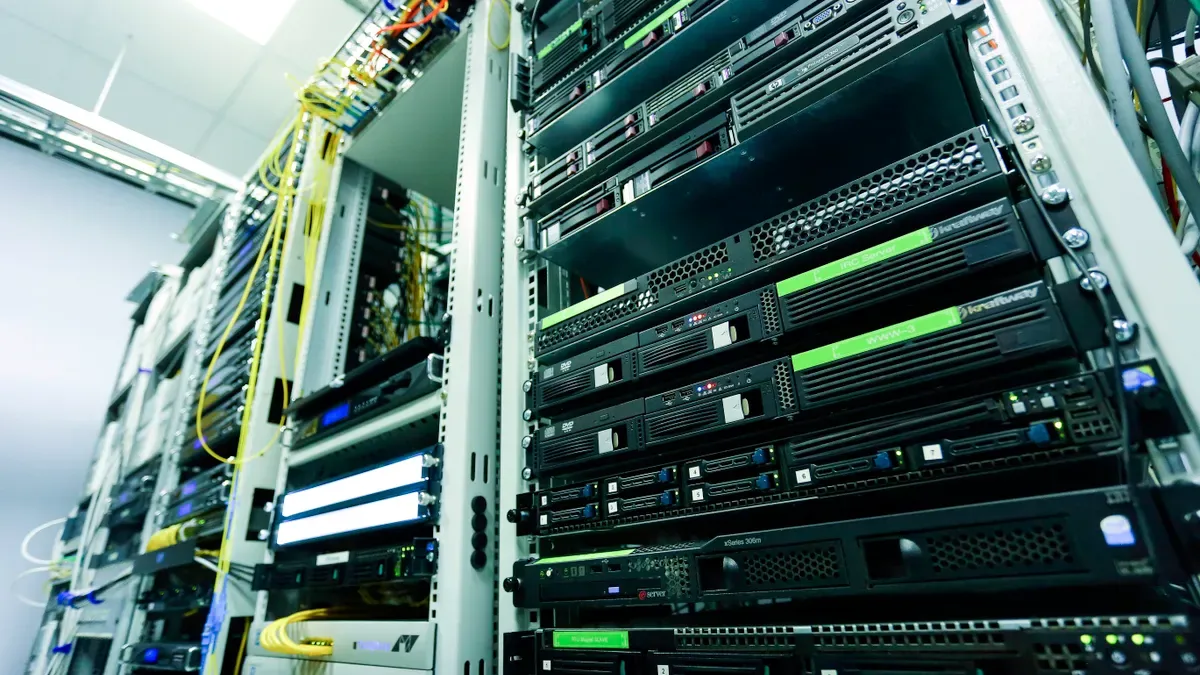
Singapore’s data center landscape has witnessed remarkable growth in recent years. The demand for robust digital infrastructure has led to the approval of numerous new facilities. Here are some key points regarding this growth:
In the past five years, 14 data centers have been approved for construction in Singapore.
This marks an increase from 12 data centers approved in the previous five years.
Currently, there is a temporary pause on the construction of new data centers.
Several factors drive this expansion:
A strong subsea cable network enhances connectivity.
Low risks of natural disasters make Singapore a safe location for data centers.
A reliable power grid supports uninterrupted operations.
Increasing demand for cloud connectivity and digital infrastructure is driven by enterprises undergoing digital transformation.
The Asia-Pacific region is projected to see over 8% growth in the data center colocation market from 2018 to 2024.
Sustainability and energy efficiency innovations are becoming significant considerations for data center growth.
Year | Market Size (in billion USD) | CAGR (%) |
|---|---|---|
2024 | 0.52 | N/A |
2030 | 5.09 | 46.26 |
Role of AI in Data Processing
AI technology plays a crucial role in enhancing data processing capabilities within these centers. By optimizing various aspects of operations, AI leads to significant improvements in efficiency. Here are some ways AI is currently being leveraged:
AI optimizes data center operations by reducing energy consumption.
It enhances cooling systems, which is vital for maintaining optimal performance.
Overall efficiency of resource utilization is improved, allowing for better management of workloads.
The integration of AI results in measurable improvements, such as:
Improvement Type | Measurable Impact |
|---|---|
Cooling Energy Reduction | Up to 50% reduction in cooling energy needs |
Downtime Reduction | Enhanced 24/7 uptime through anomaly monitoring |
Energy Optimization | Real-time adjustments to energy use and cooling based on workload forecasts |
As you can see, the growth of data centers and the role of AI in data processing are closely intertwined, creating a dynamic environment for innovation and efficiency.
Complexity of AI Server PCB
BOM Challenges
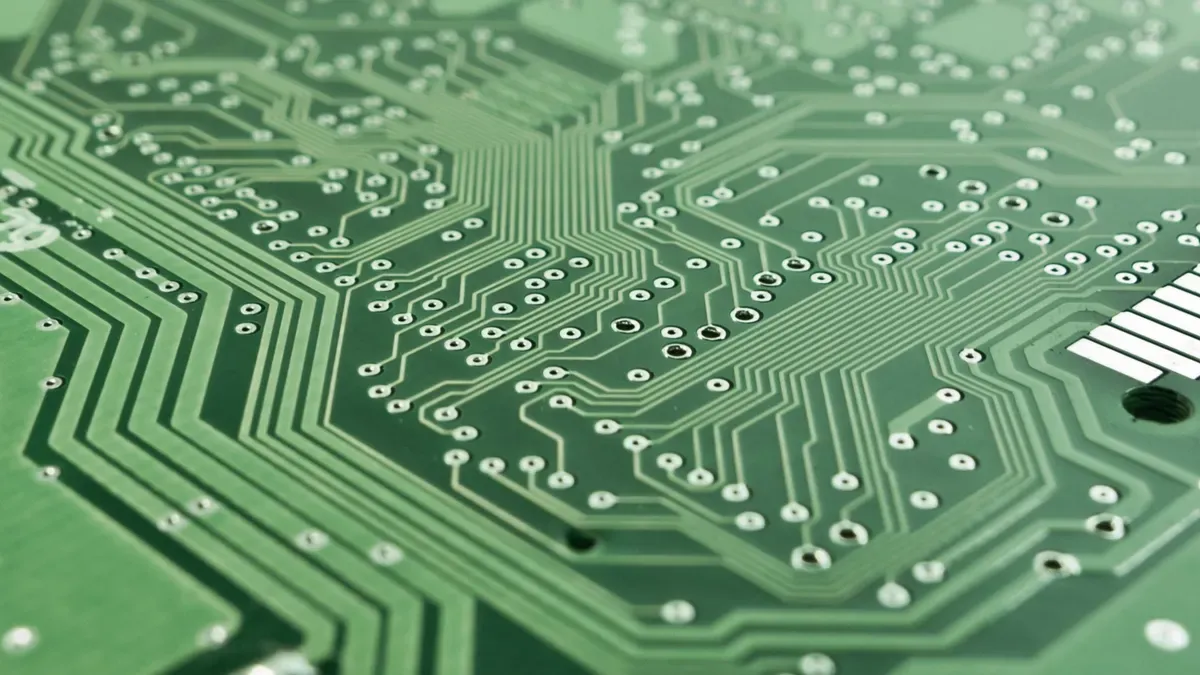
Managing the Bill of Materials (BOM) for AI server PCBs presents significant challenges. You may encounter outdated information that leads to the procurement of inadequate parts. This situation can result in mistakes during purchasing or the necessity to use substitute components. Such issues can significantly increase both the costs and timelines associated with AI server PCB projects. To mitigate these challenges, you should prioritize accurate and up-to-date BOM management. This approach ensures that you procure the right components on time, ultimately enhancing project efficiency.
Advanced Materials
The performance of AI server PCBs relies heavily on the materials used in their construction. Advanced dielectric materials play a crucial role in achieving high-performance applications. For instance, Fluoropolymer Resins like PTFE offer extremely low loss, making them suitable for high-frequency applications above 10GHz. Modified Epoxy and PPO/PPE Resins strike a balance between performance and cost for frequencies between 1GHz and 10GHz. Emerging materials, such as Hydrocarbon Resins, provide low loss and good mechanical properties, making them strong contenders in the market.
Next-generation materials, including the MEGTRON series and Liquid Crystal Polymer (LCP), are being developed to support data transfer rates up to 224Gbps. These advancements in materials technology enable you to design AI server PCBs that meet the increasing demands for speed and efficiency in data processing.
High-density interconnects (HDI) further enhance the functionality and reliability of AI server PCBs. Here are some key benefits of using HDI technology:
Feature | Benefit |
|---|---|
Higher Wiring Density | Enables compact product development without increasing board size. |
Improved Electrical Performance | Shorter signal paths reduce transmission delays and crosstalk. |
Better Reliability | Microvias and optimized routing reduce mechanical stress. |
AI servers often require high-layer count PCBs, typically ranging from 20 to 30 layers. HDI processes ensure signal integrity with ultra-low-loss materials, which are essential for high-speed data transmission. By leveraging these advanced materials and technologies, you can significantly enhance the performance of your AI server PCBs, ensuring they meet the rigorous demands of modern data centers.
Turnkey AI Server PCBA Benefits
Supply Chain Efficiency
Turnkey AI server PCBA solutions significantly enhance supply chain efficiency for your data center projects. By consolidating multiple processes under one roof, these solutions eliminate the complications associated with multi-vendor integration. This streamlining leads to fewer delays and complications in the supply chain. Here are some key benefits:
Rapid Yield Ramp-Up: Turnkey solutions allow for quicker production times, which improves overall efficiency.
Single Point of Accountability: You benefit from a simplified production process, reducing the risk of errors and enhancing supply chain management.
The following table illustrates how turnkey solutions compare to traditional PCBA approaches in terms of supply chain communication:
Benefit | Turnkey Solutions | Traditional PCBA Approaches |
|---|---|---|
Number of Vendors | Single vendor | Multiple vendors |
Accountability | Single point of accountability | Fragmented accountability |
Communication Steps | Reduced by 70%+ | Increased due to multiple suppliers |
Troubleshooting | Coordinated under one framework | Independent vendor analysis |
Production Recovery | Faster resolution | Extended troubleshooting cycles |
By reducing the number of communication steps, you can focus on what matters most—delivering high-performance computing solutions that meet the demands of AI applications.
Time to Market
In the fast-paced world of AI technology, time to market is crucial. Turnkey AI server PCBA services help you accelerate your project timelines. With a comprehensive approach that includes BOM kitting, PCB manufacturing, SMT, testing, and shipping, you can bring your AI server projects to fruition more quickly.
The integration of all these services under one umbrella means you can avoid the delays often associated with coordinating multiple vendors. This streamlined process allows for faster prototyping and production, enabling you to respond swiftly to market demands.
Moreover, the efficiency gained from using turnkey solutions can lead to a significant reduction in time to market. You can expect to see improvements in your project timelines, allowing you to capitalize on emerging opportunities in the AI server market.
From Prototype to Production
Pilot Runs
Pilot runs serve as a critical step in transitioning from prototype to mass production for AI server PCBA projects. During these initial builds, you can simulate actual production conditions. This approach helps maintain consistent assembly parameters and inspection processes. By doing so, you minimize the chances of redesigns and unexpected yield losses when moving to full-scale production.
The typical steps involved in this transition include:
Design for Manufacturability and Testability (DFM and DFT): Collaborate with suppliers to optimize PCB designs for easier manufacturing and testing.
Solder Paste Printing: Apply solder paste using methods like stencil or jet printing for component mounting.
Placement of Components: Use automated pick-and-place machines for accurate and rapid component placement.
Robotics and Automation: Implement automation technologies to enhance speed and accuracy in the assembly process.
These steps ensure that your pilot runs effectively identify and resolve potential issues before full-scale production begins.
Testing and Validation
Testing and validation are essential components of the production process for AI server PCBA projects. They ensure that your products meet industry standards and function as intended. A robust testing strategy includes several key responsibilities:
Key Responsibilities | Description |
|---|---|
Test Strategy, Architecture & AI Driven Innovation | Define global test and PCBA engineering architecture, driving AI-based testing innovations such as predictive fault detection and automated limit learning. |
PCBA Process Engineering Leadership | Lead excellence in PCBA processes, define global standards, and standardize equipment selection and process qualification criteria. |
Collaboration with Electronics R&D & Quality | Partner with R&D to embed design for testability and work closely with Quality to optimize defect visibility and root-cause elimination. |
NPI, Ramp, and Sustaining | Lead test and process readiness for engineering and factory builds, approve test plans, and govern process qualification. |
Global Execution & Operational Excellence | Deliver results across yield, quality performance, and implement Lean/Six Sigma for continuous improvement. |
By adhering to these testing protocols, you can ensure that your AI server PCBA projects achieve high reliability and performance standards, ultimately leading to successful deployment in Singapore’s data centers.
Turnkey AI server PCBA services offer significant advantages for Singapore’s data centers. These services streamline the entire process, from design to manufacturing, ensuring high-quality production. You benefit from enhanced speed, reliability, and scalability, which are essential for uninterrupted operations.
Key benefits include:
Comprehensive integration of advanced technologies.
Robust infrastructure that supports maximum uptime.
As data centers evolve, embracing these turnkey solutions will help you future-proof your projects against technological advancements.
Trend | Description |
|---|---|
High-end technology | The shift towards high-end PCBs aims to increase production from 35% to 55% by 2027. |
Vertical integration | Development of a 3-hour supply chain enhances logistics and production efficiency. |
Embrace these innovations to stay ahead in the rapidly changing landscape of AI technology.
FAQ
What are turnkey AI server PCBA services?
Turnkey AI server PCBA services provide a comprehensive solution for designing, manufacturing, and assembling server PCBs. These services streamline the entire process, allowing you to focus on deploying AI servers efficiently in your data center projects.
How do AI servers enhance data processing?
AI servers utilize advanced algorithms and high-performance hardware to process large volumes of data quickly. They optimize workloads, improve resource management, and enhance overall efficiency, making them essential for modern data centers.
What is the significance of BOM management in AI server projects?
Effective BOM management ensures you procure the right components for your AI server PCBs. It minimizes delays and reduces costs associated with errors in purchasing, ultimately enhancing the efficiency of your data center projects.
How do turnkey solutions impact time to market?
Turnkey solutions significantly reduce time to market by integrating all necessary services under one roof. This approach eliminates delays from coordinating multiple vendors, allowing you to launch your AI server projects faster.
Why should I choose a professional service for my data center projects?
Choosing a professional service ensures high-quality production and adherence to industry standards. It provides you with expertise in managing complex projects, ultimately leading to better performance and reliability of your AI servers.
See Also
Comprehensive AI PCBA Solutions for Singapore’s IoT and MedTech
Complete AI Gateway PCBA Solutions for Singapore’s IoT and MedTech
AI Power Board PCBA Solutions for Australia’s Data and Energy