
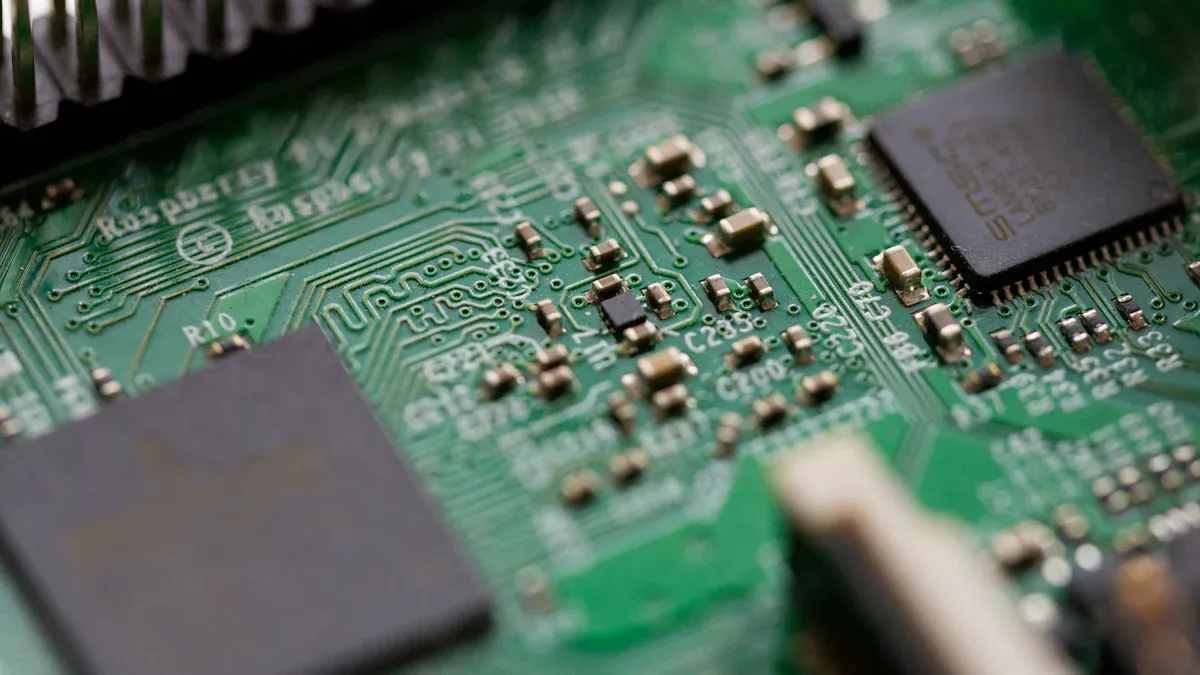
In today’s digital landscape, the role of Edge AI Server PCBA is crucial for enhancing data center capabilities in Malaysia. You need efficient data processing to support the growing demands of IoT projects. By utilizing Edge AI Server PCBA, you can improve data handling and processing speed, which is essential for real-time analytics. This technology empowers your data centers to operate more effectively and meet the challenges posed by the increasing volume of data generated by IoT devices.
Key Takeaways
Edge AI Server PCBA enhances data processing speed, crucial for real-time analytics in IoT projects.
Using Edge AI reduces energy consumption and operational costs by processing data locally, minimizing data transmission.
Key design considerations for data centers include power capacity, thermal management, and sustainability.
High-end PCBs for AI applications must support high-speed signal transmission and withstand extreme thermal stress.
Staying updated on trends in Edge AI technology will help you remain competitive in the evolving data landscape.
PCBA in Data Centers
Importance of Edge AI Server PCBA
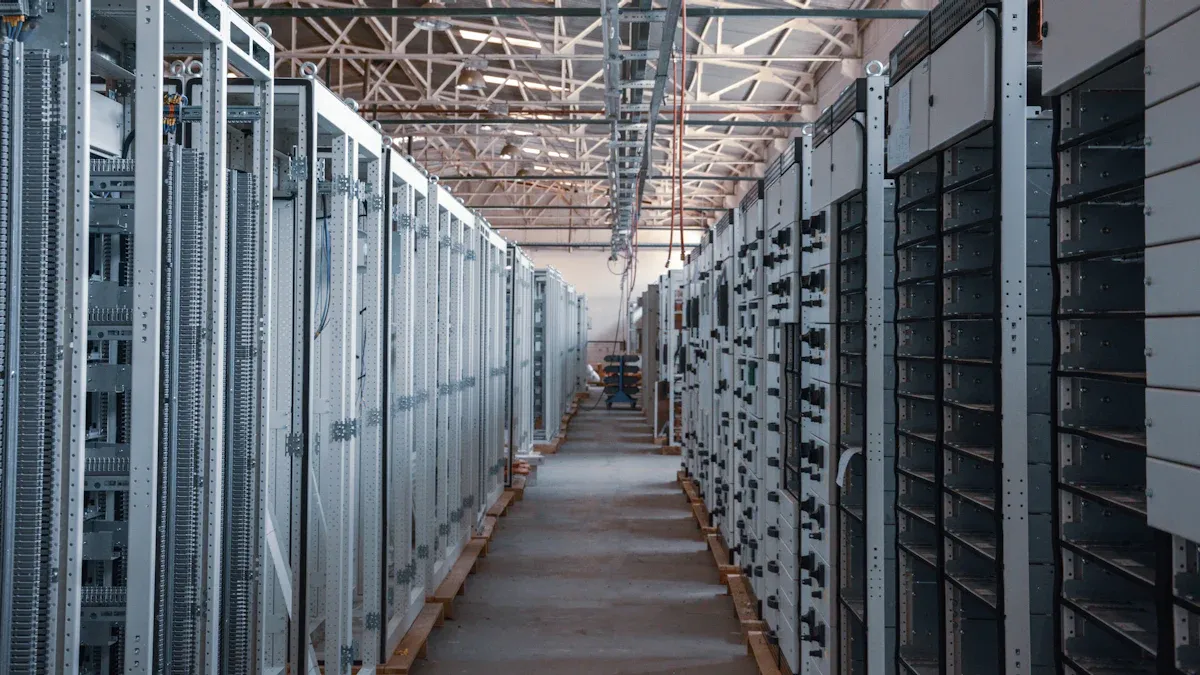
Edge AI Server PCBA plays a pivotal role in modern data center infrastructure. It enhances the efficiency of data processing and supports the growing demands of AI systems. By integrating advanced processing capabilities directly at the edge, you can reduce latency and improve response times for IoT applications. This localized approach minimizes the need for extensive data transmission to centralized servers, which can be costly and time-consuming.
Moreover, Edge AI processing significantly lowers energy consumption compared to traditional centralized AI processing. The International Energy Agency predicts that electricity demand from global data centers will more than double by 2030, primarily due to the increasing workloads from AI. In contrast, Edge AI solutions allow for localized data handling, which can lead to substantial operational cost savings. This shift is particularly relevant in Malaysia, where sustainability-focused planning frameworks are being implemented to address the increasing strain on energy resources.
Design Considerations for Data Center Infrastructure
When integrating Edge AI Server PCBA into your data center infrastructure, several key design considerations come into play. These factors ensure that your setup can handle the demands of high-density deployments while maintaining efficiency and reliability. Below is a table summarizing these considerations:
Category | Priority Level | Key Considerations |
|---|---|---|
Power & Density | Critical | Current capacity and future scalability for high-density deployments. |
Thermal Management | Critical | Implementation of advanced cooling systems and design for high thermal tolerance. |
Latency & Interconnectivity | High | Proximity to low-latency networks and interconnect options. |
Sustainability | High | Energy efficiency and integration of renewable energy sources. |
Security | Critical | Robust physical and cyber security measures. |
Incorporating advanced materials in PCB manufacturing is essential for achieving these design goals. High-quality materials enhance the durability and performance of PCBs, making them suitable for the demanding environments of data centers. You should prioritize materials that offer superior thermal conductivity and electrical performance to support the high-speed processing required by AI applications.
As you plan your data center infrastructure, consider the implications of these design elements. They not only affect the immediate performance of your systems but also influence long-term scalability and sustainability. By focusing on these critical areas, you can ensure that your data center remains competitive in the rapidly evolving landscape of AI and IoT technologies.
IoT Applications and PCB Requirements
Hardware Differences in AI Gateways and Inference Servers
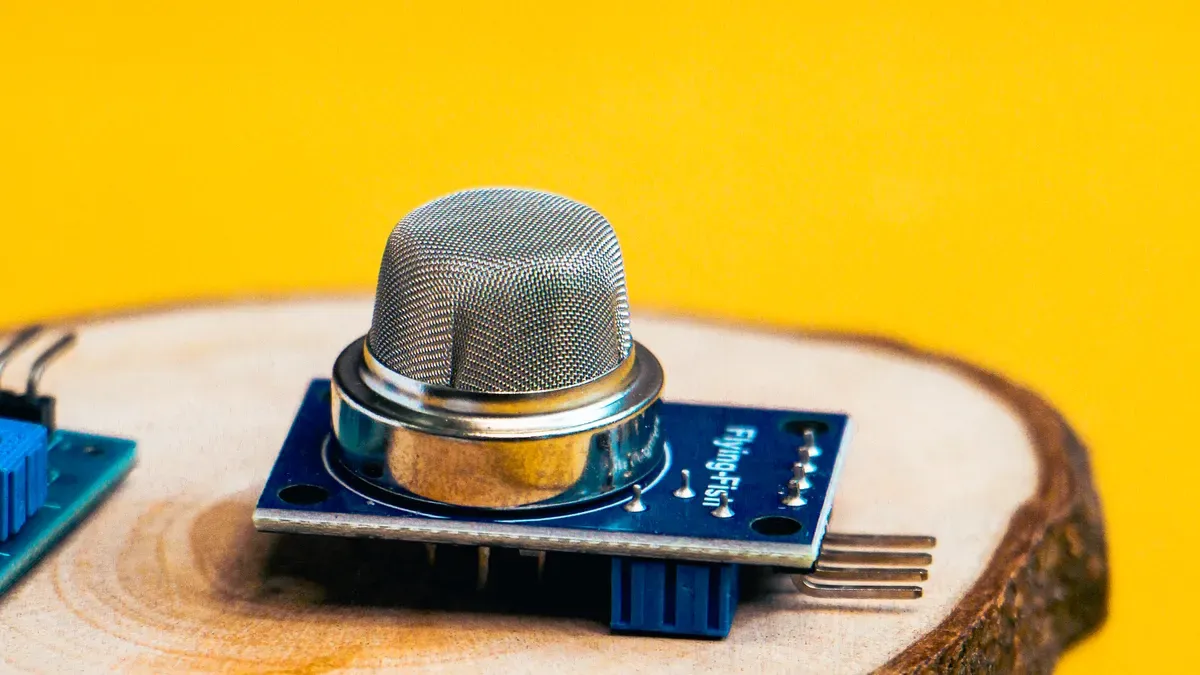
When you consider IoT applications, understanding the hardware differences between AI gateways and inference servers is crucial. AI gateways serve as the initial point of data collection and processing. They often require lower power consumption and compact designs to fit into various environments. In contrast, inference servers handle more complex computations and require robust processing capabilities. These servers typically feature higher performance CPUs and GPUs, enabling them to manage extensive data workloads efficiently.
The following table summarizes the key hardware differences:
Feature | AI Gateways | Inference Servers |
|---|---|---|
Processing Power | Moderate | High |
Power Consumption | Low | Moderate to High |
Size | Compact | Larger |
Cooling Requirements | Minimal | Advanced cooling solutions needed |
Connectivity | Multiple IoT protocols | High-speed data connections |
Challenges in IoT PCB Design
Designing PCBs for IoT applications presents several challenges that you must address to ensure optimal performance. The unique environmental factors in Malaysia, such as humidity and temperature fluctuations, can impact the reliability of printed circuit boards. Therefore, you should prioritize materials that withstand these conditions.
Here are some common challenges and effective solutions:
Challenge | Description | Solution |
|---|---|---|
Cost | Higher upfront costs due to specialized substrates and manufacturing techniques. | Conduct careful design considerations and cost analysis for production runs. |
Assembly Complexity | Requires extra care during handling and installation due to flexibility. | Collaborate with experienced assembly partners and apply specialized design rules. |
Thermal Management | Heat buildup in compact enclosures can degrade performance. | Optimize component placement, use thermal vias, and integrate heat-dissipating materials. |
Additionally, you must consider regulatory frameworks that influence PCB design. For instance, the OWASP IoT Top 10 highlights critical security concerns, such as insecure update mechanisms and lack of physical hardening. These factors necessitate robust security measures in your designs. The following table outlines relevant standards and their implications for PCB design:
Framework | Reference | How This Applies |
|---|---|---|
OWASP IoT Top 10 | I4 — Insecure Update Mechanism | Firmware extractable without authentication verification |
OWASP IoT Top 10 | I8 — Lack of Physical Hardening | Flash chip accessible, no tamper protection |
Malaysia PDPA | Security Principle (s.9) | Reasonable steps required to protect PII from unauthorized access |
NACSA Cybersecurity Act 2024 | Physical Security Controls | IoT in critical environments must have physical access controls |
BNM RMiT | Technology Risk Management | All connected devices in financial institutions require security assessment before deployment |
Environmental sustainability is also a key focus in PCB manufacturing in Malaysia. Manufacturers are adopting green practices, such as waste reduction and recycling, while prioritizing eco-friendly materials to minimize the carbon footprint of PCB production. By addressing these challenges and focusing on sustainability, you can enhance the efficiency and reliability of your IoT devices.
Advancements in PCB Manufacturing
High-End PCB for AI Applications
Innovations in PCB design and manufacturing significantly enhance the performance of Edge AI Server PCBA. High-end PCBs for AI applications must support high-speed signal transmission, requiring tight impedance control and minimal signal loss. You should expect these boards to handle signal speeds of 112 Gbps per lane and above. Additionally, they must endure extreme thermal stress, utilizing advanced laminates and controlled impedance to maintain signal integrity at high frequencies.
Key specifications for high-end PCBs include:
High Density Interconnect (HDI) technology for compact routing.
Advanced thermal management features to ensure safe operating temperatures for GPUs and CPUs.
Optimized power distribution networks that enhance stability and reduce energy consumption.
Supporting the Data Center Boom
As Malaysia’s data centers expand, advanced PCB manufacturing plays a crucial role in supporting this growth. Optimized board designs minimize resistance and energy loss, translating to significant cost savings. PCB manufacturers are adopting sustainable practices, aligning with the carbon neutrality goals of modern data centers. Collaboration between PCB manufacturers and AI hardware developers during the design phase improves performance and reduces time-to-market.
However, transitioning from PCB prototyping to mass production presents challenges. Issues like signal integrity, thermal dissipation, and manufacturing yield stability can arise. Addressing these challenges requires precision engineering and compliance with strict international standards.
Challenge | Description |
|---|---|
Signal Integrity | Trace crosstalk and voltage drops can affect performance. |
Thermal Dissipation | Localized hot spots can impact reliability and compliance. |
Manufacturing Yield Stability | Variations in yield can occur due to panel warpage and impedance variance. |
By focusing on these advancements, you can ensure that your data center infrastructure remains competitive and efficient in the rapidly evolving landscape of AI technology.
The Edge AI Server PCBA holds transformative potential for Malaysia’s data center landscape. By enabling efficient data processing and real-time analytics, it enhances your IoT projects significantly. Here are some key impacts:
Improved connectivity supports the growing complexity of IoT devices.
AI-driven automation in PCBA processes streamlines production and reduces defects.
As you look ahead, consider the anticipated trends in Edge AI Server PCBA technology:
Evidence Description | Key Points |
|---|---|
Demand for chips | The growth in AI systems drives demand for advanced data center infrastructure. |
Data center growth | Malaysia is set for significant data center growth by 2025, fueled by investments in AI. |
Power supply | TNB is enhancing power generation, including renewables, to meet new data center demands. |
Embracing these advancements will position you at the forefront of the evolving data landscape in Malaysia.
FAQ
What is Edge AI Server PCBA?
Edge AI Server PCBA refers to printed circuit board assemblies designed for edge computing applications. These boards enhance data processing capabilities at the edge of networks, reducing latency and improving efficiency for IoT projects.
How does Edge AI Server PCBA benefit data centers?
You can expect Edge AI Server PCBA to lower energy consumption and operational costs. By processing data locally, these boards minimize the need for extensive data transmission, which can be costly and time-consuming.
What are the key design considerations for IoT PCBs?
When designing IoT PCBs, focus on durability, thermal management, and compactness. You must also consider environmental factors like humidity and temperature fluctuations, which can affect performance.
How do I ensure my PCB design meets regulatory standards?
To meet regulatory standards, familiarize yourself with frameworks like the OWASP IoT Top 10 and Malaysia’s PDPA. Implement robust security measures and conduct thorough testing to ensure compliance.
What trends should I watch in Edge AI Server PCBA technology?
Keep an eye on the increasing demand for advanced data center infrastructure driven by AI systems. Innovations in PCB manufacturing and sustainable practices will also shape the future of Edge AI Server PCBA.
See Also
PCBA Solutions for AI Servers in Malaysia’s Tech Sector
Comprehensive PCBA Services for AI Servers in Singapore
PCBA for AI Servers Supporting UAE’s Smart City Initiatives
Power Board PCBA for AI Servers in Australia’s Energy Sector