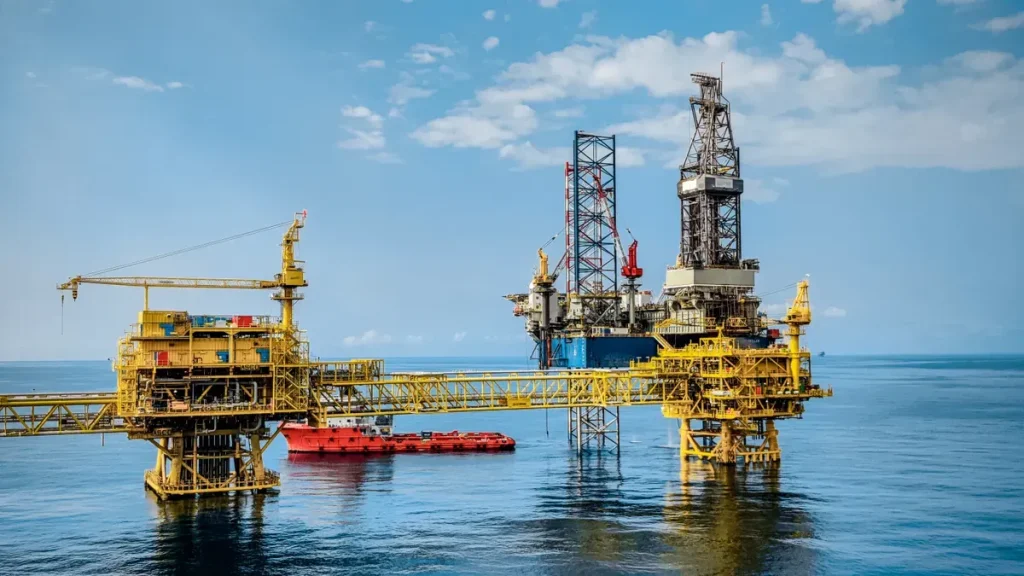
In the tough world of marine electronics, rugged AI PCBA is very important. It helps make sure devices work well and are reliable. Harsh conditions like saltwater and extreme temperatures can harm regular electronics. By using AI hardware PCBA, you make devices stronger and better. This lets them handle these tough environments. This technology not only makes marine navigation systems tougher but also improves energy monitoring solutions. Using rugged AI PCBA is key for keeping operations safe in Norway’s marine and energy fields.
Key Takeaways
Rugged AI PCBA makes marine electronics more reliable. It helps them survive tough conditions like saltwater and extreme temperatures.
Strong marine devices lower maintenance costs and boost safety. They are very important for navigation and energy monitoring.
AI technology improves PCB design and assembly. This allows for quicker prototyping and finding problems during manufacturing.
New technologies like predictive maintenance and better thermal management will change the future of rugged AI PCBA. They will make devices work better.
Investing in rugged AI PCBA helps businesses meet the rising needs in the marine electronics market. This supports efficiency and sustainability.
Ruggedness in Marine Electronics
Challenges in Marine Environments
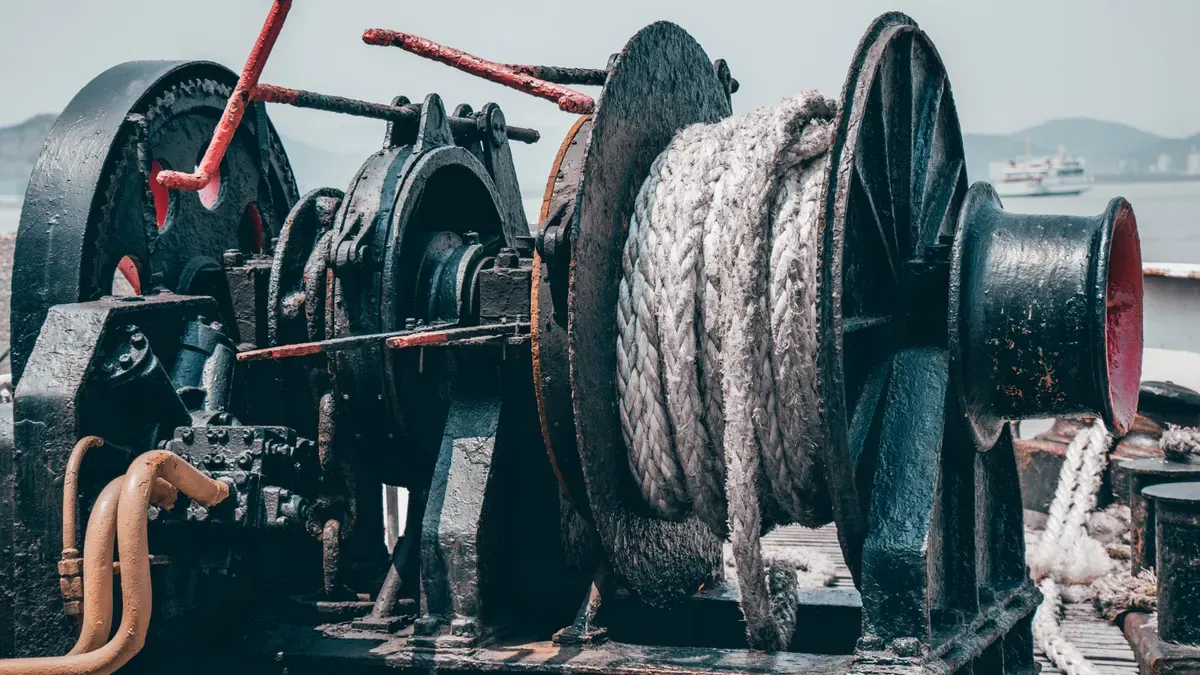
Marine electronics face many problems in tough places. You need to think about saltwater, extreme heat, and high humidity. These things can cause equipment to fail and lead to expensive downtime. Here are some common problems you might see:
Big energy storage is needed for long fishing trips.
Switching from fossil fuels to cleaner fuels is important.
Port limits make it hard to charge and electrify.
These problems need strong solutions that can handle marine life.
Benefits of Durability
Buying strong marine electronics has many benefits. First, tough designs make them reliable. You can count on your devices to work well, even in hard conditions. Second, being durable cuts down on maintenance costs. When equipment lasts longer, you save money on fixing and replacing it.
Also, strong electronics make things safer. In important tasks like navigation and energy monitoring, reliable devices can stop accidents and keep things running smoothly. With AI technology, you can make these devices even better. AI can improve designs and check systems in real-time, giving you helpful insights and alerts.
AI in PCB Assembly
Enhancing Design with AI
AI technology is very important for making better designs and assembling printed circuit boards (PCBs). When you use AI in PCB design, you can create layouts that use space well and waste less material. AI design tools look at different design factors and suggest ways to improve them. This helps create powerful computing abilities, which are needed for marine and energy monitoring devices.
Also, using AI in electronics manufacturing lets you make prototypes quickly. You can test designs fast and change them before starting production. This ability is important in the busy marine industry, where you must keep up with new needs and technologies.
Real-Time Optimization
Real-time optimization is another big benefit of AI in PCB assembly. With AI manufacturing solutions, you can watch the assembly process all the time. This helps find problems early, which lowers the chance of expensive mistakes. For example, real-time solder checks make sure every connection is safe and strong.
AI uses data from different production stages to improve quality control. By looking at this data, AI can spot trends and predict possible failures. This smart approach reduces downtime and makes sure your devices work well in tough marine conditions.
Applications in Marine and Energy Monitoring
Use Cases in Marine Navigation
In Norway, marine navigation systems depend on rugged AI PCBA for safety and efficiency. For example, fishing boats use advanced navigation tools with AI to look at real-time data. This data includes weather, sea currents, and fish locations. By using AI hardware PCBA, these systems can quickly process a lot of information. This helps you make smart choices while at sea.
One great example is AI autopilot systems. These systems help boats stay on course, even in rough waters. They automatically adjust to changes, which lowers the chance of accidents. Also, many Norwegian shipping companies have noticed they use less fuel because of better routes from AI algorithms. This saves money and helps the environment.
Energy Monitoring Solutions
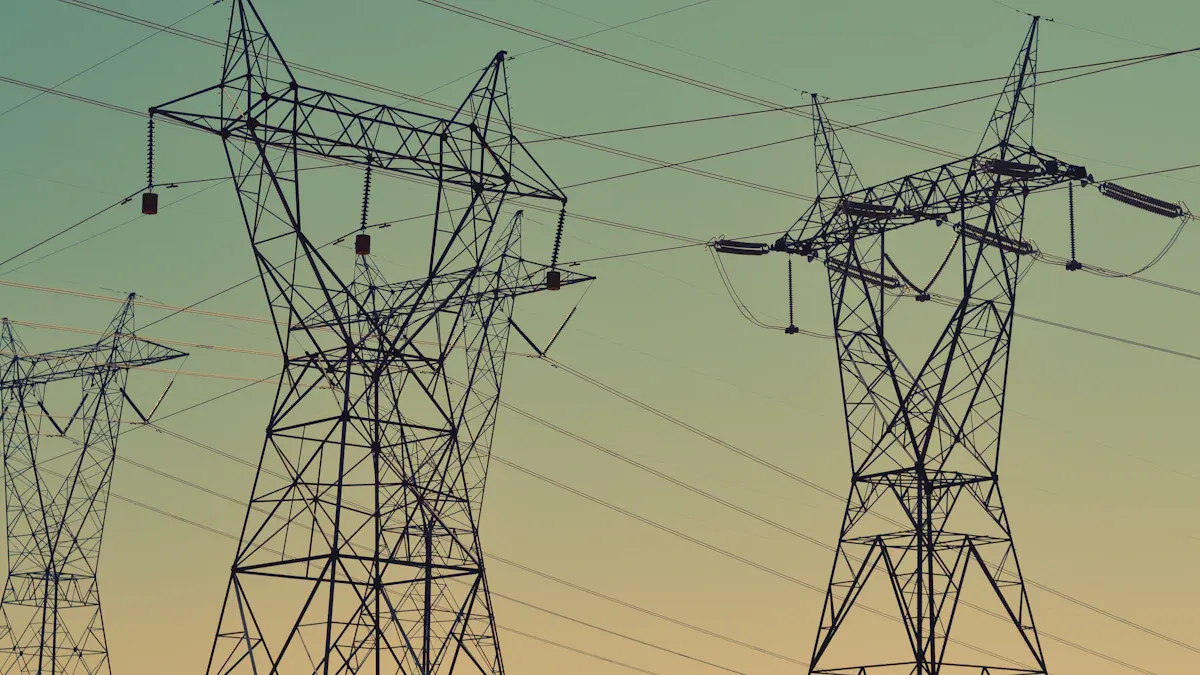
Energy monitoring solutions in Norway have also gained a lot from rugged AI PCBA. These solutions include energy control boards and remote sensors that check energy use in real-time. For instance, offshore oil rigs use AI to monitor energy use across different systems. This helps operators find problems and fix them quickly.
Remote sensors are very important in this process. They gather data on energy use and send it back to a central system for checking. With AI, you can guess energy needs based on past data and current use. This ability helps in improving energy distribution, cutting waste, and making sure operations run well.
Also, using AI in energy monitoring has improved safety measures. By constantly checking data, AI can find problems that might lead to failures. This smart approach lets you fix issues before they get worse, keeping energy systems reliable in tough marine conditions.
Challenges in Rugged PCB Assembly
Environmental Challenges
When you make rugged PCBs for marine and energy devices, you face many environmental challenges. High humidity, saltwater, and extreme temperatures can hurt your assemblies. These tough conditions can cause corrosion, component failure, and shorten the life of the devices. To solve these problems, you need to think about protective coatings and materials that make them stronger.
For example, using conformal coatings can protect your assemblies from moisture and dirt. Also, choosing parts that work well in high temperatures helps your devices perform reliably under pressure.
Manufacturing Innovations
New ideas in manufacturing have made PCB assemblies much tougher. One important improvement is using Glass Fibre Reinforced Polymer (GRP). This material is strong and light, and it resists corrosion well, making it great for marine and energy uses.
Also, advanced manufacturing methods like vacuum infusion make your PCB assemblies stronger and better. These techniques help spread materials evenly and reduce empty spaces, which leads to stronger and more dependable products.
By using these new ideas, you can make sure your rugged PCBs meet industry standards and certifications. This focus on quality not only makes your devices more reliable but also builds trust with your customers in the tough marine and energy fields.
Future Trends in AI Hardware PCBA
Emerging Technologies
The future of AI hardware PCBA looks bright because of new technologies. One big trend is using better thermal management systems. These systems keep devices at the right temperature in tough marine conditions. Good cooling solutions help electronics work well, even in extreme weather.
Another cool development is predictive maintenance tools. These tools use AI to look at data from devices. They can tell when maintenance is needed. This smart way of working cuts down on downtime and makes devices more reliable. By using these technologies, you can keep your marine and energy monitoring devices running well.
Industry Growth Predictions
The marine electronics industry is set to grow a lot in the next few years. Experts think the need for rugged AI PCBA will rise as more companies want reliable solutions for tough environments. Recent reports say the marine electronics market will grow by over 10% each year. This growth comes from the need for better navigation systems and energy monitoring solutions.
Norwegian companies are leading this trend. They are putting money into new technologies to boost efficiency and lower environmental impact. As the industry changes, expect to see more advanced AI uses in marine navigation and energy management. These improvements will not only make things work better but also help with sustainability in the area.
By keeping up with these trends, you can prepare your business for future chances. Using new technologies will help you stay competitive in the fast-changing world of marine electronics.
Rugged AI PCBA makes marine electronics more reliable and better. You get stronger devices that need less fixing and are safer in tough places. As technology grows, look for new ideas that will improve energy monitoring tools. Adding AI will create smarter systems that use energy better and work more efficiently. By choosing rugged AI PCBA, you stay ahead in marine and energy solutions. This keeps your devices dependable and useful in the future.
FAQ
What is rugged AI PCBA?
Rugged AI PCBA means printed circuit board assemblies made to handle tough marine conditions. These assemblies help devices work better and be more reliable for navigation and energy monitoring.
How does AI improve PCB assembly?
AI makes the PCB assembly process better by improving designs and finding problems right away. This results in higher quality products and lowers the chances of failures in hard conditions.
What are the benefits of using rugged PCBA in marine devices?
Using rugged PCBA in marine devices makes them last longer, cuts down on maintenance costs, and improves safety. These benefits help ensure reliable operation in extreme conditions, making them perfect for Norwegian marine uses.
How do environmental factors affect PCB assembly?
Environmental factors like humidity, saltwater, and extreme temperatures can harm PCBs. Manufacturers need to think about these factors during assembly to make sure they last and work well in marine settings.
What innovations are shaping the future of rugged PCBA?
Innovations like new materials, better thermal management systems, and predictive maintenance tools are changing the future of rugged PCBA. These improvements boost performance and reliability in marine and energy monitoring devices.
See Also
Swedish Industrial IoT Solutions Using AI Sensor PCBA
Canadian Vision Devices Enhanced by Edge AI PCB Assembly
Danish Smart Healthcare Solutions with AI PCBA Technology
Israeli Vision and Security Devices Featuring AI Hardware PCBA