
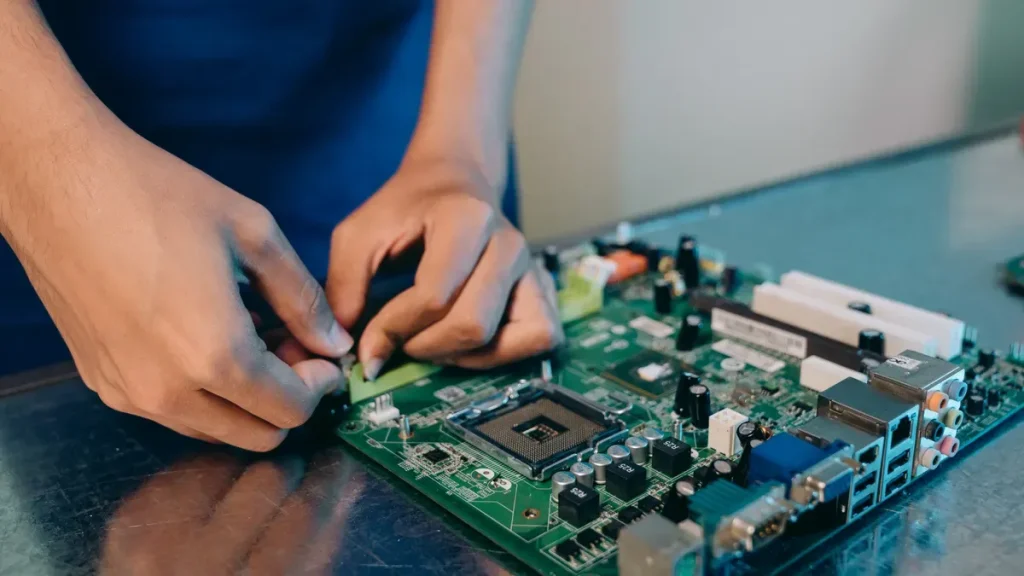
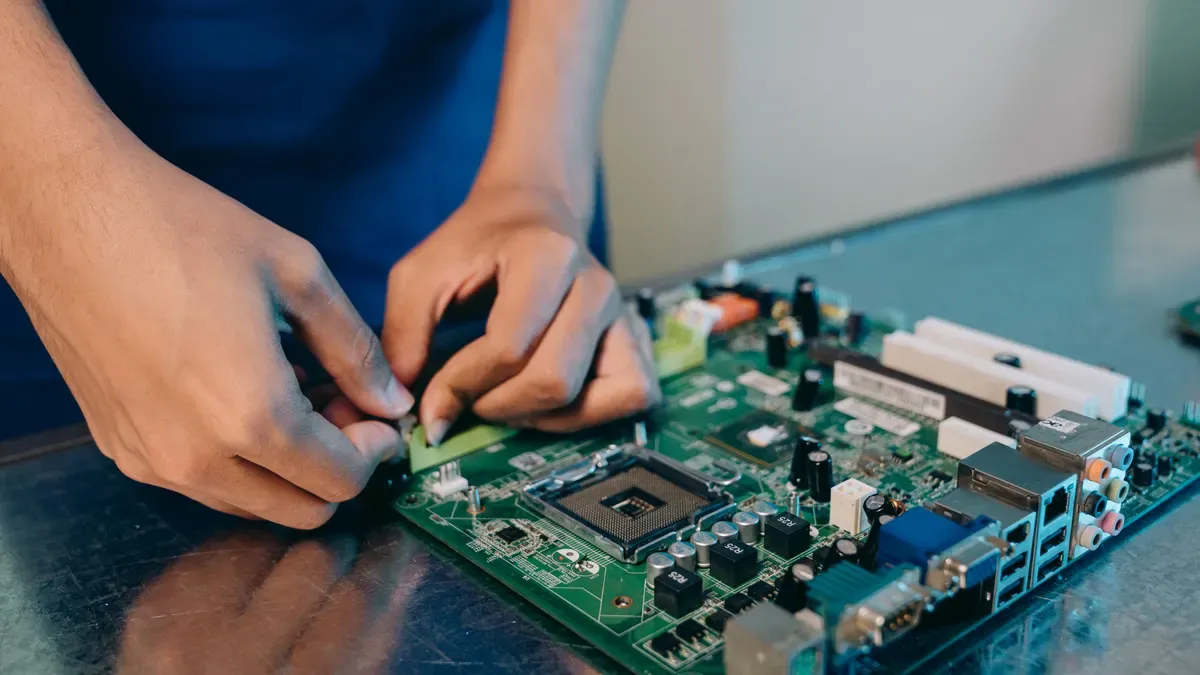
Integrating OpenAI API hardware into custom PCB designs significantly boosts the functionality of your AI and IoT devices. This integration allows your products to leverage advanced AI capabilities, making them smarter and more efficient. Understanding the essential components and assembly processes involved in custom PCB design is crucial. By grasping these elements, you can create devices that not only perform well but also meet the demands of modern technology.
Key Takeaways
Integrating OpenAI API hardware into custom PCBs enhances the functionality of AI and IoT devices, making them smarter and more efficient.
Key components like microcontrollers, sensors, and communication modules are essential for building effective AIoT products. Choose wisely to optimize performance.
Effective PCB design requires careful consideration of component placement, thermal management, and signal integrity to ensure reliability and performance.
Prototyping and testing are crucial steps. They help identify issues early and refine designs before moving to production, ensuring a smoother transition to market.
Following best practices in PCB assembly, such as using decoupling capacitors and adhering to industry standards, enhances the reliability and quality of your products.
OpenAI API Hardware Components
Essential Hardware Elements
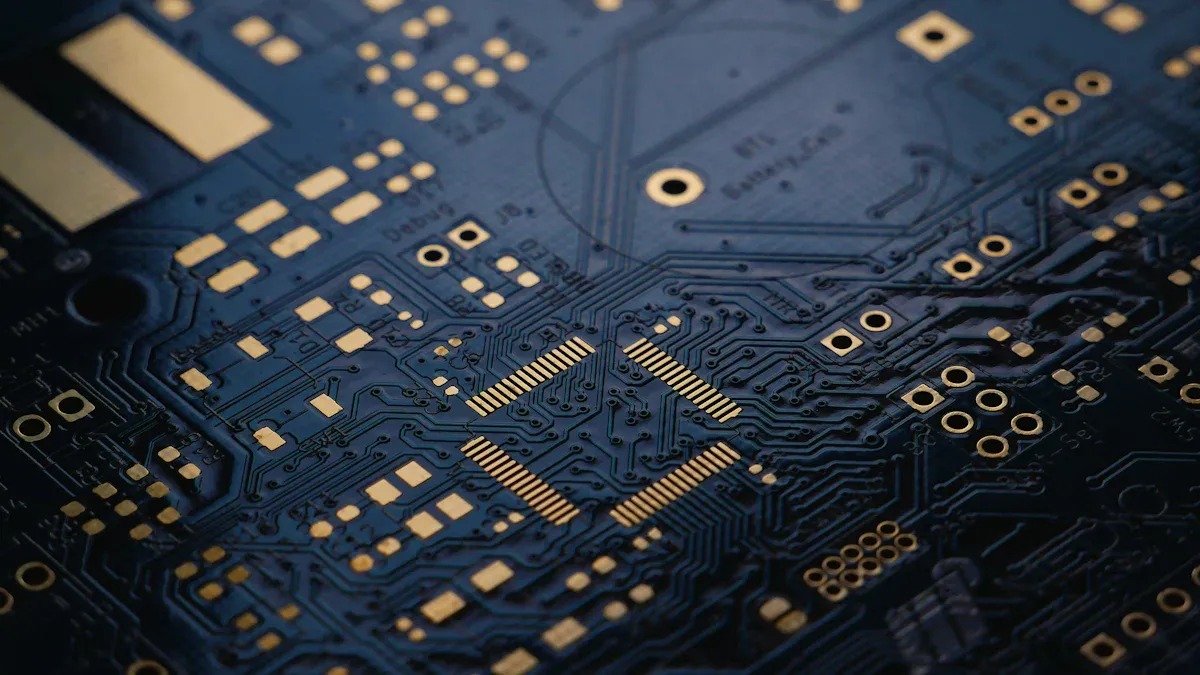
When designing devices that utilize the OpenAI API hardware, you must consider several essential components. These elements form the backbone of your AIoT products, enabling them to process data and interact with users effectively. Key hardware elements include:
Microcontrollers: These act as the brain of your device. They execute commands, process inputs, and control outputs. Choosing a microcontroller with sufficient processing power is crucial for handling complex AI tasks.
Sensors: Sensors gather data from the environment. For instance, temperature sensors can monitor climate conditions, while motion sensors detect movement. Integrating these sensors allows your device to respond intelligently to real-world changes.
Power Supply: A reliable power source is vital. Whether you opt for batteries or a direct power connection, ensure that your design accommodates the energy needs of all components.
Memory: Sufficient memory is necessary for storing data and running applications. Consider using both volatile (RAM) and non-volatile (flash) memory to optimize performance.
By carefully selecting these hardware elements, you can create a robust foundation for your OpenAI API hardware products.
Communication Modules
Communication modules play a pivotal role in AIoT devices. They enable your products to connect and communicate with other devices and networks. Here are some common types of communication modules you might consider:
Wi-Fi Modules: These allow your device to connect to the internet, facilitating cloud-based AI processing. With Wi-Fi, your device can access the OpenAI API, enabling real-time data analysis and decision-making.
Bluetooth Modules: Bluetooth is ideal for short-range communication. It allows devices to connect with smartphones or other peripherals, enhancing user interaction and control.
Cellular Modules: For devices that require mobility, cellular modules provide internet access over mobile networks. This is particularly useful for applications like remote monitoring or tracking.
LoRaWAN Modules: These are designed for long-range, low-power communication. They are perfect for IoT applications that require data transmission over vast distances without draining the battery.
Incorporating the right communication modules ensures that your OpenAI API hardware can interact seamlessly with other devices and systems. This connectivity enhances the overall functionality and user experience of your products.
Designing Custom PCBs for OpenAI API Integration
Key Design Considerations
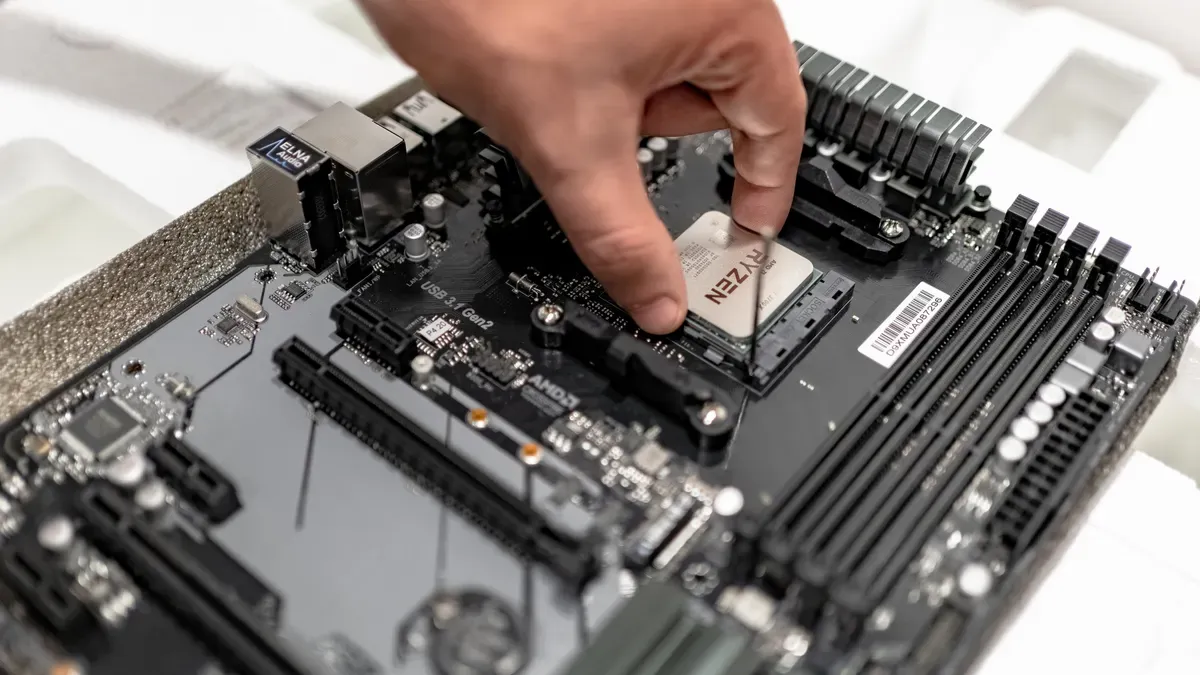
When you design custom PCBs for OpenAI API integration, several key considerations come into play. First, you must ensure that your PCB layout accommodates the specific requirements of the OpenAI API hardware. This includes:
Component Placement: Position components strategically to minimize signal interference. Keep high-frequency components away from sensitive analog parts.
Thermal Management: AI applications can generate significant heat. Design your PCB with adequate thermal reliefs and consider using heat sinks where necessary.
Power Distribution: Ensure that your power distribution network can handle the current demands of all components. Use wide traces for power lines to reduce voltage drop.
Signal Integrity: Maintain signal integrity by using proper trace widths and lengths. Implement differential signaling for high-speed data lines to reduce noise.
As industry expert Dr. Jane Smith states, “Effective PCB design is crucial for maximizing the performance of AI applications. A well-thought-out layout can significantly enhance device reliability.”
Prototyping and Testing
Prototyping and testing are vital steps in the PCB design process. Rapid prototyping allows you to create a physical model of your design quickly. This process helps you identify potential issues early on. You can use tools like 3D printing for enclosures or breadboards for initial testing.
Testing your prototype is equally important. Conduct functional tests to ensure that all components work as intended. You should also perform stress tests to evaluate how your design handles extreme conditions. This iterative process allows you to refine your design before moving to production.
By following these design considerations and embracing prototyping, you can create effective custom PCBs that leverage the capabilities of OpenAI API hardware. This approach not only enhances your product’s performance but also ensures a smoother transition from concept to market.
Applications of OpenAI API in AIoT Devices
Use Cases in Smart Devices
The integration of OpenAI API hardware into smart devices opens up a world of possibilities. Here are some prominent use cases that demonstrate the transformative impact of this technology:
AI Gateways: These devices enhance urban management by analyzing traffic data. They adjust traffic light timings based on vehicle flow and congestion data, leading to smoother traffic patterns. Additionally, AI gateways improve public service efficiency by providing real-time routing suggestions to drivers.
Smart Home Systems: By integrating OpenAI’s API, smart home devices can enhance user interaction through voice-activated assistants. These systems learn from user interactions, personalizing experiences by automatically adjusting settings based on habits. For instance, they can suggest actions like repairs or efficiency adjustments when anomalies are detected through data analysis from home sensors.
Smart Building Controllers: These controllers utilize AI to optimize energy consumption and improve security. They analyze data from various sensors to manage heating, cooling, and lighting systems efficiently. This not only reduces operational costs but also contributes to sustainability efforts.
The versatility of OpenAI API hardware in these applications showcases its potential to revolutionize how we interact with technology in our daily lives.
Enhancing User Experience
Integrating OpenAI API hardware significantly enhances user experience across various applications. The benefits are clear:
Key Benefit | Description |
|---|---|
Speed and Accuracy | The API provides fast processing, crucial for applications requiring immediate responses. |
Boost in User Engagement and Satisfaction | Real-time interactions enhance user experience, leading to higher retention rates. |
Seamless User Experience | Eliminates delays in conversational flow, ensuring dynamic interactions in critical applications. |
High-Frequency Interactions | Supports applications that demand quick turnaround, such as customer support and live sessions. |
Advanced Language Understanding | Combines speed with sophisticated language processing, setting a new benchmark in conversational AI. |
These enhancements lead to increased user satisfaction and engagement. Users appreciate the responsiveness and accuracy of their devices, which fosters a deeper connection with technology. As a result, businesses can expect higher retention rates and improved customer loyalty.
Best Practices for PCB Assembly
Power and Communication Stability
Ensuring power and communication stability is crucial for the performance of your PCB designs. Here are some best practices to follow:
Use Decoupling Capacitors: Place decoupling capacitors close to power pins of integrated circuits. This helps filter out noise and provides a stable voltage supply.
Implement Ground Planes: A solid ground plane minimizes electromagnetic interference (EMI) and enhances signal integrity. This is especially important for devices utilizing OpenAI API hardware.
Test Power Distribution: Verify that your power distribution network can handle the current requirements of all components. Use simulation tools to analyze voltage drops across traces.
Follow Industry Standards: Adhere to IPC standards for PCB design and assembly. These guidelines ensure reliability and quality in your products.
From Prototype to Production
Transitioning from prototype to production involves several key steps. Follow this process to ensure a smooth transition:
Finalize Your Design: Review your prototype thoroughly. Make necessary adjustments based on testing feedback to optimize performance.
Select a Reliable Manufacturer: Choose a manufacturer with experience in PCB assembly for AI IoT applications. Look for certifications such as ISO 9001 or IPC-A-610 to ensure quality.
Conduct a Design for Manufacturability (DFM) Review: This review identifies potential manufacturing issues early. It helps you avoid costly changes later in the production process.
Plan for Testing: Develop a comprehensive testing plan. Include functional tests, stress tests, and compliance checks to ensure your product meets industry standards.
Monitor Production Quality: Implement quality control measures during production. Regular inspections and testing can help maintain high standards.
By following these best practices, you can enhance the reliability of your PCB assemblies. Brands like bonysn excel in supporting AI IoT PCBA, BOM kitting, SMT assembly, testing, and flexible batch production. Their expertise ensures that your products meet the demands of modern technology while maintaining high quality.
Incorporating OpenAI API hardware into custom PCB assembly significantly enhances your AI and IoT devices. You gain access to advanced functionalities that improve user experience and operational efficiency. Key components like microcontrollers and communication modules play vital roles in this integration. As you explore these technologies, consider how brands like bonysn can support your projects with their expertise in AI IoT PCBA, BOM kitting, and flexible batch production. Embrace the potential of these innovations to elevate your product offerings.
FAQ
What is custom PCB assembly?
Custom PCB assembly involves designing and manufacturing printed circuit boards tailored to specific hardware requirements. This process includes component placement, soldering, and testing to ensure optimal performance in devices like those using OpenAI API.
How does OpenAI API enhance AIoT devices?
OpenAI API enhances AIoT devices by providing advanced AI capabilities. It enables real-time data processing, natural language understanding, and intelligent decision-making, improving user interaction and overall device functionality.
What are the benefits of using bonysn for PCB assembly?
Bonysn offers expertise in AI IoT PCBA, BOM kitting, SMT assembly, and flexible batch production. Their commitment to quality and adherence to industry standards ensure reliable and efficient manufacturing processes for your projects.
How can I ensure my PCB design is effective?
To ensure an effective PCB design, focus on component placement, thermal management, and signal integrity. Prototyping and thorough testing also help identify issues early, leading to a more reliable final product.
What types of communication modules should I consider?
Consider Wi-Fi, Bluetooth, cellular, and LoRaWAN modules based on your device’s needs. Each module serves different purposes, such as internet connectivity, short-range communication, or long-range data transmission, enhancing your device’s capabilities.
See Also
Innovative PCB Design And Assembly For AI Companion Devices
Understanding OpenAI Hardware Trends For Custom AI PCBA
Tailored Edge AI PCBA Solutions For American Startups