
In today’s fast-paced urban environments, technology plays a pivotal role in enhancing city life. You witness how innovative solutions emerge to tackle challenges like traffic congestion, energy management, and public safety. OpenAI hardware trend significantly influences these advancements. By integrating artificial intelligence into everyday urban systems, cities can become smarter and more efficient. This transformation empowers you to experience a more connected and sustainable environment.
Key Takeaways
AI edge devices process data locally, enabling real-time decision-making and improving city services like traffic management.
Investing in AI security terminals enhances public safety by providing immediate threat detection and monitoring.
Choosing the right printed circuit boards (PCBs) is crucial for the performance and durability of AI devices in urban environments.
Compact designs and innovative layouts in AI hardware support efficient operations in space-constrained urban settings.
Embracing AI in PCB design automates processes, reduces errors, and speeds up product development, making it easier to meet smart city demands.
OpenAI Hardware in Smart Cities
AI Edge Devices Overview
AI edge devices serve as the backbone of smart city infrastructure. These devices process data closer to the source, enabling real-time decision-making. You can find various types of AI edge devices in urban environments, including:
Edge servers
Sensors
Cameras
These devices play a crucial role in enhancing the efficiency and responsiveness of city services. By utilizing AI, they can analyze data on-site, reducing the need for extensive data transmission to centralized servers.
Key Applications in Urban Settings
The integration of AI edge devices in smart city applications transforms how you experience urban life. Here are some key applications:
Public Safety Video Analytics
Optimized Utility Grids
Autonomous Public Transit
These applications leverage the capabilities of AI edge devices to improve city operations. For instance, intelligent traffic management systems utilize real-time data to adjust traffic signals dynamically, reducing congestion and enhancing mobility.
AI edge devices also contribute significantly to real-time data processing. They handle local data efficiently, ensuring immediate responses to IoT-generated information. The benefits of this approach include:
Benefit/Use Case | Description |
|---|---|
Local Data Handling | AI edge devices process data locally, ensuring immediate responses to IoT-generated data. |
Reduced Latency | By minimizing the distance data must travel, edge devices enhance the speed of data processing. |
Improved Reliability | Local processing allows systems to function even during internet outages, ensuring continuous performance. |
Efficient IoT Operations | Edge computing alleviates network congestion by processing data from numerous connected devices locally. |
Real-World Applications | Smart cities utilize edge systems for traffic management, waste control, and public safety improvements. |
Moreover, the integration of AI edge devices enhances surveillance and security. These devices consolidate live data from various sources, such as sensors and CCTV cameras, for unified monitoring. They utilize AI-driven video analysis and facial recognition to ensure public safety.
OpenAI Hardware Trend and Market Growth
AI Security Terminals and Gateways
The demand for AI security terminals and gateways is rising rapidly in smart cities. These devices enhance urban safety by providing real-time monitoring and threat detection. You can expect to see these terminals equipped with advanced AI algorithms that analyze video feeds and sensor data. This capability allows for immediate responses to potential security threats, ensuring a safer environment for residents.
Market projections indicate significant growth in the AI security sector. Analysts predict that the global market for AI security solutions will reach $30 billion by 2025. This growth reflects the increasing reliance on technology to safeguard urban areas. As cities expand, the need for robust security measures becomes paramount.
Traffic Analysis Boxes and Building Controllers
Traffic analysis boxes and building controllers are essential components of modern urban infrastructure. These devices collect and process data to optimize traffic flow and manage building systems efficiently. You can find traffic analysis boxes deployed at intersections, where they monitor vehicle movement and adjust traffic signals accordingly. This real-time data processing reduces congestion and enhances overall traffic management.
Building controllers, on the other hand, integrate various systems within a structure, such as lighting, heating, and security. They utilize AI to analyze usage patterns and optimize energy consumption. This not only improves efficiency but also contributes to sustainability efforts in urban settings.
The impact of these devices on urban infrastructure management is profound. The following table summarizes their contributions:
Service Category | Description |
|---|---|
Transportation Engineering | Analysis and design of traffic systems to improve flow and safety, including signal optimization and intersection design. |
Urban Infrastructure | Integration of advanced technologies to create smart infrastructure that enhances connectivity, efficiency, and sustainability. |
Authorities Approvals | Securing approvals for the implementation of intelligent transportation systems to enhance traffic management and safety. |
As the OpenAI hardware trend continues to evolve, manufacturers must adapt to meet the growing demand for these devices. The implications of this growth trend include increased investment in research and development, as well as the need for innovative manufacturing processes. Companies that embrace these changes will position themselves as leaders in the smart city landscape.
Demands of AI Edge Device Hardware
Performance Challenges
AI edge device hardware faces several performance challenges that impact its effectiveness in smart cities. You should be aware of the following key issues:
Extreme Thermal Load: AI hardware must operate reliably in high temperatures, often exceeding 50°C. This requirement necessitates advanced thermal management solutions.
High Maintenance Costs: Manual interventions for maintenance, commonly referred to as ‘truck rolls’, can be costly and time-consuming. Reducing these costs is essential for sustainable operations.
Fragmented Ecosystems: Ensuring seamless connectivity among numerous smart devices presents a significant challenge. You need robust solutions to integrate various technologies effectively.
These challenges highlight the importance of designing AI hardware that can withstand demanding conditions while maintaining performance.
Types of PCBs for AI Applications
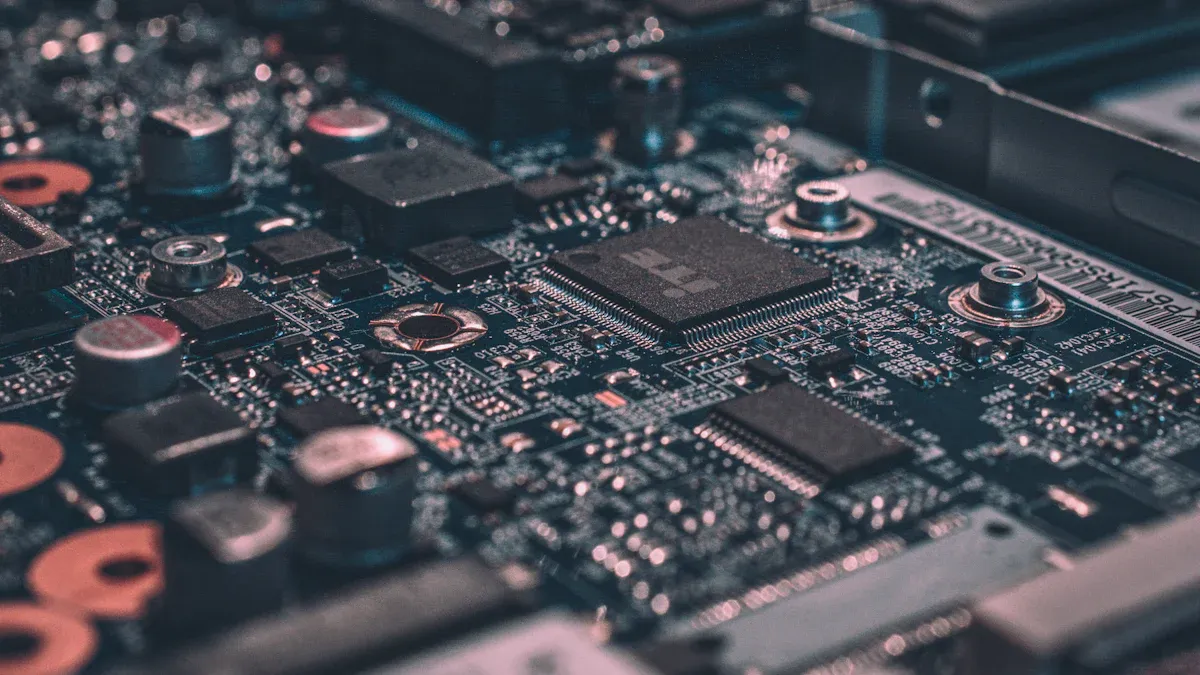
The choice of printed circuit boards (PCBs) plays a crucial role in the performance and durability of AI edge devices. Here are some common types of PCBs used in AI applications:
High-Density Interconnect (HDI) PCBs: These boards enhance signal integrity and enable compact layouts, which are essential for high-speed data processing.
Multi-layer PCBs: These designs allow for more complex circuitry, improving performance in handling large data loads efficiently.
Thermal Management PCBs: These boards utilize materials that help dissipate heat effectively, preventing overheating during intensive computational tasks.
Selecting the right PCB type is vital for ensuring long-term operational stability and reliability. The integration of high-power System on Chips (SoCs) and the need for electromagnetic compatibility further emphasize the importance of advanced PCB designs in AI edge devices.
Advanced Materials for AI Hardware
High-Temperature Resistance
In smart city applications, AI hardware often operates in extreme environments. High temperatures can exceed 50°C, which poses significant challenges. You must prioritize high-temperature resistance in your hardware design. This resistance ensures that devices function reliably without overheating.
Materials like polyimide and ceramic composites are excellent choices for high-temperature applications. These materials maintain their structural integrity and performance even under intense heat. By selecting the right materials, you enhance the longevity and reliability of your AI edge devices.
Tip: Always consider thermal management solutions, such as heat sinks or cooling systems, to further protect your devices from thermal stress.
Power Stability and Connector Selection
Power stability is crucial for the performance of AI edge devices. Unstable power supply can lead to device malfunctions or failures. You should focus on using high-quality power management systems to ensure consistent energy delivery.
When it comes to connectors, selecting the right type is essential. Connectors must withstand environmental factors like moisture, dust, and temperature fluctuations. Here are some key considerations for connector selection:
Durability: Choose connectors made from robust materials that resist wear and tear.
Compatibility: Ensure connectors are compatible with your specific hardware and power requirements.
Ease of Maintenance: Opt for designs that allow for easy replacement or upgrades.
Connector Type | Advantages |
|---|---|
Circular Connectors | Excellent sealing against environmental factors |
Rectangular Connectors | Space-efficient and versatile for various applications |
By focusing on power stability and selecting the right connectors, you can significantly enhance the performance and reliability of your AI hardware in smart city environments.
Miniaturization Trends in PCB Design
Compact Designs
Compact designs in AI hardware are essential for urban applications where space is often limited. You benefit from lightweight edge computing solutions and modular systems that facilitate deployment in these resource-constrained environments. These designs enable real-time inference and decision-making, which enhances overall performance and efficiency. The ability to scale from compact modules to more powerful systems ensures that AI infrastructure adapts to various deployment needs.
Innovations in Layout
Innovative PCB layouts drive advancements in AI edge device manufacturing. Here’s a summary of key innovations that enhance functionality and efficiency:
Innovation Type | Description |
|---|---|
Multi-layer PCB Design | Enables the accommodation of complex circuits and helps in reducing noise. |
Design for Manufacturability | Focuses on designing PCBs for efficient manufacturing and cost reduction. |
These innovations allow you to optimize component placement and routing. AI algorithms can automate this process, examining design restrictions, electrical performance needs, and thermal factors to minimize signal interference. Additionally, AI-driven tools suggest optimal component placement, which reduces electromagnetic interference and improves signal integrity.
By embracing these trends, you can ensure that your AI edge devices remain competitive and effective in smart city applications. The integration of compact designs and innovative layouts not only enhances the performance of AI hardware but also supports the growing demands of urban environments.
AI in PCB Design
Automated Design Processes
AI revolutionizes PCB design by automating various processes. You can leverage AI algorithms to streamline tasks such as layout optimization, component placement, and routing. These automated processes reduce the time required for design iterations. As a result, you can focus on more critical aspects of your project, enhancing overall productivity.
AI tools analyze vast amounts of data to identify optimal designs. They consider factors like electrical performance, thermal management, and manufacturability. This capability allows you to create more efficient and reliable PCBs. The automation of repetitive tasks minimizes human error, leading to higher quality designs.
Tip: Implementing AI-driven design tools can significantly shorten your development cycle, allowing you to bring products to market faster.
Enhancing Efficiency
Efficiency in PCB design is crucial for meeting the demands of smart city applications. AI enhances this efficiency in several ways:
Error Reduction: AI-driven systems improve defect detection during the design phase. By identifying potential issues early, you can avoid costly revisions later.
Quality Control: Automated checks ensure that designs meet industry standards. This focus on quality leads to more reliable products.
Faster Prototyping: AI accelerates the prototyping process. You can quickly iterate on designs, testing various configurations without extensive manual input.
A study highlights the impact of AI on PCB defect detection. It shows that AI implementations can lead to improved efficiency in the design process by reducing errors and enhancing quality control. This evidence underscores the importance of integrating AI into your PCB design workflow.
By embracing AI in PCB design, you not only enhance efficiency but also improve the overall quality of your products. This approach positions you to meet the growing demands of smart city infrastructure effectively.
Manufacturing Innovations in AI Edge Devices
OEM/ODM Processes
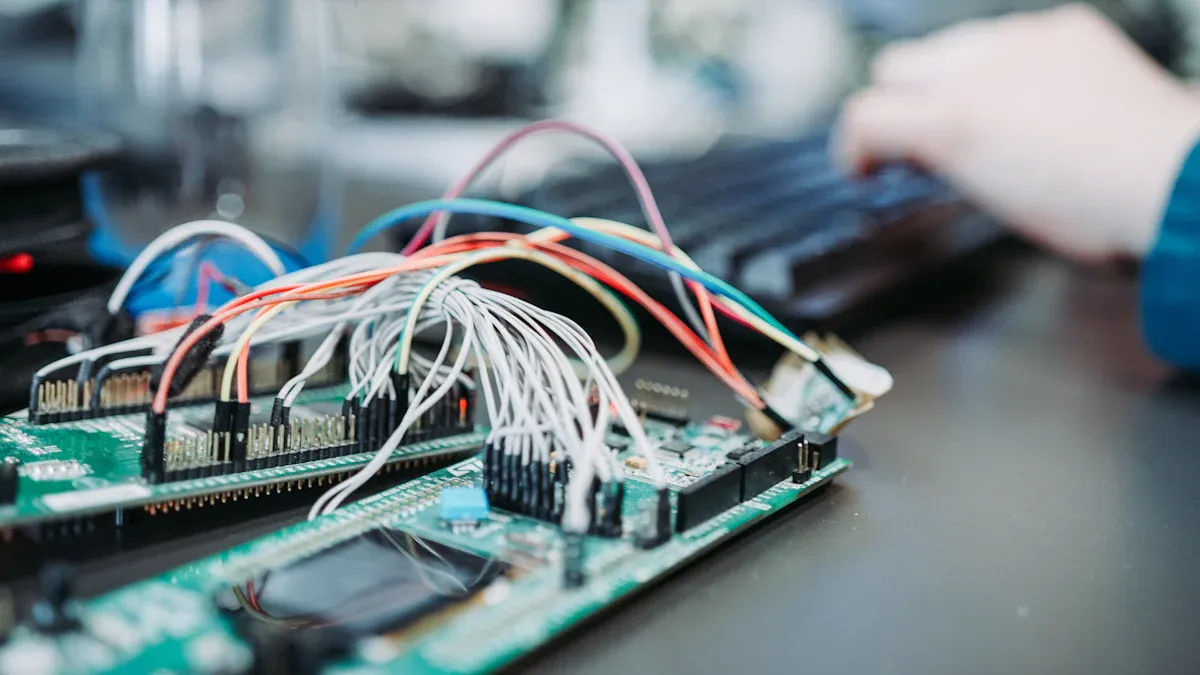
In the realm of AI edge device manufacturing, Original Equipment Manufacturer (OEM) and Original Design Manufacturer (ODM) processes play a crucial role. These project-based approaches allow you to customize products according to specific requirements. OEMs focus on producing hardware based on your designs, while ODMs take it a step further by offering design services alongside manufacturing. This flexibility enables you to bring innovative solutions to market quickly.
You can benefit from these processes in several ways:
Cost Efficiency: By leveraging existing designs, you reduce development costs.
Faster Time-to-Market: Streamlined production processes allow for quicker product launches.
Customization: Tailor products to meet unique urban challenges and requirements.
Industry Leaders
Several industry leaders drive advancements in AI edge device manufacturing for smart cities. Their contributions shape the landscape of smart technology. Here’s a look at some key players:
Company Name | Focus Area | Headquarters | Notable Product |
|---|---|---|---|
Omniflow | Sustainable smart city solutions | Porto, Lisboa, Portugal | Smart IoT Lamppost powered by wind and solar |
Feelit Technologies | Edge AI solutions | N/A | N/A |
Elroy Air | Edge AI solutions | N/A | N/A |
These companies exemplify innovation in the field. For instance, Omniflow’s smart IoT lamppost integrates renewable energy sources, showcasing how technology can enhance urban sustainability. By collaborating with these leaders, you can access cutting-edge solutions that address the unique challenges of smart cities.
Embracing OEM and ODM processes alongside insights from industry leaders positions you to stay ahead in the rapidly evolving landscape of AI edge devices.
In summary, OpenAI hardware and AI edge devices play a vital role in shaping smart cities. You benefit from enhanced urban infrastructure, improved public safety, and efficient resource management. As technology continues to evolve, staying informed about these advancements is crucial.
Tip: Embrace the potential of AI in your city. Explore how these innovations can create a more connected and sustainable environment for you and your community.
By investing in AI edge devices, you contribute to a smarter, safer, and more efficient urban future.
FAQ
What are AI edge devices?
AI edge devices process data locally, close to the source. They enable real-time decision-making and improve efficiency in smart city applications, such as traffic management and public safety.
How do AI edge devices enhance public safety?
AI edge devices utilize advanced algorithms to analyze video feeds and sensor data. They provide real-time monitoring and threat detection, ensuring a safer urban environment for residents.
What types of PCBs are used in AI edge devices?
Common types of PCBs for AI applications include High-Density Interconnect (HDI) PCBs, multi-layer PCBs, and thermal management PCBs. Each type supports specific performance and durability requirements.
Why is high-temperature resistance important for AI hardware?
High-temperature resistance ensures that AI hardware operates reliably in extreme environments. It prevents overheating and maintains performance, which is crucial for devices deployed in urban settings.
How can I stay updated on AI edge device trends?
You can follow industry publications, attend conferences, and engage with online communities focused on smart city technologies. Staying informed helps you understand the latest advancements and best practices.
See Also
Understanding OpenAI Hardware Trends for Custom AI Device PCBA
Exploring OpenAI Stargate and AI Data Center Hardware Options
Tailored Edge AI PCBA Solutions for American Hardware Startups
PCB Assembly for AI Inference Servers in UK Edge Projects
Comprehensive AI PCBA Solutions for Irish MedTech and IoT Firms