
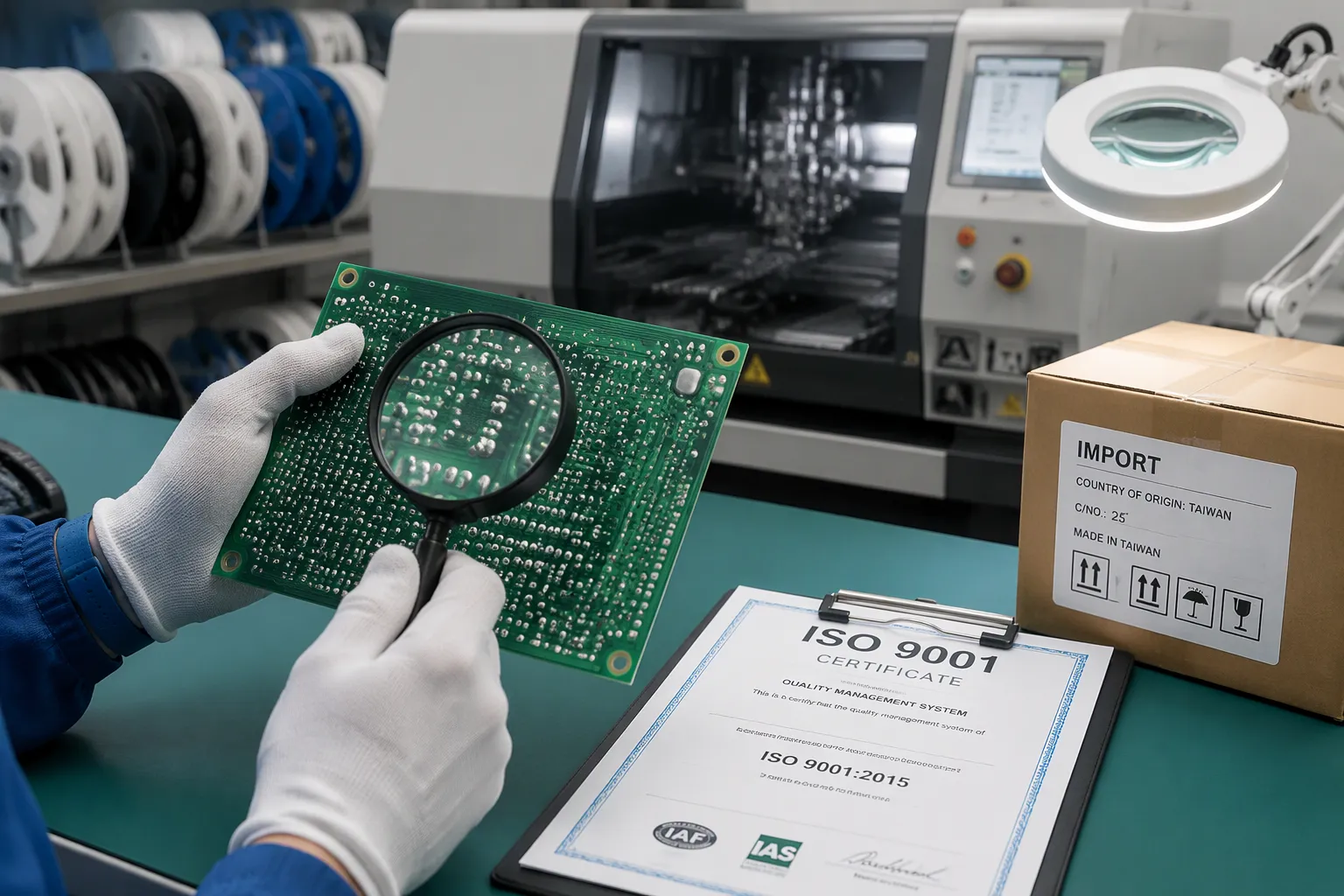
You face a clear trade-off when you choose between local UK and offshore PCB assembly UK. Local sourcing gives you speed, direct control, and strong support for high-stakes, low-volume builds. Offshore sourcing offers lower unit cost, but you must confirm certification and calculate landed cost. As a UK PCBA buyer, you should compare total landed cost, not unit price alone. Freight, inspection, defects, and returns all change the final figure. ISO 9001 compliance also needs checking on both sides. A certificate on paper means little without an audit trail. Your decision should rest on proven quality and real total cost.
Key Takeaways
Compare the total landed cost, not just the unit price, to find the best deal.
Pick the sourcing route that fits your project’s size, schedule, and budget.
Check ISO 9001 compliance by looking at audits and batch records, not just a certificate.
Think about nearby choices like Bulgaria to balance cost and speed.
Don’t let hidden fees and quality problems wipe out the savings you get from low unit prices.
Local PCB Assembly UK: Performance and Fit
Technical Performance
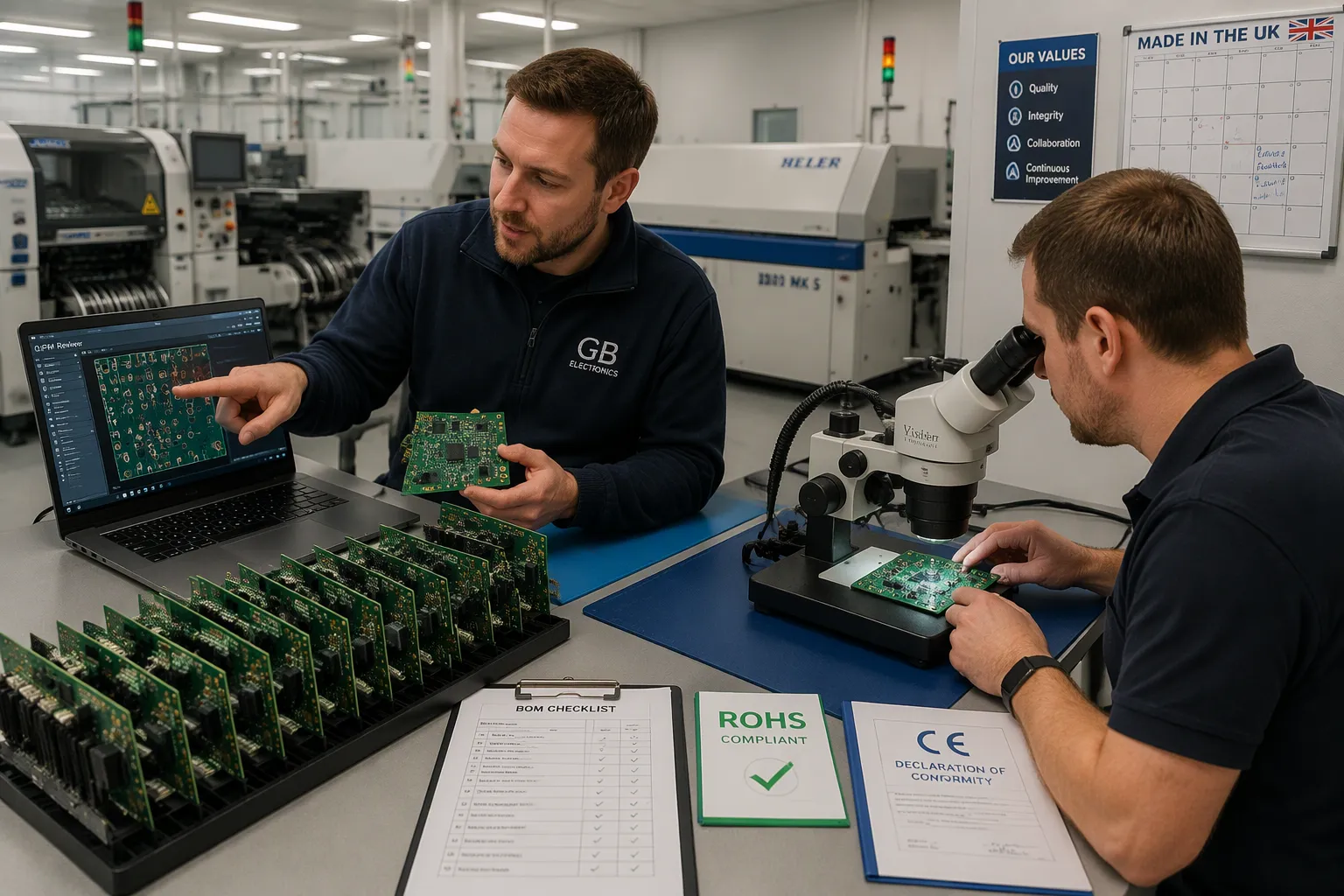
UK suppliers set the standard for high-stakes, low-volume production. You get to talk directly to engineers who check your design before tooling starts. A dfm review catches pad geometry and footprint errors early. A bom review points out parts that are obsolete or hard to find. This design for manufacturability practice cuts rework and keeps your schedule safe. Every pcb assembly run gains from this early work. You also get quick answers on engineering changes. A question about layer stackup or solder mask clearance gets solved in hours, not weeks. You keep the same contact person from prototype to pilot run.
The trade-off is a higher price for each unit. You pay for being close, for accountability, and for fast local engineering feedback. For complex boards in electronics manufacturing, that extra cost often pays off through fewer build rounds. A pcb assembly uk quote shows this engineering depth. First-article inspection happens on your schedule. Test coverage and rework loops stay visible to your team.
Application Fit and Compliance
Local sourcing fits prototyping, low volume, tight lead times, and sensitive applications. You can visit the line, approve first articles in person, and fix issues the same day. Your pcb assembly uk supplier follows the same UK legal rules you do. Ask for rohs compliance evidence and ce, rohs, and reach alignment documents before you commit. A uk-based partner can guide you through compliance rules for your sector. Request a quote for low-volume assembly and confirm the audit trail.
Material declarations and process records should come with every batch. Sensitive applications need traceability down to the component level. You can audit a local supplier’s records without a freight forwarder in between. Batch sampling gives you a second check on solder joints and placement accuracy. Short runs with tight tolerances gain the most. This local model suits teams that value control over unit cost. It also suits builds where a delay costs more than the unit premium.
Offshore PCB Assembly: Performance and Fit
Technical Performance
Offshore partners are good at high-volume runs. Their lines stay busy, so setup time is spread over thousands of boards. You get a low unit price on mature designs with stable bills of materials. A design for manufacturability check still matters here. Send your files early and ask the factory to confirm panel utilization and component placement. A bom review before release protects you from part shortages and last-minute substitutions. Many offshore factories have solid process control on standard builds. Complex or unusual boards need closer attention. Ask for first-article reports and test data before you approve volume production.
Application Fit and Compliance
Offshore assembly fits higher volumes, cost-sensitive builds, and mature designs. You gain the most when your design is frozen and your forecast is steady. The unit price looks attractive at quote stage. That figure can go up once you add freight, inspection, defects, and returns. A cheaper offshore option can cost more in the end. Budget for incoming inspection, rework, and replacement shipments. Each defect adds handling time and freight charges. Compliance also needs proof. Request ISO 9001 evidence and material declarations for every batch. Compare offshore alternatives on total landed cost, not the quote alone. This approach keeps your electronics manufacturing budget honest. It also protects your electronics assembly schedule when a shipment slips.
Bulgaria’s Role in Europe’s Supply Chain
Nearshore PCB Assembly Options
Bulgaria sits between local UK sourcing and far-offshore production. It is a European nearshore option for teams that want lower unit cost without a long ocean freight leg. The country has a growing base of contract manufacturers that serve european pcb assembly buyers. Many of these plants run modern SMT lines and hold ISO 9001 certification. You can treat Bulgaria as a serious nearshoring option for mid-volume builds. It also works well for mature designs that no longer need daily engineering support.
Your nearshoring options inside Europe are wider than many buyers think. Bulgaria stands out for competitive pricing and a shared time zone with much of the continent. It fits european and uk projects that need a balance of cost and proximity. A Bulgarian partner can support electronics manufacturing for consumer, industrial, and automotive work. Ask for ce, rohs, and reach alignment documents before you release a build. This step keeps your compliance file complete. Bulgaria’s role in Europe’s supply chain is growing for exactly this reason.
Lead Times and Logistics
Freight from Bulgaria moves overland by road or rail. You avoid the sea transit and port delays that affect far-offshore shipments. A truck route to the UK keeps your supply chain shorter and easier to track. You can plan collection windows and hold buffer stock closer to home. This nearshoring model lowers the risk of a stalled shipment. It also gives you a faster path to rework if a batch fails inspection.
Bulgaria’s role in Europe’s supply chain also shows in customs handling. Goods move within the European trading framework, so paperwork is simpler than a long-haul import. Your local UK team can still visit the plant within a normal working day. That access supports audits and first-article approvals. Bulgaria’s role in Europe’s supply chain works best for mid-volume runs with steady forecasts. Compare it against your supply chain priorities before you commit.
ISO 9001 Expectations for PCB Assembly
What ISO 9001 Requires
ISO 9001 is a quality management standard that countries around the world accept. Accreditation means an independent group has checked a company against its rules. The standard asks a supplier to write down its processes, keep records, and fix problems when they show up. You should expect a certified partner to show you a quality manual, a written inspection flow, and a clear way to handle boards that fail. These controls matter most in pcb assembly, where one missed step can affect a whole batch.
The standard does not set a fixed defect limit. It asks the supplier to set its own targets and prove it meets them. Ask how the supplier records first-article results, solder joint checks, and rework. Batch sampling is a common quality practice in comparisons of UK and European EMS companies. A supplier pulls a sample from each lot and inspects it against agreed criteria. You should confirm the sample size and the accept criteria in writing before production starts.
Verifying Supplier Compliance
A certificate alone proves little. You need to check the scope of the certificate and the date of the last audit. Ask for the certification body name and confirm the certificate covers the site that will build your boards. Request recent audit findings and the corrective actions taken. This step turns a paper claim into real evidence of compliance.
Verification should also cover the records behind each batch. Ask for traceability data, test logs, and material declarations. A supplier that answers these requests quickly usually runs a tight process. A supplier that stalls may have gaps in its system. Build this check into your supplier approval flow for every option, whether the plant sits in the UK or abroad. Strong compliance evidence protects your schedule and your end customers.
Import Costs for Offshore Assembly

Duties, Taxes, and Freight
Your quote from an overseas plant covers making the board, the parts, and the assembly. It does not cover the trip to your door. Figure out the full landed cost before you compare suppliers. Start with PCB fabrication and the component kit. Add assembly labor and test. Then add freight, insurance, and the duty and tax you owe at entry. Inspection on your end is a real cost too. So are defects, rework, and return shipments. Each item adds to the amount you really pay.
Freight needs its own line. Air freight is fast and costs more. Sea freight saves money and adds weeks to your schedule. Both routes can hit customs delays when paperwork has a gap. A missing certificate of origin or a wrong invoice value can hold a pallet at the port. Your customs broker charges for every extra day of storage. Duty rates depend on the product class and the country of origin. Tax applies on top. Check both with your broker before you place the order.
Hidden Fees and Landed Cost
The unit price on an offshore quote is the smallest part of the story. Hidden fees grow quietly around it. Expect charges for paperwork, terminal handling, and currency conversion. Add the engineering time you spend chasing shipment status. Add the storage cost when a batch arrives late. These items rarely show up on the original quote.
Quality issues do more harm. A batch that fails incoming inspection needs rework or replacement. You pay freight twice and lose schedule time. Returns cross the border again and bring more paperwork. One failed lot can erase the savings from several good ones. This is how a seemingly cheap offshore option loses its edge.
A bom review before release protects you here. A part swap at the factory can cause a compliance problem at import. Design for manufacturability checks lower the defect rate that drives returns. Treat your supply chain as one system, from design file to dock. Compare every option on total landed cost, not unit price. A local or nearshore partner may cost more per board and less per delivered, working unit. Run the full math for your uk project before you decide. The uk buyer who tracks landed cost makes the better call.
Local vs Offshore: Cost and Fit Summary
Where Each Option Fits Best
Each sourcing route has a clear job. Local UK assembly works well for prototypes, low-volume runs, and sensitive builds. You pay more per board but gain speed, control, and direct engineering access. Nearshore production in Bulgaria sits in the middle. It costs less than the UK and has shorter freight routes than Asia. Offshore assembly wins on unit price for high volumes and mature designs. The global PCB industry reached about $43 billion in 2025. Analysts expect growth to $46.7 billion, driven by AI demand. That growth raises pressure on capacity and lead times everywhere.
Factor | Local UK | Nearshore (Bulgaria) | Offshore |
|---|---|---|---|
Unit cost | Highest | Mid-range | Lowest |
Lead times | Shortest | Short | Longest |
Best volume | Low | Mid | High |
Compliance access | Direct, on-site | Within a day’s travel | Remote, paperwork-led |
Decision Factors by Project
Start with your volume and your schedule. A tight deadline on a complex board points to a local partner. A steady mid-volume build with a frozen design suits nearshoring. A high-volume consumer product with a stable BOM favors offshore. Next, weigh compliance needs. Regulated sectors need an audit trail you can inspect in person. Ask every supplier for ISO 9001 evidence and batch records.
Then run the full cost math. Add freight, inspection, defects, and returns to every quote. A low unit price can hide a high landed cost. Your supply chain works best when you match the route to the project, not to habit. A pcb assembly uk partner protects a launch date. A Bulgarian plant balances budget and proximity. An offshore factory protects margin at scale. Treat electronics manufacturing as a portfolio of routes. Use each one where it earns its place. Compare total landed cost and verified compliance before you sign. That habit serves every pcb assembly decision you make.
Match your sourcing route to what matters most to you. Think about lead time, volume, budget, certification needs, and supply-chain control before you decide. A tight deadline points to a local partner. A steady mid-volume build fits nearshore work. A high-volume, cost-sensitive product points offshore. Each route has a real use, so no single answer works for every project.
Compare total landed cost and checked ISO 9001 compliance, not unit price alone. This habit helps every pcb assembly uk decision you make. Your uk team gains the most from honest math and checked certificates. Treat cost, quality, and compliance as one picture. Pick the route that fits your project, and review that choice as your needs change.
FAQ
Which option gives the fastest turnaround for a new design?
Local assembly wins on speed. You get direct engineering feedback and same-day fixes on design issues. A tight deadline on a complex board points to a local partner. Offshore routes add freight time to every build round.
How do I confirm a supplier truly meets ISO 9001?
Check the certificate scope and the last audit date. Confirm the certificate covers the site that builds your boards. Ask for recent audit findings and corrective actions. Request batch records, test logs, and material declarations. A supplier that answers quickly usually runs a tight process.
When does nearshore assembly make more sense than offshore?
Pick nearshore work for mid-volume builds with steady forecasts. Freight moves overland, so you avoid sea transit and port delays. You can visit the plant within a working day. Offshore still wins on unit price at high volume.
What should I include in total landed cost?
Add fabrication, components, assembly, freight, insurance, duty, and tax. Include incoming inspection, defects, rework, and returns. A low unit price can hide a high landed cost. Run the full math for your uk project before you commit.
Does a low unit price always mean lower cost?
No. Hidden fees and quality failures erase the unit-cost advantage. One failed lot can cost more than the savings from several good ones. Compare every option on delivered cost, not the quote alone. That habit serves every uk sourcing decision.
See Also
Polish Electronics Factories Served by OEM AI PCBA Manufacturing
Mexican Manufacturing Plants Get AI Inspection PCBA Solutions
UK Edge Computing Projects Receive AI Inference Server PCB Assembly
Mexican Electronics Companies Offered Custom AI PCBA Manufacturing