
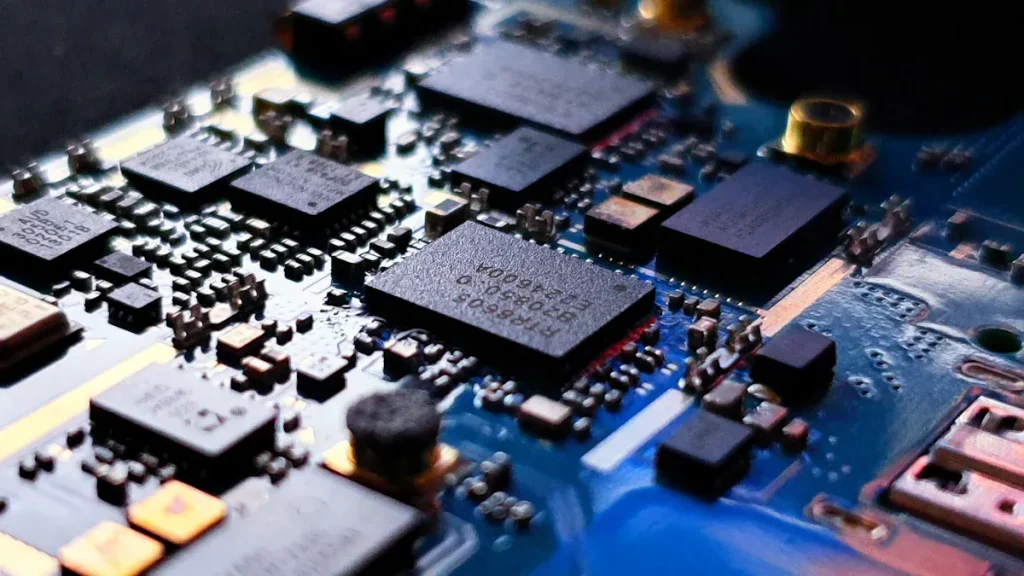
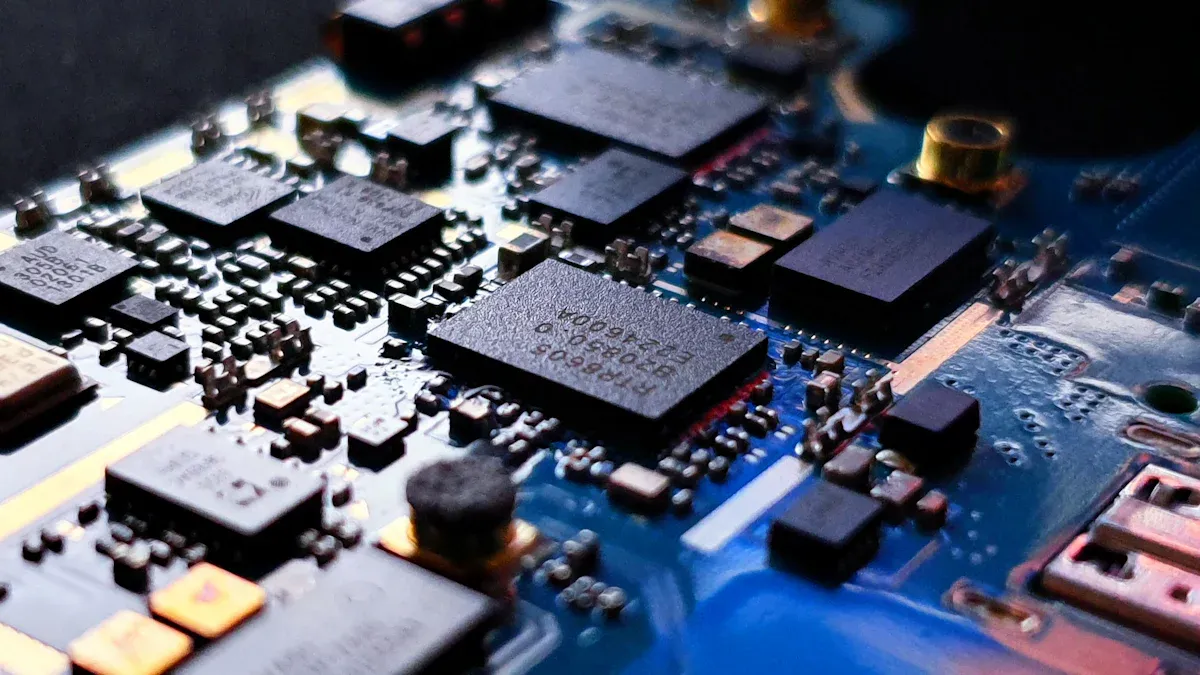
The assembly of printed circuit boards (PCBs) plays a vital role in the development of AI voice hardware PCBA. As you explore the world of smart devices, you’ll notice the significant shift towards voice interaction. In 2024, over 8.4 billion voice-enabled devices are projected to be in use globally. By 2028, more than 55% of household electronics will likely feature voice control. This transition highlights the importance of PCB assembly in integrating dedicated AI processing chips and high-speed memory. These components are essential for efficient voice recognition and natural language processing, allowing devices to respond quickly and accurately to user commands.
Key Takeaways
PCB assembly is essential for the performance of AI voice devices. It ensures components are securely connected, enhancing reliability.
Key components like microphone arrays, audio codecs, and wireless modules are crucial for effective voice recognition and communication.
Implementing best practices in design, such as careful component placement and thermal management, improves device functionality.
Rigorous testing, including functional and communication tests, ensures devices meet performance standards before reaching users.
Quality control in PCBA prevents defects and enhances user experience, making it vital for successful AI voice hardware.
AI Voice Hardware Components
AI voice hardware devices rely on several key components that work together to deliver seamless user interaction. Understanding these components is crucial for anyone involved in the design and assembly of such devices.
Microphone Arrays
Microphone arrays play a pivotal role in capturing high-quality audio signals. They consist of multiple microphones arranged strategically to enhance voice recognition accuracy. Here’s how they improve performance:
Noise Suppression: Microphone arrays filter out background noise, allowing the device to focus on the user’s voice.
Echo Cancellation: They reduce echo effects, which is essential in environments with hard surfaces.
Source Localization: This technology helps the device determine the direction of the sound source, improving response accuracy.
Beamforming: By directing sensitivity towards the user, microphone arrays enhance clarity, especially in noisy settings.
Recent advancements in microphone technology have introduced features like MEMS microphones designed for directionality. These innovations significantly improve sound capture, making them ideal for AI applications.
Feature | Description |
|---|---|
New MEMS Microphones | Designed for directionality, enhancing performance for AI applications. |
High SNR | Achieves high signal-to-noise ratio with a single microphone. |
AI Integration | Combines hardware and software for advanced features like noise elimination. |
Audio Codec
Audio codecs are essential for processing and transmitting voice signals in AI voice hardware. They encode and decode audio data, optimizing it for network transmission while ensuring high-quality communication. Here’s why they matter:
Bandwidth Optimization: Codecs compress audio to minimize bandwidth usage, crucial for effective VoIP communication.
Quality Impact: The choice of codec directly affects call quality. For instance, G.722 is favored for its clear voice quality without excessive bandwidth use.
Incorporating a reliable audio codec ensures that your AI voice device can communicate effectively, providing users with a smooth experience.
Wireless Modules
Wireless modules enable connectivity in AI voice hardware devices. They act as intermediaries between local devices and networks, facilitating communication. Here are some key points about their functionality:
Connectivity: Wireless modules connect devices to the internet, allowing for remote control and data exchange.
Low-Power Protocols: Technologies like Zigbee and Thread are widely used for creating interconnected networks in smart homes and industrial applications.
However, integrating wireless modules into PCBs presents challenges, such as:
RF and Audio Interference: High-frequency signals can disrupt audio traces.
Thermal Management: Compact designs require effective heat dissipation strategies.
Impedance Control: Strict control is necessary to prevent signal loss.
By understanding these components, you can enhance the design and functionality of your AI voice hardware devices, ensuring they meet user expectations and industry standards.
AI Device PCBA Process
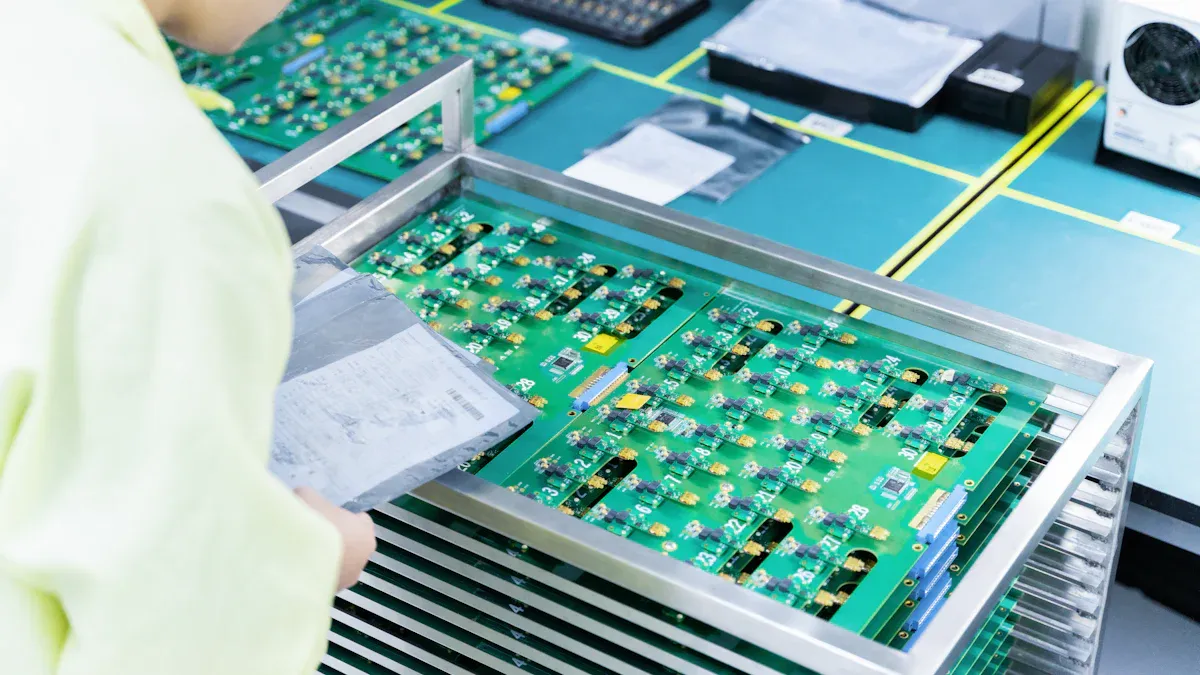
The PCB assembly (PCBA) process for AI voice hardware devices involves several critical steps. Each step requires careful attention to detail to ensure optimal performance and reliability. Here’s a breakdown of the essential components of the PCBA process.
Design Considerations
When designing PCBs for AI voice devices, you must consider several factors that impact performance. These include:
Component Placement: Meticulous placement of components is crucial. Proper alignment minimizes interference and optimizes signal integrity.
Thermal Management: Ensure adequate heat dissipation to prevent overheating of dedicated AI processing chips. Use thermal vias and heat sinks where necessary.
Signal Integrity: Maintain controlled impedance for high-speed signals. This reduces reflections and ensures reliable communication between components.
Design Aspect | Importance |
|---|---|
Component Placement | Reduces interference and enhances performance. |
Thermal Management | Prevents overheating and ensures longevity of components. |
Signal Integrity | Guarantees reliable communication and performance of the device. |
Assembly Techniques
Effective assembly techniques are vital for high-density AI voice hardware PCBs. Automated assembly methods significantly improve reliability by ensuring precise component placement. For instance, using acoustic AI solutions enhances inspection accuracy, allowing for the detection of subtle engagement sounds amidst high noise levels. This capability helps identify potential assembly defects early, preventing malfunctions in voice hardware.
Here are some recommended assembly techniques:
Use of Low-Noise Components: Select components like the Rohm BD00GX1WEFJ ultra-low-noise LDO to minimize power supply noise.
Controlled Impedance Routing: Route TDM clock signals as standalone controlled-impedance traces to reduce jitter and phase error.
Separation of Analog and RF Circuits: Maintain a minimum separation of 3 mm between analog microphone routing and RF circuits to mitigate interference.
Specification | Requirement |
|---|---|
Analog Microphone Power Supply Noise | <5 µV RMS (20 Hz–20 kHz) |
MEMS Microphone Phase-Matched Routing | <0.1 mm length mismatch in a 6-element circular array |
Audio Codec SNR | >100 dB(A) |
RF Coexistence | <−80 dBm interference from 2.4 GHz Wi-Fi into microphone band |
Testing Procedures
Testing is a critical phase in the PCBA process. It ensures that the assembled device meets performance standards. You should implement various testing methods, including:
Functional Testing: Verify that all components operate as intended. This includes checking microphone sensitivity and audio output quality.
Communication Tests: Assess the device’s ability to connect and communicate over networks. This includes testing wireless modules for connectivity and data transfer rates.
Environmental Testing: Simulate different environmental conditions to ensure the device operates reliably under various scenarios.
By following these testing procedures, you can identify and rectify issues before the product reaches the market. This proactive approach enhances the overall reliability of your AI voice hardware devices.
Quality Control in PCBA Manufacturing
Quality control in PCBA manufacturing is essential for ensuring that your AI voice hardware devices perform reliably. You must focus on several critical aspects, including low noise requirements, power isolation, and grounding and connector reliability.
Low Noise Requirements
Low noise levels are crucial in the design of AI voice hardware PCBs. High noise can interfere with audio signals, leading to poor voice recognition. To achieve low noise levels, consider the following strategies:
Place capacitors close to the power pins of chips to effectively filter high-frequency noise.
Position larger capacitors further away to address low-frequency noise.
Use isolation inductors on power lines to prevent high-frequency noise propagation.
Implementing these practices helps maintain audio clarity and enhances user experience.
Method | Description |
|---|---|
Noise Characterization | The system exhibited an integrated RMS noise of 0.47 μV in the frequency range of 0.5 to 100 Hz, aligning with IFCN standards for EEG recording. |
Parallel Connection | Two ADS1298s connected in parallel on the SPI bus allow for reduced power consumption when fewer channels are needed. |
Power Isolation
Power isolation is another critical factor in maintaining the performance of your AI voice devices. Proper isolation prevents noise from power circuits from affecting sensitive audio components. You can achieve effective power isolation by:
Using dedicated power supplies for analog and digital circuits.
Implementing isolation transformers or opto-isolators to separate power domains.
Designing PCB layouts that minimize the coupling between power and signal traces.
These measures help ensure that your device operates smoothly, even in noisy environments.
Grounding and Connector Reliability
Grounding and connector reliability significantly impact the overall performance of your AI voice hardware. Poor grounding can lead to ground loops, which introduce noise and affect audio quality. To enhance grounding and connector reliability, follow these guidelines:
Use a star grounding scheme to minimize ground loops.
Ensure connectors are securely fastened to prevent intermittent connections.
Select high-quality connectors that can withstand repeated use without degradation.
By prioritizing these aspects, you can enhance the reliability and performance of your AI voice devices, ensuring they meet user expectations and industry standards.
Best Practices for Efficient PCBA Production
Functional Testing
Functional testing is crucial for ensuring that your AI voice hardware devices operate as intended. This process involves evaluating various aspects of the device to confirm that all components function correctly. Here are some key considerations for effective functional testing:
Audio Quality: You should conduct a detailed evaluation of audio quality. This includes checking clarity, volume levels, and distortion.
Integration: Ensure that the device integrates seamlessly with software applications. This step is vital for user experience.
Real-world Conditions: Test the device under various real-world conditions. This helps you understand how environmental factors affect performance.
Performance Metrics: Focus on metrics such as word error rate and speaker-attribution accuracy. These metrics provide insights into the device’s effectiveness.
Processing Latency: Measure end-to-end processing latency. This ensures that the device responds quickly to user commands.
Testing Aspect | AI Voice Hardware Considerations | Other Smart Devices Considerations |
|---|---|---|
Audio Quality | Detailed evaluation of audio quality | General audio quality assessment |
Integration | Integration with software applications | Basic connectivity checks |
Real-world Conditions | Handling various real-world conditions affecting performance | Limited environmental testing |
Performance Metrics | Word error rate, speaker-attribution accuracy, etc. | Standard performance metrics |
Processing Latency | End-to-end processing latency | Minimal latency checks |
Communication Tests
Communication tests are essential for verifying that your AI voice devices connect and communicate effectively. You should focus on the following areas:
Network Connectivity: Test the device’s ability to connect to Wi-Fi or Bluetooth networks. This ensures that users can access features without interruptions.
Data Transfer Rates: Measure the speed at which data transfers occur. High data transfer rates enhance user experience.
Charging Tests: If your device has a rechargeable battery, conduct charging tests to ensure efficient power management.
Button Functionality Testing
Button functionality testing ensures that all physical controls on your device work correctly. This includes:
Response Time: Check how quickly the device responds when buttons are pressed. A quick response enhances user satisfaction.
Durability: Test buttons for durability by simulating repeated use. This helps identify any potential wear issues.
Feedback Mechanism: Ensure that the device provides feedback, such as a sound or light indicator, when buttons are pressed.
By implementing these best practices, you can enhance the efficiency of your PCBA production process and ensure that your AI voice hardware devices meet user expectations.
Quality PCB assembly is crucial for the performance and reliability of AI voice devices. Proper assembly secures components against shock and vibration, ensuring stable performance. Additionally, correct alignment of buttons and connectors enhances user experience. Implementing best practices in PCB assembly optimizes component placement, improving signal integrity and thermal management. This leads to more reliable devices. Rigorous testing acts as a safeguard, ensuring every unit meets specifications before shipping. By focusing on these elements, you can significantly enhance your AI voice hardware projects.
Key Factor | Description |
|---|---|
Reliability | Proper assembly secures components against shock and vibration, ensuring stable performance. |
User Experience | Correct alignment and functionality of buttons, connectors, and interfaces enhance usability. |
Final Validation | Rigorous tests ensure every unit meets specifications before shipping, acting as a quality safeguard. |
FAQ
What is PCB assembly?
PCB assembly refers to the process of connecting electronic components to a printed circuit board. This process ensures that all components function together effectively, forming the backbone of electronic devices like AI voice hardware.
Why is quality control important in PCBA?
Quality control ensures that your assembled PCBs meet performance standards. It helps identify defects early, preventing issues that could affect device reliability and user experience.
How can I improve the performance of my AI voice device?
You can enhance performance by focusing on component placement, thermal management, and signal integrity during the design phase. Rigorous testing also ensures that your device operates reliably under various conditions.
What testing methods should I use for AI voice devices?
Implement functional testing, communication tests, and environmental testing. These methods verify that all components work correctly and that the device performs well in real-world scenarios.
What are common challenges in PCB assembly for AI devices?
Common challenges include managing RF interference, ensuring low noise levels, and maintaining thermal efficiency. Addressing these issues during design and assembly can significantly improve device performance.
See Also
Designing and Assembling PCB for OpenAI-Driven AI Companions
Understanding OpenAI Hardware Trends for Custom AI PCBA Solutions
Canadian Vision Devices: Edge AI PCB Assembly Insights